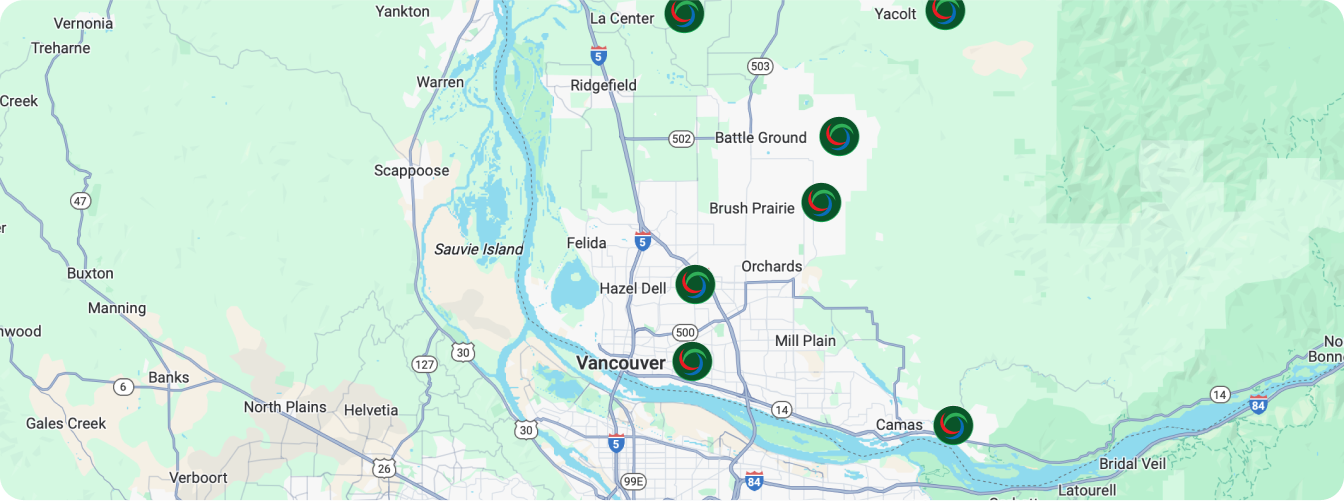
Mini Split Heating Repair in Ridgefield, WA
Mini split heating repair in Ridgefield, WA provides a comprehensive overview of common system issues, from heat loss and inverter faults to refrigerant leaks and electrical problems. It outlines a reliable diagnostic workflow, typical repair options, and parts replacement strategies, with emphasis on OEM components and cost considerations.
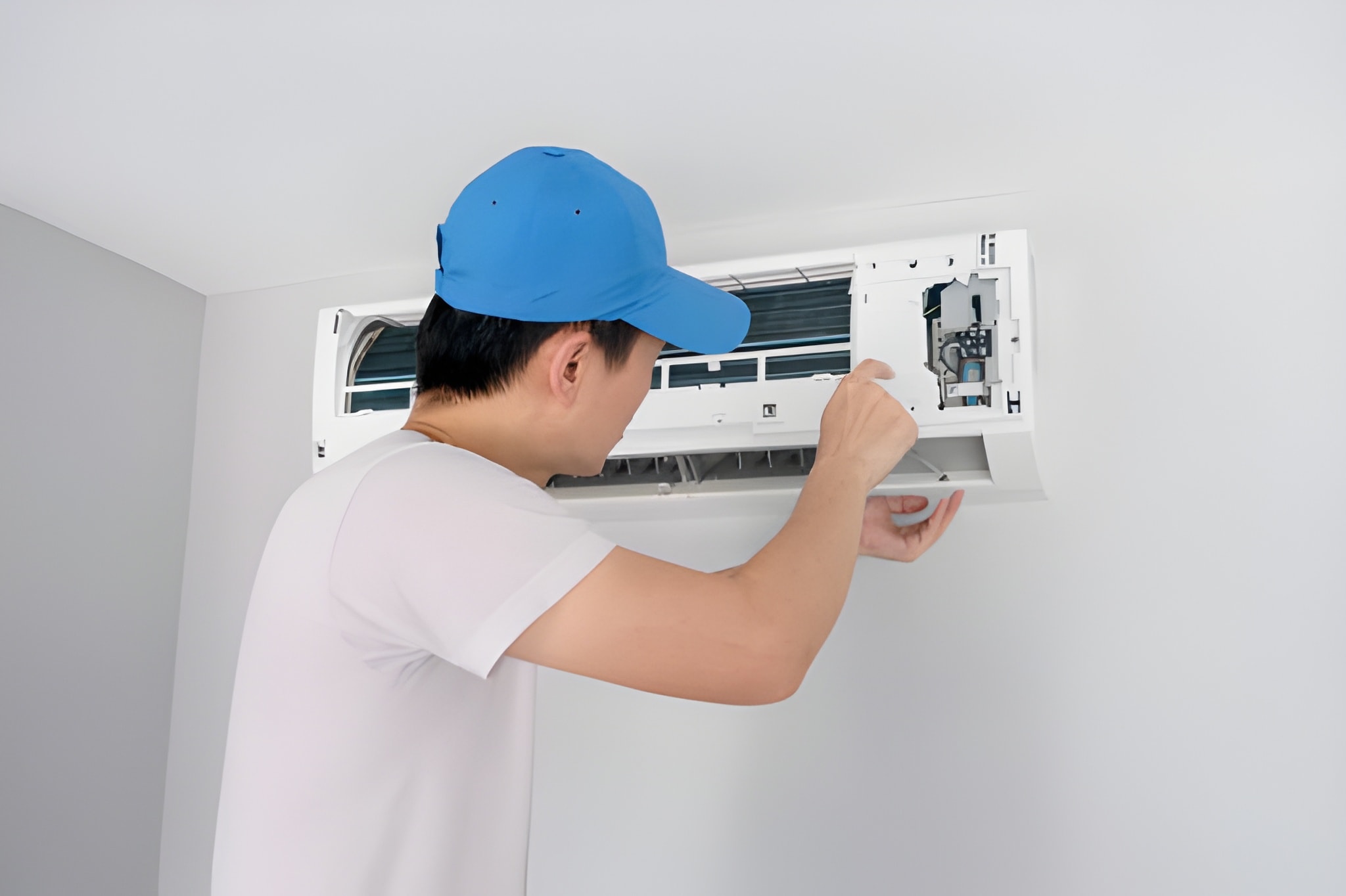
Mini Split Heating Repair in Ridgefield, WA
Mini-split heating repair in Ridgefield, WA protects your home comfort during the damp, cool months typical of the Pacific Northwest. Ductless systems are efficient and flexible for added heat where you need it, but when a head unit loses heat, the compressor struggles, or controls fail, those benefits disappear quickly.
Common mini split heating issues in Ridgefield, WA
- Loss of heat or weak heating output: Often caused by low refrigerant, blocked airflow, failed compressors, or thermostat settings. In Ridgefield winters, repeated on/off cycles can expose underlying faults.
- Compressor or inverter faults: Modern ductless systems use inverter-driven compressors. Faulty inverters, burned circuits, or worn compressors produce error codes, intermittent heat, or a unit that will not start.
- Refrigerant leaks: Corrosion, small punctures in line sets, or failed fittings cause slow leaks. Symptoms include reduced heat, frosting on lines, and hissing sounds.
- Electrical failures: Tripped breakers, bad contactors, loose wiring, and failed control boards create intermittent operation or complete shutdowns.
- Thermostat and control issues: Faulty remote sensors, misconfigured modes, or failing PCB boards lead to incorrect temperature control or communication errors between indoor and outdoor units.
- Airflow and freezing problems: Dirty filters, blocked indoor coil condensate drains, or restricted outdoor airflow from leaves and debris can cause indoor units to freeze or short-cycle.
- Unusual noise or vibration: Worn fan motors, loose mounting, or failing compressors generate rattles, bangs, or grinding sounds.
Professional diagnostic process for ductless heating repair
A reliable repair starts with a systematic diagnostic approach:
- Customer history and symptoms: Confirm when the problem began, any recent events, and error codes from the remote or indoor display.
- Visual and electrical inspection: Check breakers, disconnects, wiring harnesses, and control board LEDs for visible faults.
- Airflow and filter check: Inspect and clean filters, fan operation, and indoor/outdoor coil condition.
- Refrigerant and pressure testing: Measure operating pressures and temperatures to detect low charge or abnormal readings.
- Compressor and inverter testing: Use amp draw, voltage, and diagnostic codes to evaluate the compressor and inverter performance.
- Leak detection: Electronic leak detectors, UV dye, and pressure testing isolate refrigerant losses.
- Functional test and report: Run the system under load, verify repairs, and provide a clear diagnostic report with recommended repairs.
Typical repair solutions and parts replacement
Common repairs performed on mini-split heating systems include:
- Refrigerant leak repair and recharge, including line repair and evacuation
- Inverter board replacement or reprogramming
- Compressor replacement when mechanically failed
- Fan motor and capacitor replacement for indoor or outdoor fans
- Indoor unit PCB or sensor replacement for communication and temperature accuracy
- Expansion device or reversing valve service for heat mode failures
- Condensate drain cleaning and condensate pump replacement Parts are often sourced as OEM components from the unit manufacturer to ensure compatibility and long-term reliability. In Ridgefield homes where older units are common, technicians will evaluate whether repair or replacement is the more cost-effective option.
Refrigerant handling and leak detection
Refrigerant handling follows regulatory requirements and safe industry practice. Technicians perform a leak audit before charging refrigerant. Topping off without repairing a leak is a temporary fix that can mask a larger problem and is not recommended. Detection methods include electronic sensors, nitrogen pressure testing, and UV dye tracing. For systems using phased-out refrigerants, repairs may also involve retrofitting or recommending replacement options that use modern, compliant refrigerants.
Timeline and pricing expectations
- Diagnostic visit: Expect a focused inspection and system testing, typically completed within one to two hours. A diagnostic fee is common and may be applied toward repairs if approved.
- Minor repairs: Cleaning, filter replacement, or small electrical fixes are often completed same day.
- Moderate repairs: Refrigerant leak repair or component swaps can take a few hours to a day depending on parts availability.
- Major repairs or compressor replacement: These can require ordering parts and scheduling installation over several days. Pricing varies by problem complexity, parts needed, refrigerant type, and system age. Warranty coverage and manufacturer parts support will reduce out-of-pocket expense when applicable. Final estimates should be provided in writing after the diagnostic inspection.
Warranty and manufacturer-partner information
Many mini-split systems carry factory warranties on compressors, parts, and sometimes labor. Working with manufacturer-approved parts preserves warranty coverage. If your system remains under warranty, technicians will document failures and coordinate with the manufacturer for approved parts and necessary paperwork. For out-of-warranty units, high-quality OEM parts are recommended to extend service life.
Emergency and priority service options
During cold snaps in Ridgefield, priority or emergency service options help restore heat quickly. Emergency responses typically include temporary safe operation measures, priority diagnostics, and expedited parts ordering for critical components. Safety protocols include isolating electrical risks, verifying safe refrigerant pressures, and providing documented next steps to restore full heating functionality.
Maintenance tips to prevent future breakdowns
- Clean or replace filters monthly during heavy use to maintain airflow and efficiency.
- Keep the outdoor unit clear of leaves, brush, and snow to prevent airflow restriction and freezing.
- Schedule an annual ductless heating tune-up before winter: electrical checks, refrigerant pressure, coil cleaning, and control calibration.
- Inspect line set insulation and condensate drains for damage or blockages.
- Use advanced thermostat scheduling to avoid unnecessary short-cycling in cold weather.
Frequently asked questions
Q: How can I tell if my mini-split compressor is failing?\
A: Common signs are loud knocking, high amp draw, repeated hard starts, or persistent error codes indicating compressor or inverter faults. A diagnostic test confirms mechanical failure.
Q: Can you just add refrigerant to restore heat?
A: Adding refrigerant without repairing a leak is temporary. Proper repair includes leak detection and fixing the source, followed by evacuation and correct recharge to manufacturer specifications.
Q: Is compressor replacement worth it on an older unit?
A: It depends on unit age, overall condition, and efficiency. Diagnostic testing and a written estimate help weigh repair cost versus replacement with a modern, more efficient system.
Q: Will a mini-split freeze up in Ridgefield winters?
A: Freezing is possible with low refrigerant, restricted airflow, or faulty defrost cycles. Proper maintenance and timely repairs reduce the risk of freeze events.
Q: How often should I schedule maintenance?
A: Annual professional tune-up is recommended, with filter checks monthly during heavy use.
How estimates and scheduling are typically handled
A written, inspection-based estimate gives clear options: repair scope, recommended parts, warranty information, and timeline. The diagnostic visit documents findings and produces a transparent estimate so homeowners in Ridgefield can make an informed decision about repair versus replacement. Financing and maintenance plan options may be available to support larger repairs or ongoing protection.
This information is aimed at homeowners and light commercial clients in Ridgefield, WA who need dependable, expert mini-split heating repair guidance to restore comfort and prevent future issues.