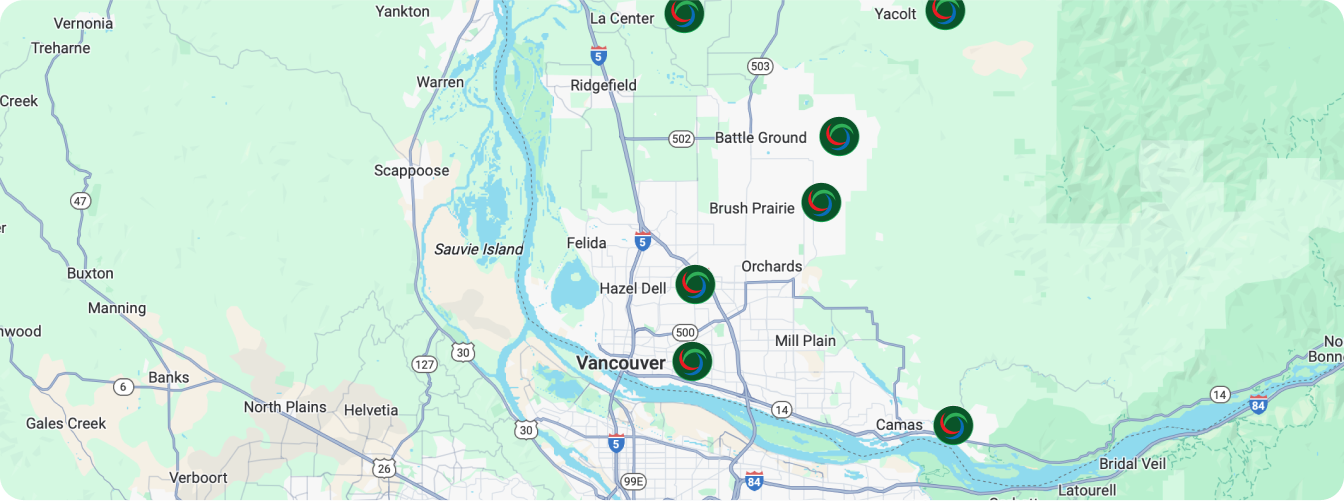
HRV Systems in Brush Prairie, WA
Local considerations make quality service important: Brush Prairie’s cool, damp winters and periodic wildfire smoke events require reliable ventilation strategies and timely maintenance. Qualified technicians in the Brush Prairie area understand local installation best practices-correct intake placement, moisture management, and seasonal maintenance schedules-to ensure your HRV maintains IAQ and energy efficiency year round. Service options typically include sizing consultations, installation, seasonal tune-ups, and repairs tailored to the specific needs of Brush Prairie homes.

Energy-Efficient HRV Systems for Indoor Air Quality in Brush Prairie, WA
Heat recovery ventilation (HRV) systems are a proven way to improve indoor air quality while minimizing energy loss from ventilation. In Brush Prairie homes, where cool, damp winters and occasional wildfire smoke in late summer create unique indoor air challenges, an IAQ HRV system provides controlled fresh-air supply, balanced humidity, and sensible heat recovery to keep homes healthier and more comfortable without wasted energy.
What is an IAQ HRV system and how it works
An HRV exchanges stale indoor air with fresh outdoor air while transferring heat from the outgoing air to the incoming air. Unlike exhaust-only ventilation, an HRV:
- Brings in filtered outdoor air continuously or on a schedule
- Removes excess moisture and pollutants from kitchens, bathrooms, and occupied spaces
- Transfers sensible heat through a recovery core, reducing heating demand in cold months
For homeowners focused on indoor air quality (IAQ), an HRV is specifically designed to address ventilation needs while keeping energy use low.
Common HRV issues in Brush Prairie homes
Understanding typical problems helps you choose the right system and avoid surprises:
- Clogged filters or intake screens from seasonal pollen, nearby construction dust, or wildfire ash
- Imbalanced airflow after ductwork changes or home renovations
- Excess humidity or condensation when systems are undersized for the home or not properly controlled
- Noise complaints from improper mounting or airflow speeds
- Poor maintenance leading to core contamination and reduced heat recovery efficiency
Types of HRV service and what to expect
- Sizing and system selection: matching HRV capacity to home volume and occupant ventilation rates
- Installation and integration: ductwork, controls, and balancing to work with existing HVAC or as a stand-alone solution
- Commissioning and airflow balancing: measuring supply and exhaust flows, adjusting fans and dampers
- Seasonal maintenance and filter/core cleaning: scheduled service to maintain performance
- Repairs and parts replacement: fans, motors, controls, and recovery cores
Sizing guidelines - right-sizing an HRV for Brush Prairie homes
Proper sizing is crucial for IAQ and humidity control:
- Base ventilation on home volume and occupancy: typical guideline is 0.35 air changes per hour or ASHRAE-recommended per-person ventilation rates
- For example, a 2,000 square foot home with 8-foot ceilings has approximately 16,000 cubic feet; that helps determine capacity in CFM
- Consider local climate: Brush Prairie’s cooler, wetter climate leans toward conservative airflow to avoid over-drying in winter and under-ventilating in shoulder seasons
- Account for open-concept layouts, added bedrooms, or finished basements which increase ventilation needs
- Oversizing increases noise and energy use; undersizing leads to inadequate ventilation and humidity issues
A professional load and ventilation calculation ensures the HRV you install meets IAQ goals without excess energy use.
Installation basics - what good installation includes
A dependable installation focuses on airflow, placement, and controls:
- Location: place HRV unit in conditioned or semi-conditioned space (attic, utility room) with access for maintenance
- Ducting: insulated, airtight ducts with short runs to supply and exhaust points reduce pressure losses
- Balanced intake and exhaust: commissioning with an airflow meter ensures the system maintains neutral pressure in the house
- Control integration: timers, humidity sensors, or demand controls optimize runtime for indoor conditions and outdoor air quality events
- Outdoor intakes: positioned away from pollutant sources and elevated to avoid flooding, with insect/rodent screens for Brush Prairie conditions
Benefits for indoor air quality and humidity balance
- Continuous fresh air reduces VOCs, odors, and concentrations of indoor pollutants
- Balanced ventilation minimizes pressure-driven infiltration of unfiltered outdoor air and moisture
- Heat recovery reduces the heating load during cold months while maintaining necessary ventilation
- Helps manage indoor humidity: an HRV prevents excess moisture accumulation that can encourage mold growth in Brush Prairie’s moist climate
- Improves comfort and perceived air freshness without the energy penalty of full-time, unconditioned ventilation
Maintenance tasks homeowners should expect
Routine care keeps an HRV performing efficiently:
- Replace or clean filters every 3 to 6 months depending on local air quality and system use
- Clean or inspect the recovery core annually; some cores are washable, others require replacement intervals
- Inspect and clear outdoor intakes and exhausts of debris, leaves, or ash after wildfire events
- Check motor bearings and fan operation annually; unusual noise or vibration may indicate wear
- Schedule professional balancing and inspection every 2 to 3 years, or after major HVAC changes
Common questions: noise and energy use
- Will an HRV be noisy? Properly sized HRVs mounted on vibration-isolating pads and ducted correctly run quietly. Noise is most noticeable at high fan speeds; reducing speed during low-occupancy periods cuts noise and energy use.
- Does an HRV increase energy bills? HRVs use electricity to run fans, but they reduce heating (and cooling in some climates) by reclaiming heat from exhausted air. In Brush Prairie, the heat savings during cooler months typically offset the electrical consumption of the unit.
- How does an HRV compare to an ERV? HRVs focus on heat transfer and are preferred in colder, wetter climates like Brush Prairie. ERVs also transfer moisture and may be chosen when humidity transfer is desired.
Warranty and expected lifespan
- Most manufacturer warranties cover major components such as the heat recovery core and fan assemblies; typical warranty lengths vary by manufacturer from 2 to 10 years for parts
- Labor warranties depend on the installer and are separate from manufacturer coverage; verify what is included before installation
- Expected lifespan for a well-maintained HRV is generally 10 to 15 years; regular maintenance, proper installation, and timely filter/core care extend service life
An IAQ HRV system is a strategic investment for Brush Prairie homeowners who want continuous fresh air, better humidity control, and reduced heating demand. Correct sizing, professional installation, and consistent maintenance are essential to realize the energy and health benefits. For homes in this region, an HRV addresses the dual needs of protecting indoor air during wet winters and reducing infiltration of outdoor particulates during smoke events, making it a practical component of a comprehensive indoor air quality strategy.