
Mini Split AC Repair in Ridgefield, WA
Mini split AC repair in Ridgefield, WA often requires a nuanced approach because of local humidity and moisture exposure. Professional diagnostics, timely repairs, and routine maintenance tailored to regional conditions will keep your ductless system reliable and efficient for years.
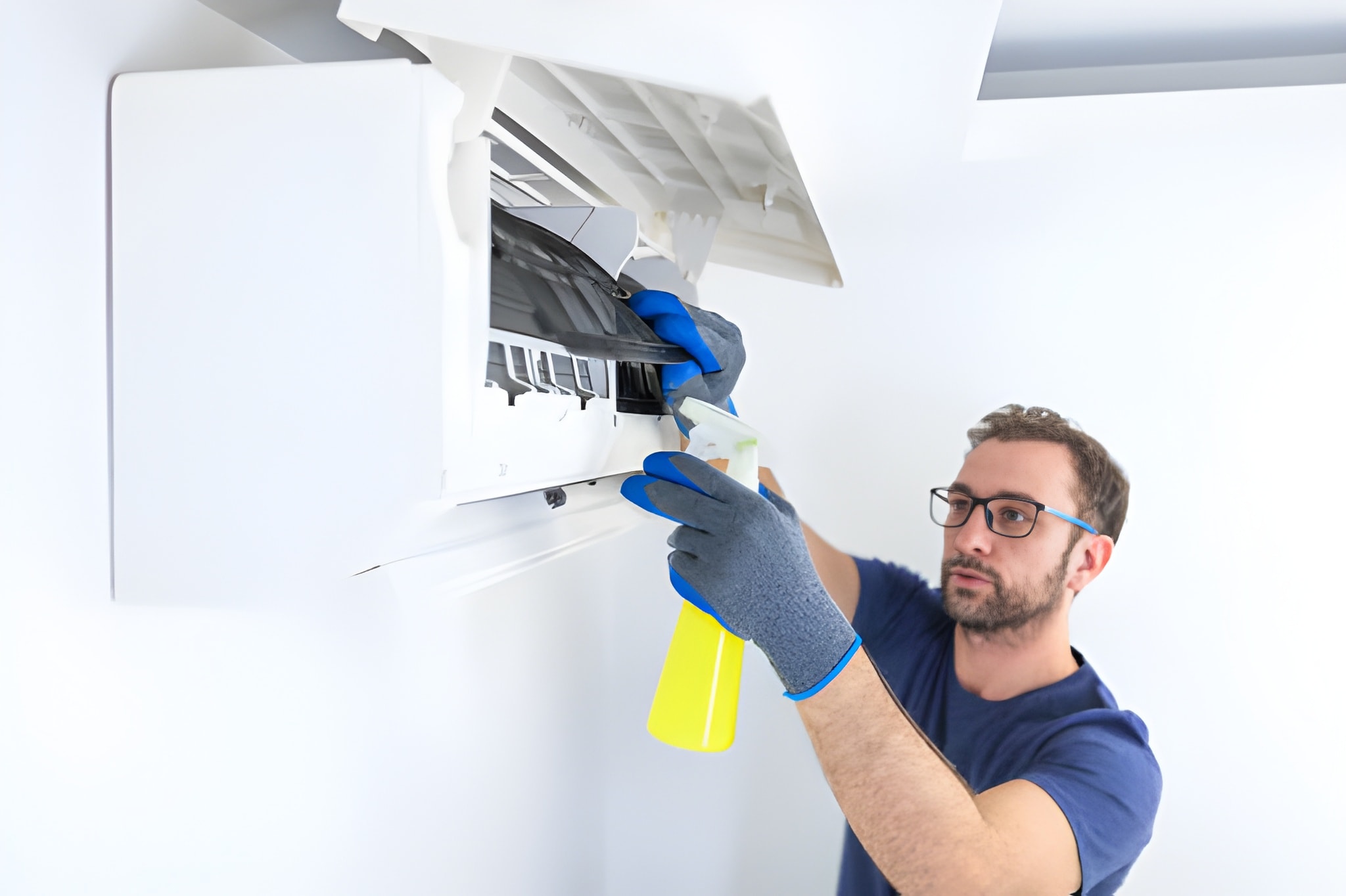
Mini Split AC Repair in Ridgefield, WA
Keeping your mini split (ductless) system running reliably is essential for comfort in Ridgefield homes. Whether your system cools bedrooms, additions, or an entire open plan living area, a timely, professional repair stops small problems from becoming costly failures. This page explains common ductless issues in Ridgefield, WA, how technicians diagnose them, typical repair approaches, parts and warranty considerations, and maintenance recommendations tailored to local conditions.
Why timely mini split repair matters in Ridgefield, WA
Ridgefield experiences mild, wet winters and warm, occasionally humid summers. That climate affects mini split systems in specific ways:
- Higher humidity increases condensate load and raises the risk of clogged drains and microbial growth on indoor coils.
- Frequent rain and moisture can accelerate corrosion on outdoor units and electrical connections.
- Summer heat spikes increase compressor workload, making prompt repair essential to avoid system burnout.
Addressing faults quickly restores comfort, improves energy efficiency, and extends the life of the equipment.
Common mini split issues in Ridgefield homes
Here are the most frequent problems technicians see for mini split AC repair in Ridgefield, WA:
- Inadequate cooling or heating: Weak airflow or poor temperature control.
- Refrigerant leaks: Low refrigerant reduces cooling capacity and can damage the compressor.
- Noisy operation: Rattling, humming, or high-pitched sounds from indoor or outdoor units.
- Thermostat or control problems: Remote or wall controller not communicating or inaccurate temperature sensing.
- Electrical faults: Tripped breakers, bad capacitors, or failing contactors.
- Frozen indoor coils: Often caused by airflow restriction or low refrigerant.
- Clogged condensate drain: Leads to water leaks, overflow, and indoor moisture problems.
- Outdoor unit corrosion: Moisture exposure can weaken fins, coils, and electrical enclosures.
Diagnostic process for ductless AC repair
A professional diagnostic ensures the right repair and avoids unnecessary parts replacement. Typical diagnostic steps include:
- Visual inspection of indoor and outdoor units for physical damage, debris, or corrosion.
- Airflow assessment: Check filters, blower wheel, and ductless airflow paths for obstructions.
- Electrical testing: Measure voltage, capacitors, contactors, and control board operation.
- Refrigerant pressure check: Read high and low side pressures to detect leaks or undercharge.
- Coil inspection: Look for ice, dirt buildup, or signs of oil that indicate leaks.
- Control and sensor verification: Test thermostats, remotes, sensors, and communication wiring.
- Condensate drainage check: Confirm drain lines are clear and traps or pumps are functioning.
Technicians will document findings and recommend the most cost effective repair path based on system age and condition.
Typical repair approaches and solutions
Repairs focus on restoring safe, efficient operation while preserving system life. Common repair actions include:
- Filter and coil cleaning to restore airflow and heat transfer.
- Clearing or replacing condensate drains and pumps to stop leaks and prevent microbial growth.
- Refrigerant leak location and repair, followed by proper evacuation and recharge to manufacturer specifications. Note that refrigerant handling requires certified technicians.
- Replacing faulty electrical components such as capacitors, contactors, relays, or control boards.
- Fan motor or blower repairs for noisy or weak airflow.
- Compressor repair or replacement when warranted, with evaluation of system life and refrigerant type.
- Sensor and thermostat replacement to correct control and comfort issues.
- Line set insulation replacement to prevent energy loss and condensation.When repairs involve refrigerant or major components, technicians will consider equipment age and potential cost benefits of replacement versus repair.
Parts availability and warranty considerations
- OEM parts are typically available for most modern mini split brands. Using manufacturer parts preserves system performance and warranty coverage.
- Aftermarket parts can be an option for older systems but may affect performance or manufacturer warranty.
- Manufacturer warranty usually covers specific components for a set period. Check system documentation for compressor and parts warranty lengths.
- Labor warranty varies by service provider; many reputable technicians offer limited labor warranties for repairs they perform.
- For older systems using phased-out refrigerants, parts and refrigerant availability can be limited and more expensive. Technicians will advise on long term serviceability.
Practical maintenance recommendations for Ridgefield homeowners
Regular maintenance reduces repair needs and keeps systems running efficiently in Ridgefield’s climate:
- Clean or replace filters every 1 to 3 months depending on use.
- Schedule an annual tune-up before the cooling season that includes coil cleaning, refrigerant check, electrical inspection, and condensate drain service.
- Keep the outdoor unit free of debris, vegetation, and standing water to reduce corrosion risk.
- Insulate line sets and check insulation yearly to prevent condensation and energy loss.
- If your system is in a high-humidity room, inspect drains more frequently and consider an antimicrobial coil treatment during service.
- Monitor for unusual sounds, reduced airflow, or rising energy bills and arrange a diagnostic promptly to prevent more costly failures.
Benefits of professional mini split repair
- Restores designed comfort levels and consistent temperature control.
- Improves energy efficiency and reduces operating costs.
- Prevents secondary damages like compressor failure, water damage, and mold growth.
- Preserves equipment warranties when OEM parts and certified procedures are used.
- Provides clear diagnostic documentation to help decide between repair and replacement.