Mini Split Heating Repair in Orchards, WA
Orchards and greater Clark County experience long heating seasons compared with hotter regions. Mini-splits deliver efficient, zoned heat with quick response times-helpful for rooms that need extra warmth without heating an entire house. However, Pacific Northwest humidity, falling leaves, and close tree cover can accelerate outdoor unit wear and encourage condensate and refrigerant-line issues. Timely repairs prevent higher energy use and extended comfort loss.
Mini Split Heating Repair in Orchards, WA
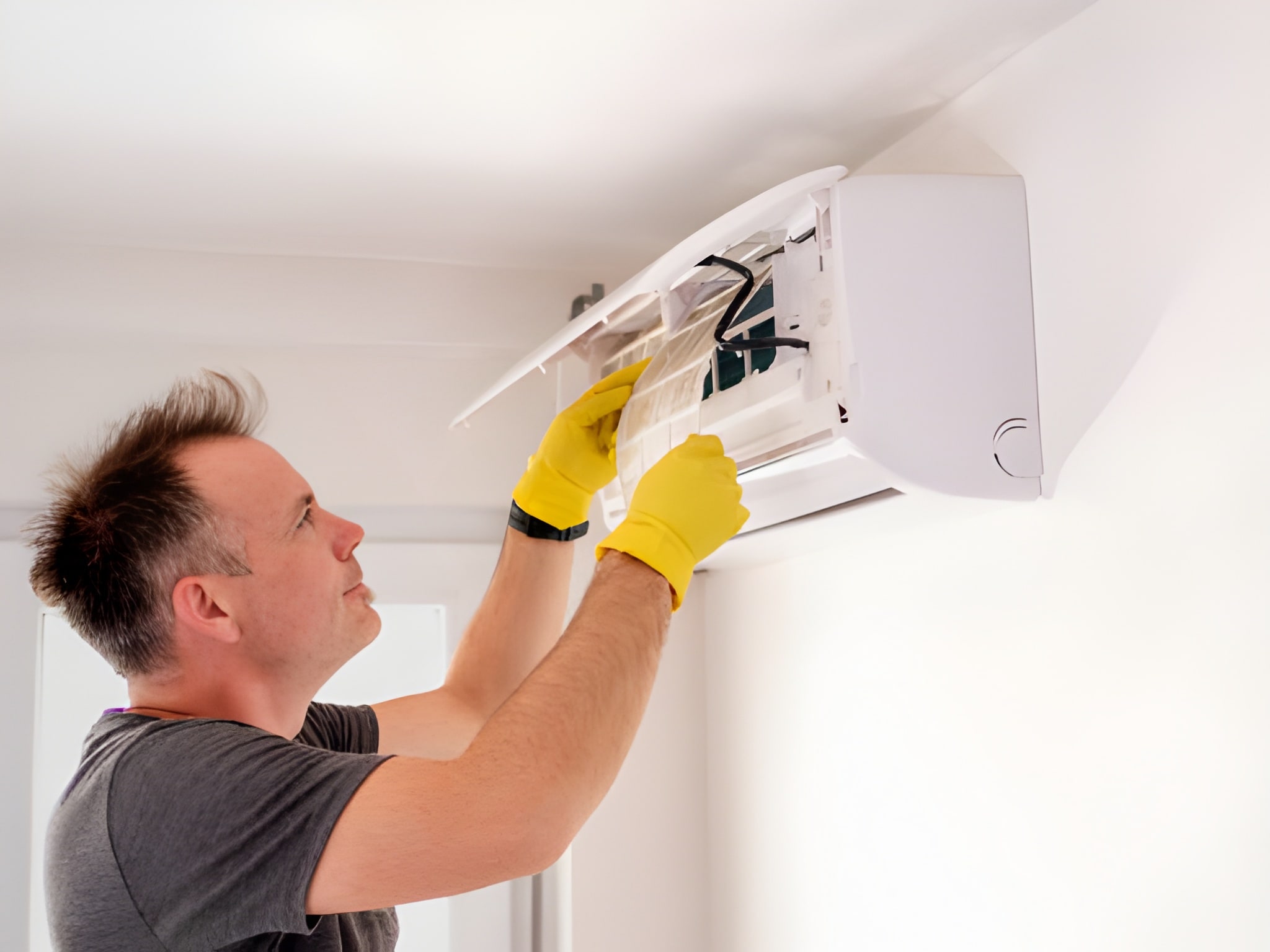
Mini-split (ductless) heating systems are a common and efficient choice for Orchards, WA homes-especially with the region’s cool, damp winters and older homes that lack ductwork. When a ductless indoor unit struggles to warm a room, makes noise, or cycles incorrectly, it affects comfort and energy bills quickly.
Common mini-split heating issues in Orchards, WA
- Weak or inconsistent heating: Room temperatures are lower than setpoint or heat takes too long to arrive.
- Refrigerant leaks: Visible oil residue, frosting on lines, or low system pressures.
- Noisy operation: Rattling panels, grinding or humming compressors, or squealing fan motors.
- Faulty compressors or fan motors: Unit fails to start, trips breaker, or runs but delivers little heat.
- Control and thermostat problems: Remote or wall controller not responding, erratic cycling, or error codes.
- Drain and defrost problems: Water backing up indoors or frequent, extended defrost cycles that reduce heat output.
Typical diagnostic steps
- Visual and safety check: Inspect both indoor and outdoor units for obvious damage, loose panels, burned wiring, and condensate issues.
- Power and control verification: Confirm voltage, breakers, fuses, and communication between indoor heads and the outdoor compressor.
- Airflow measurement: Evaluate indoor blower operation and filter condition, measure supply and return temps to find temperature split.
- Refrigerant and pressure testing: Attach gauges to check high- and low-side pressures and identify undercharge or overpressure conditions.
- Leak detection: Use electronic leak detectors, UV dye, or soap testing to locate refrigerant loss.
- Electrical component testing: Check capacitors, contactors, relays, and motor amperage to isolate failed parts.
- Functional cycles and error codes: Run heat and defrost cycles, read error codes on control boards, and log intermittent faults.
These diagnostics typically take one to two hours for a single indoor head system and longer for multi-zone setups.
The repair process - what to expect
- System inspection and estimate: A clear assessment and written repair scope are prepared after diagnostics. Estimates outline recommended repairs and replacement parts before any work begins.
- Electrical and refrigerant work: Technicians correct wiring faults, replace faulty capacitors or contactors, and, if needed, recover refrigerant using EPA-compliant equipment. Leak repairs are completed before recharging the system.
- Component replacement or repair: Common repairs include replacing reversing valves, fan motors, compressors, PCB control boards, expansion devices, and thermostats. Wherever possible, technicians use OEM-equivalent parts to maintain performance.
- Evacuation and recharge: After repairs, systems are evacuated to remove moisture, vacuum-tested for integrity, then charged to manufacturer-specified refrigerant levels. Newer systems may use R32 or R410A-proper handling and certification are required.
- Post-repair performance testing: Final checks confirm correct pressures, temperature rise, airflow, noise levels, and stable operation through a heat/defrost cycle. A service report documents actions taken and any warranty information.
Brands and parts commonly serviced
- Major manufacturers: Mitsubishi, Fujitsu, Daikin, LG, Panasonic, Gree, Senville, and others.
- Frequently replaced parts: Compressors, fan motors, indoor blower assemblies, printed circuit boards (PCBs), reversing valves, expansion valves, pressure switches, thermostats/controllers, condensate pumps, filters, and line-set insulation.
Technicians experienced with these brands understand unique controls, refrigerant specifications, and wiring conventions.
Estimated timelines (typical ranges)
- Diagnostic visit: 1 to 2 hours for single-head systems; 2 to 4 hours for multi-zone systems.
- Minor repairs (fan motor, capacitor, thermostat): Often same-day or next business day, 1 to 4 hours on-site.
- Refrigerant leak repair and recharge: Varies by leak location; small leaks can be fixed in a few hours, extensive line or coil repairs may require multiple visits.
- Compressor replacement: Usually 4 to 8 hours and may require ordering a replacement compressor or condensing unit depending on model availability.
Technicians provide transparent estimates and outline parts lead times so you know how long repairs will take.
Warranty and service-guarantee information
Manufacturer warranties typically cover components for defined periods (parts warranties vary by brand and model). Common practice is to honor active manufacturer warranties and provide a workmanship guarantee on repairs for a specified period. For refrigerant work, EPA-compliant recovery and documentation are standard. Service reports should list any remaining manufacturer warranty and the labor warranty applied to repair work.
Maintenance tips to prevent future breakdowns
- Clean or replace indoor filters monthly during the heating season to maintain airflow and efficiency.
- Keep the outdoor condenser clear of leaves, debris, and overgrown vegetation; allow at least 2–3 feet of clearance for airflow.
- Schedule an annual ductless tune-up before the cold season: cleaning coils, verifying refrigerant charge, inspecting electrical components, and testing controls.
- Check drain lines and pans for clogs and standing water to avoid indoor leaks and microbial growth.
- Use the system’s recommended fan and temperature settings; avoid extreme setpoint swings that cause excessive cycling.
- Insulate exposed refrigerant lines and replace damaged line-set insulation to prevent efficiency loss in orchards and shaded yards where lines cool faster.
Orchards, WA homes benefit from ductless heating’s efficiency and zoning, but the local climate and tree cover increase the importance of routine maintenance and prompt repairs. Addressing small issues early-low refrigerant, odd noises, or inconsistent output-prevents more costly failures like compressor burnout. Proper diagnosis, OEM-quality parts, and documented workmanship protect both comfort and equipment longevity.
Scheduling and service logistics typically accommodate residents’ availability, and technicians come prepared to minimize disruption and complete common repairs on the first visit when possible. Detailed service reports and clear estimates ensure transparency about the work performed and any warranties that apply.