Mini Split AC Repair in Orchards, WA
Timely diagnostics and repairs restore comfort, improve efficiency, and prevent more costly failures down the line. Proper maintenance tailored to Orchards, WA climate conditions helps keep ductless mini splits running reliably year after year.
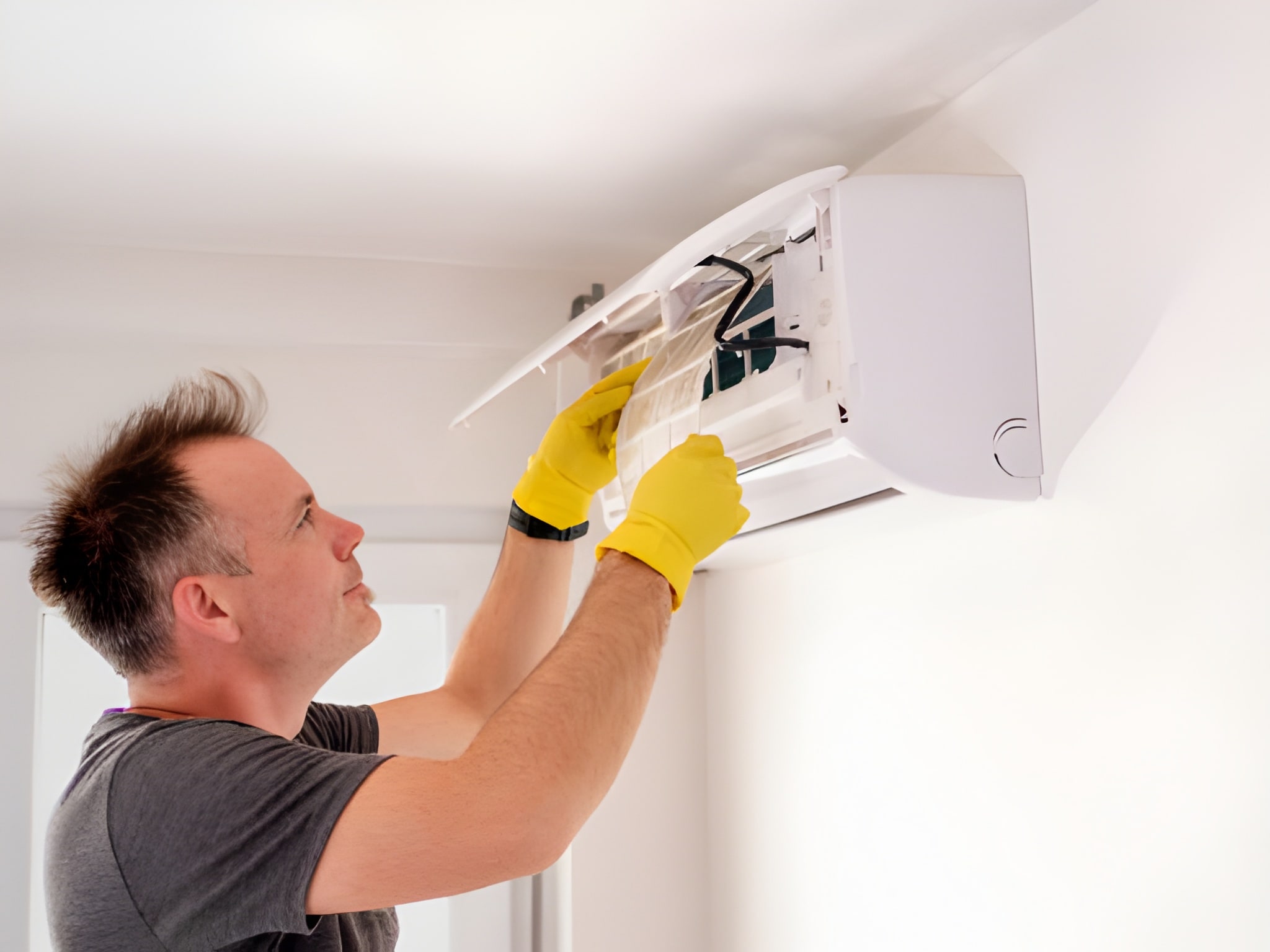
Mini Split AC Repair in Orchards, WA
Ductless mini split systems are a popular choice in Orchards, WA homes because they deliver efficient zoned cooling and heat without ductwork. When a mini split starts underperforming, making noise, or cycling erratically, it quickly affects comfort and energy costs. This page explains common mini split problems in Orchards, WA, how diagnostics and repairs are performed, what parts and warranties typically cover, expected turnaround times, and clear guidance on when repair makes sense versus replacement.
Common mini split issues in Orchards, WA
Many problems are common across the Pacific Northwest, but local factors like seasonal pollen, coastal humidity, and occasional summer heat spikes in Orchards can accelerate certain failures.
- Refrigerant leaks - Low refrigerant causes poor cooling, ice on the evaporator coil, and longer run times. Leaks are often in line sets, brazed joints, or service valves.
- Faulty sensors - A bad room or coil sensor leads to short cycling, inaccurate temperature readings, or the unit refusing to reach setpoint.
- Compressor failure - Symptoms include loud startup, no cooling from the outdoor unit, or the outdoor fan not running. Compressors can fail from electrical issues, lack of lubrication, or prolonged bolt-on stress.
- Fan or blower motor problems - Indoor or outdoor fan motors may seize, make grinding noises, or run intermittently due to bearings, capacitors, or control faults.
- Drain and condensate issues - Clogged drain lines cause water leaks or indoor unit shutdowns. High humidity in spring and summer increases condensate volume.
- Electrical and control board faults - Burnt relays, damaged PCBs, or poor connections produce error codes, intermittent operation, or complete failures.
- Airflow restrictions - Dirty filters, obstructed indoor units, or collapsed insulation on line sets reduce airflow and system efficiency.
How diagnostics for ductless mini split repair are performed
Accurate diagnostics are the foundation of an effective repair. Technicians follow a methodical approach to identify the root cause rather than treating symptoms.
- Visual and code inspection - Check both indoor and outdoor units for visible damage, debris, and error codes on the controller or PCB.
- Electrical checks - Test voltage, current, capacitors, contactors, and control signals to the compressor and fans.
- Refrigerant evaluation - Measure suction and discharge pressures and temperature differentials. Use electronic leak detectors or UV dye if a leak is suspected.
- Airflow and coil checks - Inspect and measure airflow through indoor heads, and check evaporator and condenser coil condition for ice or dirt.
- Sensor and control verification - Confirm sensor accuracy, thermostat communication, and remote control operation.
- System performance test - Run the system through modes (cool, heat, fan) to observe behavior under load and confirm repairs.
Local conditions in Orchards - tree pollen, yard debris, and wet winters - are factored into the diagnosis since they influence coil cleanliness, outdoor unit exposure, and drain line performance.
Typical repair procedures and parts
Repair steps are tailored to the diagnosis. Common procedures include:
- Refrigerant leak repair and recharge - Locate and repair the leak (braze or replace fittings), evacuate the system, vacuum test, and recharge to manufacturer specifications.
- Compressor or outdoor unit repair - Replace failed compressors or outdoor assemblies when necessary; often involves recovering refrigerant and evacuating to industry standards.
- Fan motor and capacitor replacement - Swap out indoor blower motors, outdoor fan motors, or capacitors that fail electrical tests.
- Sensor and PCB replacement - Replace malfunctioning temperature sensors or circuit boards when calibration or electrical faults cannot be corrected.
- Drain clearing and condensate pan repairs - Flush or replace clogged drain lines and replace damaged condensate pans to stop indoor leaks.
- Line set and valve repair - Repair or replace damaged refrigerant lines and service valves, including insulation replacement to prevent efficiency loss.
Parts are typically sourced as OEM components where possible to preserve efficiency and compatibility. Manufacturer warranties on parts vary by brand and component: compressor and sealed system warranties can range from several years to longer multi-year coverage on newer systems, while electronic boards or motors commonly carry shorter warranties. Labor warranties are commonly shorter than parts warranties and vary by service provider. Always verify the unit model and serial number to determine remaining manufacturer coverage.
Typical turnaround times for mini split AC repair in Orchards, WA
- Initial diagnostic visit - Often completed same-day or within 24-48 hours depending on technician availability.
- Minor repairs (sensors, capacitors, filters, drain cleaning) - Frequently completed within a single visit, typically 1-4 hours.
- Refrigerant leak repairs - Can require 1-2 days when brazing, leak testing, and holding vacuum are needed.
- Compressor/outdoor unit replacements - Usually completed in 1-2 days depending on parts availability and permit requirements.
- Major overhauls or multi-zone replacements - May take several days to schedule and complete if multiple heads or custom line work is involved.
Turnaround is influenced by part availability, access to the outdoor unit, and seasonal demand during spring/summer.
Repair vs replacement - practical guidance
Deciding between repairing a mini split and replacing it depends on system age, cost of repairs, and long-term performance.
Consider repair when:
- The unit is under 8-10 years old and otherwise in good condition.
- The issue is a single component failure (sensor, fan, PCB) with a repair cost significantly lower than replacement.
- Manufacturer warranty still covers major components.
Consider replacement when:
- The system is older than 12-15 years with repeated failures.
- The repair cost approaches 50% or more of a new system.
- The unit requires repeated refrigerant leak repairs or a compressor replacement on an aging system.
- The system uses phased-out refrigerant (for example older R22 systems) that is expensive to service.
- You want improved efficiency, quieter operation, or added zones for better comfort and energy savings.
In Orchards, where many homes retrofit ductless systems for efficiency and supplemental heating, replacement may make sense when upgrading to higher-SEER heat pump models that better handle occasional summer heat and mild winters.
Maintenance to prevent future issues
Regular maintenance extends service life and reduces emergency repairs:
- Clean or replace indoor filters monthly during heavy use seasons.
- Keep outdoor units free of leaves, grass, and debris; trim back vegetation to maintain airflow.
- Flush drain lines and inspect condensate pans annually.
- Schedule an annual tune-up before peak cooling season to verify refrigerant charge, tighten electrical connections, and clean coils.
- Monitor for unusual noises, odors, or error codes and address them early.