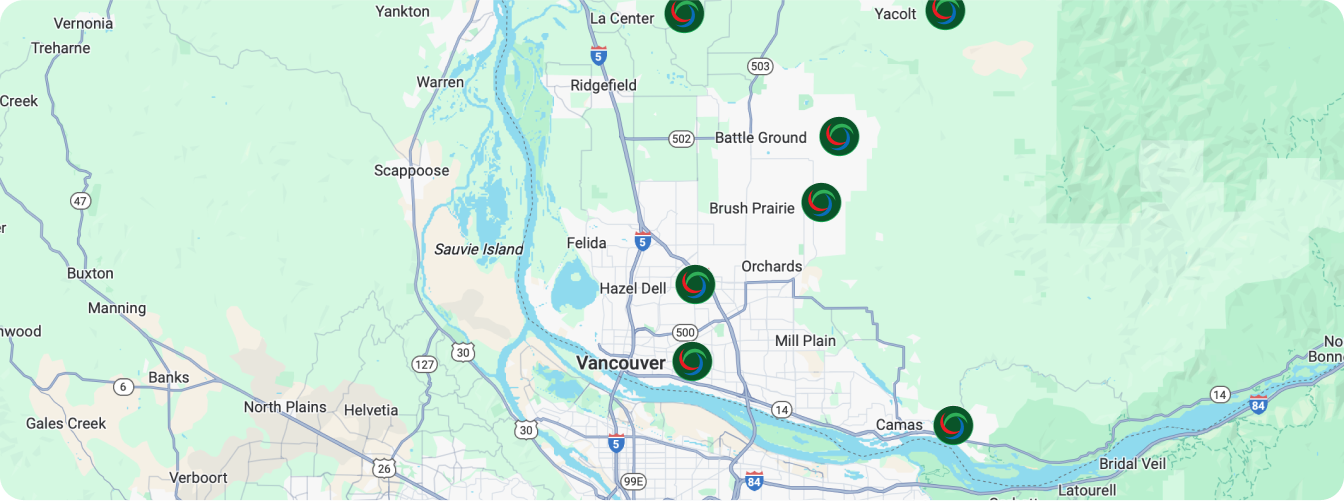
Mini Split Heating Repair in Hazell Dell, WA
When mini-split heat mode problems arise in Hazell Dell, addressing them quickly prevents further damage and restores comfort during the damp, chilly months. A focused diagnostic reveals the correct repair path-whether it is a refrigerant leak repair, defrost control replacement, compressor work, or routine maintenance-and sets expectations for timeline and warranty so homeowners can make informed decisions about their ductless heating systems.
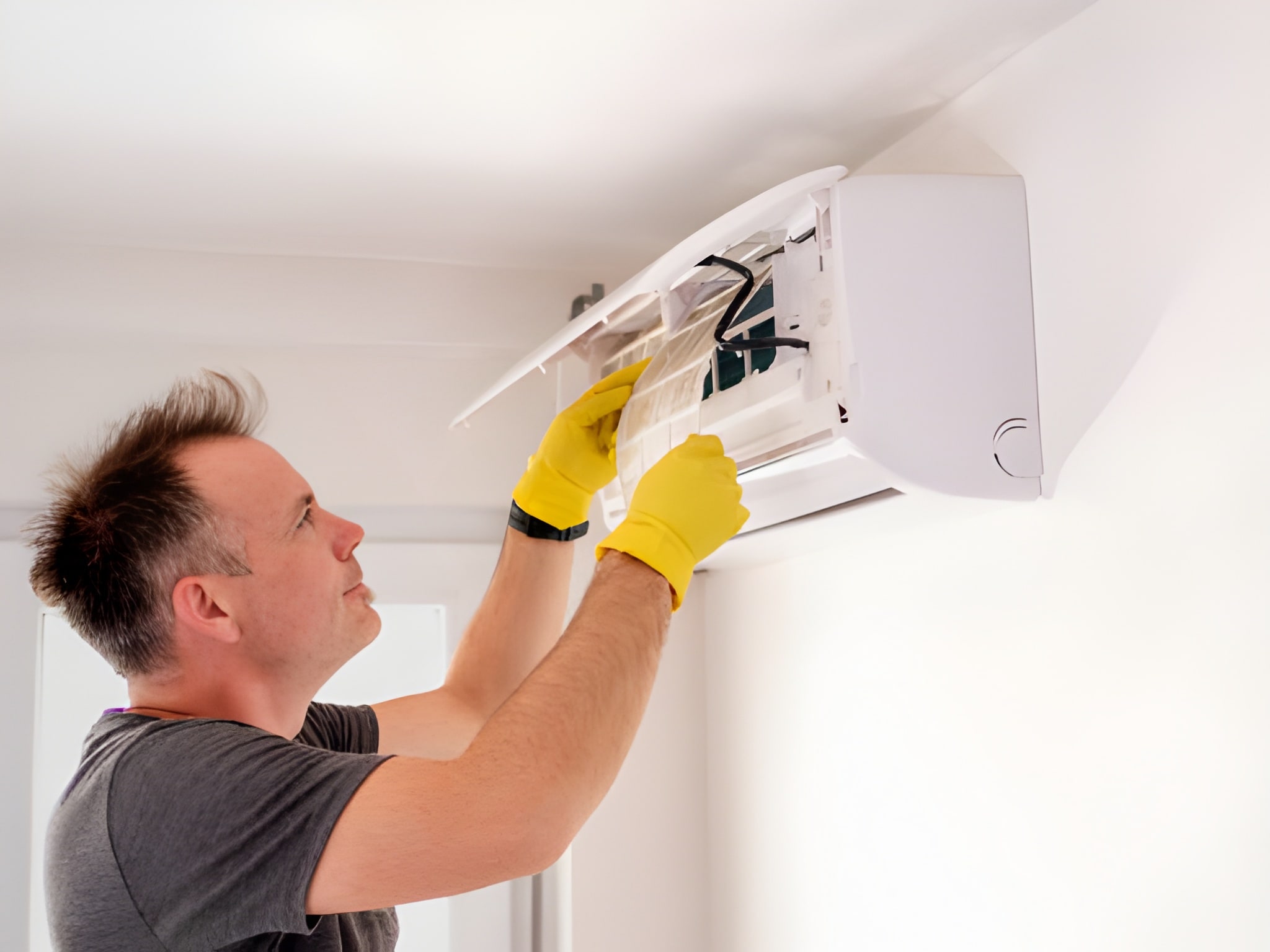
Mini Split Heating Repair in Hazell Dell, WA
Ductless mini-split heat pumps are a reliable, energy-efficient way to heat Hazell Dell homes, but winter performance can suffer when key components fail or the system loses refrigerant. If your indoor unit is blowing cool air in heat mode, the outdoor compressor cycles frequently, or the system frosts up and won’t properly defrost, those are signs a targeted mini split heating repair is needed.
Common mini-split heat mode problems in Hazell Dell, WA
- Weak or cool airflow in heat mode
Often caused by low refrigerant charge, a failing compressor, or a malfunctioning reversing valve. In Hazell Dell’s mild-but-damp winters, low charge becomes obvious as the system struggles to maintain set temperatures. - Outdoor unit frosting or staying iced
Defrost control or sensor failures prevent proper defrost cycles. Persistent ice build-up reduces heating capacity and can damage outdoor components. - Outdoor compressor won’t start or starts then stops
Electrical issues, capacitor failure, motor problems, or internal compressor faults can cause intermittent operation or complete failure. - Unusual noises during heat mode
Rattles, hissing, or clanking can indicate refrigerant leaks, failing fans, loose mounting, or compressor distress. - System short-cycling (rapid on/off)
Short cycling reduces comfort and shortens component life. Common causes include oversized thermostats, electrical faults, or compressor protection tripping. - Reversing valve not switching to heat
If the valve or its solenoid fails, the unit may be stuck in cooling or neutral mode, producing little to no heat. - Control board or sensor errors
Fault codes, communication errors between indoor and outdoor units, or failed room sensors can prevent normal heat operation.
How mini-split heating problems are diagnosed
Technicians follow a systematic approach to pinpoint heat-mode faults and avoid unnecessary repairs:
- System history and symptom review
Confirm when the issue started, recent storms or power events, and any prior repairs. - Visual and electrical inspection
Check outdoor unit for ice, debris, damaged fins, burned wiring, capacitor condition, contactor and fan operation. - Thermostat and control verification
Confirm settings, remote/thermostat function, and check for error codes on indoor unit display. - Refrigerant and pressure testing
Measure operating pressures and temperatures with gauges to identify low charge or restrictions. - Compressor and motor testing
Use amp draws and start-up measurements to verify compressor health and identify electrical faults. - Defrost and reversing valve evaluation
Inspect defrost control timing, sensors, and reversing valve actuation and continuity. - Leak detection and trace
If low charge is found, technicians perform electronic or dye leak detection to locate and quantify leaks.
This diagnostic process ensures the recommended repair addresses the root cause rather than a symptom.
Typical repairs and solutions for heat mode failures
- Refrigerant leak repair and recharge
Locate and repair leaks, evacuate, and recharge per manufacturer specifications. Proper leak repair prevents repeated trips for low charge. - Defrost control board or sensor replacement
Fixes prolonged icing and restores automatic defrost cycles—critical in Hazell Dell’s damp conditions. - Compressor service or replacement
When compressors show internal damage or fail electrical tests, replacement may be recommended. In some cases, compressor start kits or capacitor replacement restores operation. - Reversing valve repair or replacement
Repairing the valve solenoid or replacing the valve corrects units stuck out of heat mode. - Fan motor, capacitor, and contactor repairs
Replacing failed motors or electrical components often restores reliable operation and quiet performance. - Control board and communication module replacement
Repairs to electronic controls resolve fault codes and reestablish indoor/outdoor unit communication. - Outdoor unit cleanup and line-set insulation repair
Clearing debris, fixing bent fins, and replacing damaged insulation improves heat transfer and efficiency.
Service options, typical timelines, and warranty expectations
- Diagnostic visit
Most heating diagnostics take 60 to 90 minutes. A thorough evaluation provides a clear repair plan and parts list. - Minor repairs
Refrigerant top-off (with leak repair), capacitor or fan motor changes, and sensor replacements can often be completed same day if parts are available. - Major repairs or compressor replacement
More complex work such as compressor replacement, reversing valve swaps, or control board rebuilds can require 1 to 3 days depending on parts availability and refrigerant recovery requirements. - Outdoor unit or system replacement
If the outdoor unit is irreparably damaged, replacement scheduling and refrigerant recovery/installation typically span several days. - Warranty expectations
Manufacturer parts warranties vary by brand and component—commonly between 5 and 10 years for major components on newer units; labor warranties from contractors are frequently 1 year. Confirm warranty coverage for specific repair types and any required documentation for warranty claims. - Emergency vs scheduled service
Emergency repairs for complete heating loss in cold spells can be prioritized, while non-critical performance tuning or maintenance may be scheduled during regular service windows.
Preventive maintenance and seasonal tips for Hazell Dell homes
- Fall tune-up
Schedule a heating-focused maintenance visit before the cold season to test refrigerant levels, defrost operation, electrical components, and thermostat calibration. - Keep outdoor units clear
Trim vegetation, remove leaves and debris, and ensure 2 to 3 feet of clearance around the outdoor unit to maintain airflow and prevent moisture trapping. - Check line-set insulation
Damaged or missing insulation allows heat loss and can lead to frosting; replace insulation and seal gaps. - Monitor for icing and unusual sounds
Early detection of ice buildup or new noises helps catch issues before they escalate into compressor damage. - Filter and indoor unit cleaning
Clean or replace filters and periodically clean indoor evaporator coils to maintain airflow and indoor comfort.
Timely repair and regular maintenance preserve efficiency, prolong equipment life, and reduce the likelihood of mid-winter failures.