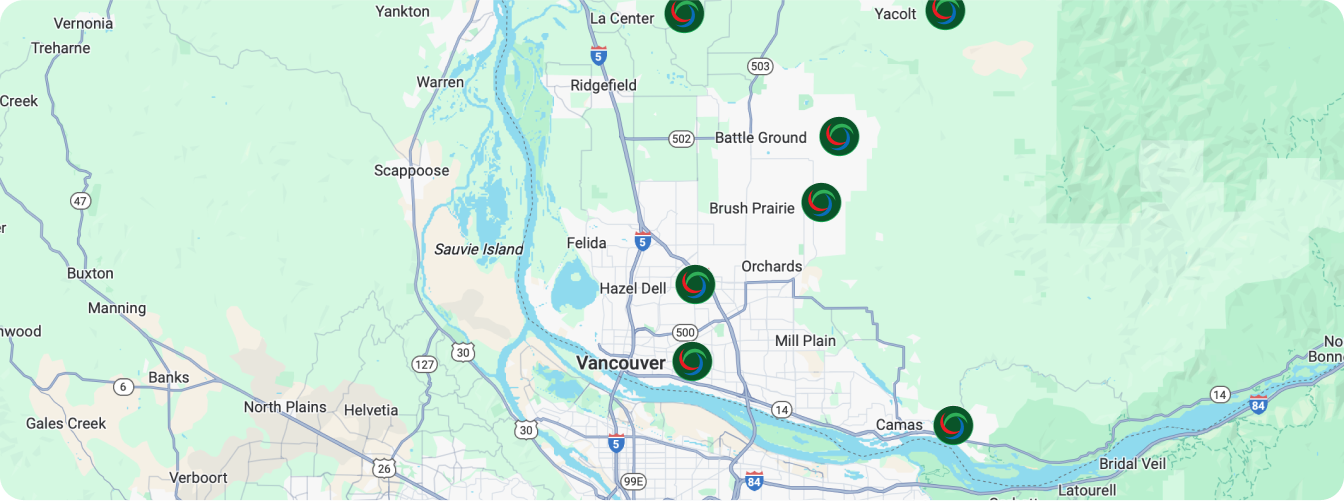
Mini Split AC Installation in Hazell Dell, WA
A professional mini-split installation in Hazell Dell, WA, including benefits of zoned, ductless systems, common indoor unit types, typical installation challenges, and the sizing process using Manual J principles. It outlines the step-by-step installation workflow-from site assessment and mounting to line-set routing, electrical work, refrigerant handling, and commissioning.
.jpeg)
Mini Split AC Installation in Hazell Dell, WA
Ductless mini-split AC installation in Hazell Dell, WA gives homeowners precise, room-by-room comfort without the disruption of ductwork. For properties in the Hazel Dell / Hazell Dell area-where mild, wet winters and warm, humid summers are typical-mini splits are an efficient option for cooling in summer and reliable heating in shoulder and winter months.
Why choose a mini split for Hazell Dell homes
- Provides zoned control so you only cool or heat rooms you use, reducing energy waste.
- Ideal for older or remodeled homes without existing ducts, additions, garages, ADUs, or sunrooms common in the area.
- Modern inverter-driven systems maintain steady comfort through Vancouver-area temperature swings and are more efficient in partial-load conditions than legacy systems.
- Heat pump models offer both heating and cooling, which is helpful when winter temperatures dip but rarely reach extremes.
Common mini split installation types and common issues in Hazell Dell
Indoor unit types:
- Wall-mounted air handlers (most common)
- Ceiling-cassette units for open-plan spaces
- Floor-mounted units for rooms with limited wall space
Common installation issues homeowners encounter:
- Improper system sizing leading to short cycling or inadequate comfort.
- Poor line-set routing that exposes refrigerant lines to the elements or causes aesthetic problems.
- Incomplete electrical provisions or undersized breakers causing tripped circuits.
- Insufficient refrigerant charging or failure to evacuate air and moisture, resulting in reduced performance.
- Lack of proper drainage slope causing condensate backup and water stains in high-humidity months.
How we size a mini split (what to expect)
Proper sizing begins with a load calculation (Manual J principles):
- Technicians evaluate square footage, insulation levels, window orientation, occupancy, ceiling height, and local climate influences specific to Hazell Dell.
- Oversized units cool too quickly without dehumidifying; undersized units struggle on hot afternoons. The right size balances sensible and latent load for local humidity conditions.
- For multi-zone setups, each indoor unit is sized to individual room loads so bedrooms, living rooms, and kitchens have appropriate capacity.
Typical installation process
1. Site assessment and placement plan
- Choose indoor unit locations for even airflow, minimal obstructions, and convenient access for maintenance.
- Locate outdoor condenser for good airflow, clearance from vegetation and neighbors, and minimal visual impact.
2. Mounting indoor air-handlers
- Secure wall brackets to studs or blocking.
- Ensure recommended clearance above, below, and to the sides for service access and airflow.
- For ceiling or floor units, verify structural support and service routes.
3. Line-set routing and condensate management
- Route refrigerant line-sets and condensate drain through a short, direct path when possible.
- Insulate refrigerant lines to prevent condensation and efficiency loss.
- Slope the condensate drain for reliable gravity flow or install an approved condensate pump where needed.
4. Electrical connections
- Install dedicated breaker and disconnect per manufacturer specifications and Washington electrical code.
- Use correct wire gauge for the unit’s running and starting amperage.
- Coordinate low-voltage control wiring for zone controls and thermostat/remote integration.
5. Refrigerant handling and charging
- Verify whether the outdoor unit is pre-charged for a specified line-set length.
- Evacuate the system with a vacuum pump to remove air and moisture before opening refrigerant valves.
- Field-charge to manufacturer-specified pressures or calculate charge by line length when required.
- Leak-test joints and fittings.
6. Controls, zoning, and thermostat integration
- Configure single-zone or multi-zone controls. Multi-zone systems allow independent temperature settings per indoor unit.
- Integrate Wi-Fi thermostats or manufacturer apps for remote monitoring and scheduling as desired.
- Ensure remote sensors and wired controls are properly linked and tested.
7. Startup testing and commissioning
- Verify correct voltages and amperages under load.
- Confirm target refrigerant pressures, superheat, and subcooling values.
- Check airflow, room temperature response, and dehumidification performance.
- Run defrost cycles on heat-pump models to confirm winter operation.
Warranty information and documentation
- Manufacturer warranties typically cover major components for a set number of years; compressor warranties are often distinct from parts.
- Labor warranties for installation vary; documentation of work performed, model numbers, and serial numbers should be provided during handoff.
- Proper registration of equipment with the manufacturer and proof of professional installation are often required to maintain full warranty coverage.
Tips for efficient operation and long-term performance
- Use zoned settings: Only cool or heat occupied rooms.
- Keep outdoor units clear of debris, leaves, and overgrowth-especially important in Hazell Dell’s wet, leafy environment. Maintain at least the clearance recommended by the manufacturer for airflow.
- Replace or clean indoor filters regularly and schedule annual preventative maintenance before summer and winter seasons.
- Keep indoor furniture and drapes at least a foot away from indoor units to ensure proper airflow.
- During winter, allow the heat pump defrost cycles to complete; do not power-cycle the unit during a defrost.
- If the indoor unit is quieter or less effective than expected, have a technician check refrigerant charge, airflow, and control settings.
A professionally sized and installed mini split provides reliable cooling for Hazell Dell summers and efficient heating during cooler periods, all while preserving interior aesthetics and reducing energy waste. Understanding the installation stages-from load calculation and mounting to refrigerant charging and startup testing-helps you evaluate proposals and ensure a durable, warranty-backed installation suited to the unique climate and home styles in the area. Regular maintenance and proper operation will keep your mini split delivering comfortable, efficient performance year after year.