Whole House Air Cleaners in Troutdale, OR
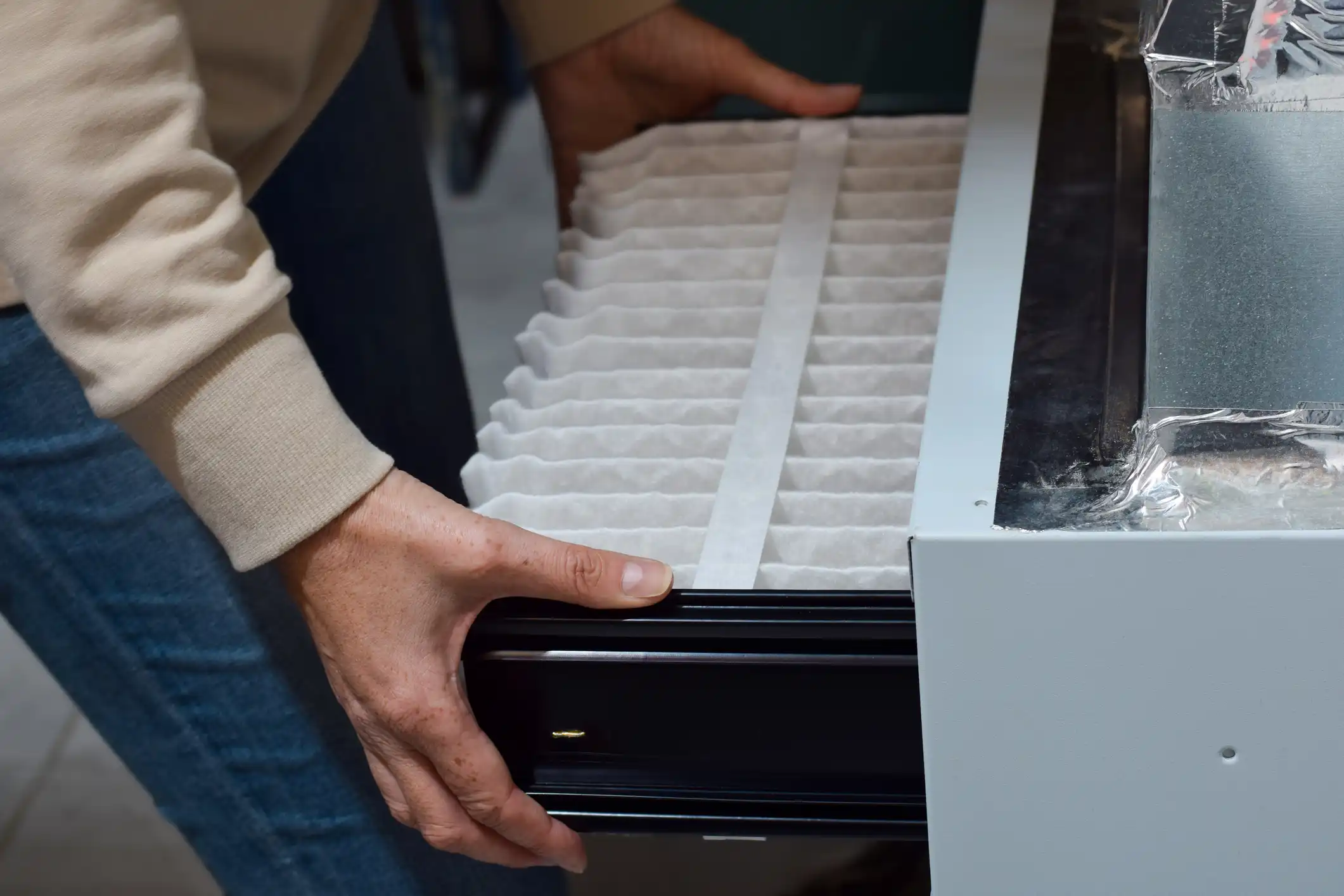
Whole-house air cleaners provide Troutdale, OR homeowners with a seamless way to improve indoor air quality by integrating with their existing HVAC system. We guide you in selecting the ideal solution from a range of filtration options, including high-efficiency MERV filters, true HEPA in-duct systems, electronic cleaners, and UV lights, to reduce dust, pollen, smoke, and allergens. Our professional service includes a full assessment to match the system to your home’s specific needs, with expert installation and guidance on ongoing maintenance. By also considering duct sealing and following a tailored filter replacement schedule, you can maximize performance and ensure your home's air remains clean.
Whole House Air Cleaners in Troutdale, OR
Improving indoor air quality is a practical investment for Troutdale homes, where seasonal pollen, Portland-area urban particulates, and periodic wildfire smoke from the Columbia River Gorge can make breathing indoors as challenging as being outside. Whole-house air cleaners integrate directly with your existing HVAC system to reduce dust, allergens, smoke, pet dander, and microscopic particles throughout every room.
Why a whole-house air cleaner matters in Troutdale, OR
- Seasonal pollen and mold spores: Spring and early summer bring tree and grass pollen that easily infiltrates homes.
- Wildfire smoke events: Summer and fall wildfire smoke raises fine particle concentrations (PM2.5), which standard fiberglass filters cannot capture effectively.
- Urban and transportation pollutants: Proximity to the Portland metro means diesel and vehicle emissions can affect indoor air.
- Home construction and duct issues: Older or leaky ducts common in regional housing can circulate dust and allergens from crawlspaces and attics.
A properly selected whole-house system treats the air at the source: the central furnace or air handler, providing balanced filtration for the entire home rather than spot solutions like portable HEPA units.
Common IAQ filtration options in Troutdale homes
Understanding the options helps match performance to your household needs, allergies, and local air challenges.
- Disposable media filters (MERV-rated)
- MERV 6-8: basic dust and lint capture; better than fiberglass but limited for fine particles.
- MERV 9-13: captures much smaller particles including pollen, pet dander, and some smoke particulates. Ideal balance of filtration and airflow for most HVAC systems.
- High-efficiency HEPA in-duct solutions
- True HEPA removes 99.97 percent of 0.3 micron particles but often requires a dedicated bypass or upgraded air handler due to increased pressure drop. Best for severe allergy or smoke sensitivity.
- Electronic air cleaners and electrostatic precipitators
- Use electric fields to charge and capture particles. They are reusable and effective for fine particles, but require regular cleaning and may produce trace ozone in some designs.
- UV germicidal lights
- Target biological contaminants like mold and bacteria on coil surfaces and in the airstream. UV does not remove dust or smoke particles, so it is best used alongside filtration.
- Hybrid systems
- Combine media filtration + electronic cleaning + UV for comprehensive control of particles and biologicals.
How whole-house air cleaners integrate with your HVAC system
Integration is about matching filtration performance to your system without compromising airflow or efficiency.
- Location: Most whole-house units install in the return duct or at the air handler plenum for maximum system-wide coverage.
- Airflow and static pressure: Higher-efficiency filters increase resistance. Systems are evaluated for static pressure tolerance — upgraded blower or bypass designs may be needed for HEPA-level filtration.
- Controls and interlocks: Many systems connect to the furnace or air handler control board so filtration runs when the blower operates. Some include dedicated fans or timers for continuous circulation.
- Duct sealing and balance: Sealing leaky ducts and ensuring proper return paths improves filtration effectiveness and overall comfort.
Typical installation steps
A standard, professional installation follows a predictable process to ensure performance and longevity.
Home assessment
- Inspect existing HVAC equipment, duct layout, and typical pollutant sources (pets, smokers, recent renovations, proximity to roads).
System selection and sizing
- Choose a filtration option based on home size, air change needs, and desired particle removal (MERV selection or HEPA/electronic option).
Location planning
- Decide whether to mount the unit in the return trunk, air handler plenum, or as a parallel bypass. Confirm space and access for maintenance.
Mechanical installation
- Mount unit, install filter rack or collector cells, wire controls to the HVAC system, and add any necessary dedicated fans or bypass ducts.
Commissioning
- Test airflow, static pressure, verify control interlocks, and show homeowner basic maintenance steps. Airflow measurements ensure the system does not overload the blower.
Maintenance and filter replacement in Troutdale conditions
Routine maintenance is essential to keep performance high, especially with local pollen seasons and smoke events.
- Inspection cadence: Check filter condition monthly during high-use seasons (spring pollen, wildfire smoke periods), otherwise every 1 to 3 months.
- Media filters: Typical replacement every 3 to 12 months depending on MERV, occupancy, and pollution levels. Higher MERV = more frequent replacement.
- HEPA filters: Replace every 6 to 12 months for in-duct HEPA modules depending on loading and pressure monitoring. Some systems include pre-filters to extend HEPA life.
- Electronic collectors: Clean collector cells every 1 to 3 months; service frequency increases during wildfire smoke events. Always power down before cleaning.
- UV lamps: Replace annually or per manufacturer lamp-life recommendations; effectiveness declines even if lamp remains lit.
- Professional tune-ups: Annual IAQ inspection with static pressure reading, duct leak checks, and coil cleaning helps maintain efficiency and indoor air performance.
Warranty and service considerations
Know how coverage typically works so you can compare options at purchase.
- Manufacturer warranties: Most components carry limited warranties on parts (commonly 1 to 5 years). HEPA modules and electronics may have separate terms.
- Labor coverage: Installation labor warranty varies by contractor; ask about workmanship warranties and what is included for repairs.
- Service plans: Maintenance agreements often include scheduled filter changes and annual inspections, reducing unexpected performance loss.
- Registration and documentation: Register new equipment with the manufacturer and retain installation/service records to preserve warranty coverage.
Benefits summary and practical advice
A properly designed whole-house air cleaner reduces allergens, dust buildup, and smoke infiltration while protecting HVAC components and improving overall comfort. For Troutdale homes, prioritize systems that address fine particle removal (MERV 11-13 or HEPA-level) and that can be serviced during local high-pollen and wildfire seasons. Pair filtration upgrades with duct sealing and routine HVAC maintenance to get the best, long-term indoor air quality results.