HRV Systems in Troutdale, OR
Heat Recovery Ventilators provide homeowners in Troutdale, OR, with an essential IAQ solution for today's tightly sealed homes, ensuring continuous fresh air with minimal energy loss. These systems are an ideal fit for the Pacific Northwest climate, where they are invaluable for moisture and mold control as well as wildfire-season filtration. Our service includes tailored installation options, from whole-house to dedicated ducted systems for both new construction and retrofits, while providing guidance on key maintenance tasks, smart features, and how professional commissioning can maximize your system's long-term energy and comfort benefits.
HRV Systems in Troutdale, OR
Indoor air quality (IAQ) matters in Troutdale, OR - a region with cool, wet winters, occasional cold snaps from the Columbia Gorge, and increasing summertime smoke events. An IAQ HRV (heat recovery ventilation) system delivers continuous fresh air while recovering heat from the exhaust stream to reduce energy loss. For Troutdale homes that are tightly sealed or recently weatherized, an HRV is often the missing piece that improves comfort, controls humidity, and reduces odors and pollutants without throwing away your heating energy.
Why choose an HRV for Troutdale homes
- Energy-conscious ventilation: HRVs transfer heat from outgoing stale air to incoming fresh air, recovering on the order of 60–95% of sensible heat depending on model and installation. That directly reduces heating demand during the long heating season in the Pacific Northwest.
- Moisture and mold control: Continuous balanced ventilation helps remove excess indoor moisture that otherwise leads to condensation and mold growth in damp Troutdale winters.
- Better baseline IAQ during wildfire season: With appropriate filtration, HRVs can reduce indoor particle loads from seasonal wildfire smoke while still maintaining required ventilation rates.
- Comfort in airtight homes: Newer or remodeled homes that hold conditioned air well need mechanical ventilation to meet fresh-air needs without major comfort tradeoffs.
Common IAQ HRV issues in Troutdale and what they mean
- Clogged or dirty filters - reduces airflow and heat recovery efficiency; increases noise.
- Frost or ice buildup in winter - poor placement, incorrect defrost control settings, or inadequate drainage can cause frosting and restrict airflow.
- Imbalanced flow (too much supply or exhaust) - causes pressure differences, drafts, or back-drafting of combustion appliances.
- Excessive noise - often from loose ductwork, poorly mounted units, or undersized ducts.
- Insufficient filtration for smoke and fine particles - basic HRV filters capture larger particles but may need upgraded filters or pre-filters for severe smoke events.
Types of HRV installations and considerations
- Whole-house HRV integrated with central HVAC: Connects to the furnace/air handler ductwork or to dedicated supply and exhaust ducts. Best for existing systems that can accommodate modest duct modifications.
- Dedicated ducted HRV: Separate intake and exhaust ducts with a dedicated unit. Preferred when central ductwork is incompatible or when zoning and control precision are priorities.
- New construction vs retrofit: New builds can incorporate straight, short duct runs and optimal unit placement. Retrofits require careful planning to minimize invasive ductwork while ensuring balanced flows.
- HRV vs ERV: HRVs prioritize sensible heat recovery and typically perform better in Troutdale winters. ERVs transfer both heat and moisture and can be preferable where humidity control in summer is critical. Choice depends on your home's moisture profile and comfort priorities.
How a typical Troutdale HRV installation works
- On-site assessment: Technicians evaluate home size, occupancy, existing ductwork, combustion appliance safety, and local ventilation needs.
- Ventilation sizing and layout: Ventilation rates are determined by square footage and number of bedrooms/occupants (following widely accepted guidelines). Duct layout is designed to minimize runs and ensure balanced supply/exhaust distribution.
- Unit selection and placement: Select a capacity-appropriate HRV with the right recovery efficiency and defrost strategy for Pacific Northwest winters. Locate the unit in a conditioned or protected space with access for maintenance.
- Ducting and controls integration: Install insulated intake and exhaust ducts, connect to the HVAC system if desired, and wire controls-timers, humidity sensors, or demand-based controls as required.
- Commissioning and balancing: Technicians test and adjust supply and exhaust CFM, verify pressure neutrality, and confirm defrost and electrical functions.
- Maintenance orientation: Homeowners receive guidance on filter access, cleaning schedules, and basic troubleshooting.
Controls and smart features that matter in Troutdale
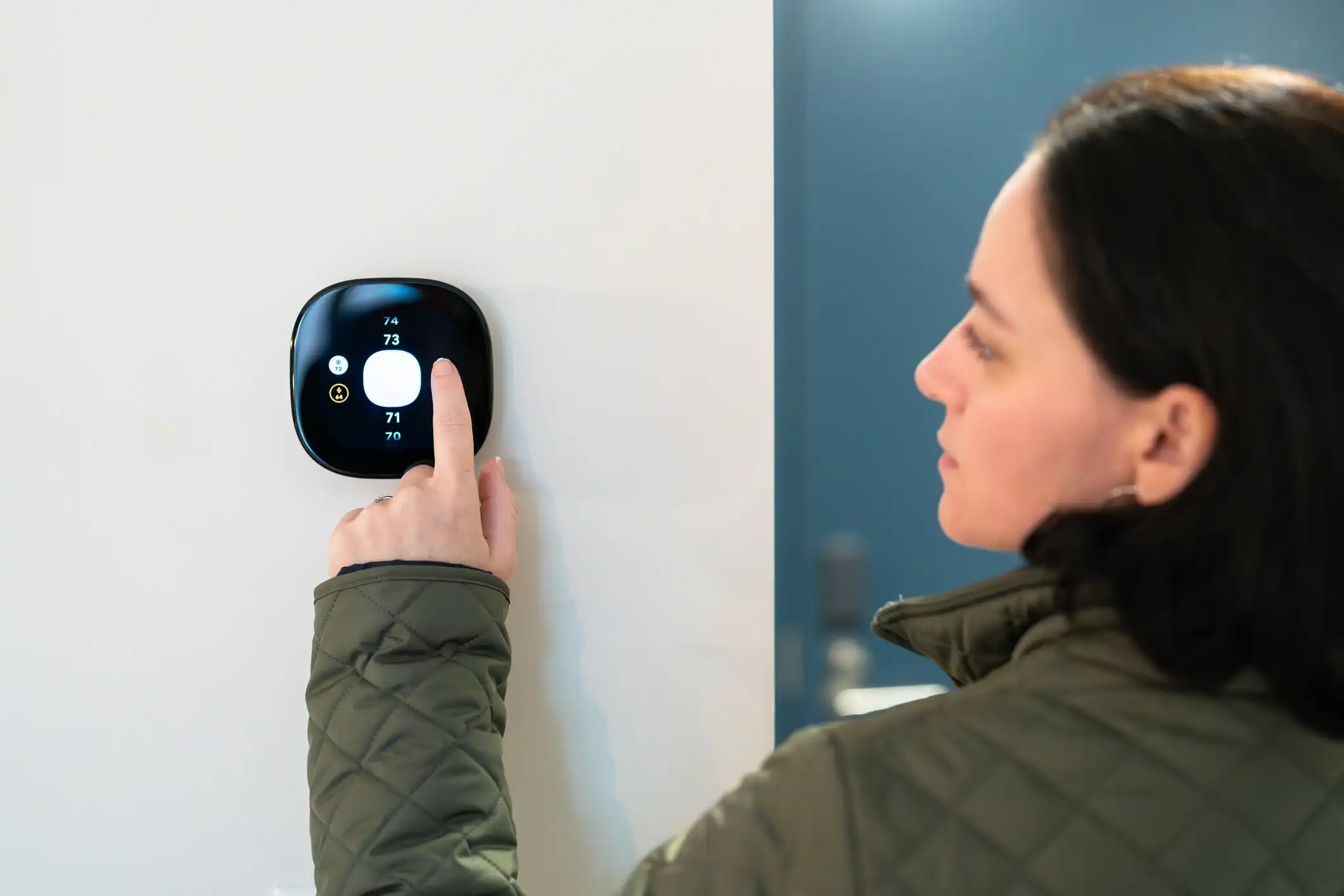
- Timed ventilation and boost modes: Schedule higher ventilation during occupancy or after activities that generate moisture (cooking, showers).
- Humidity sensing/demand control: Automatically adjusts ventilation when indoor relative humidity rises, helping prevent condensation problems in wet months.
- Interlock with HVAC: Allows the HRV to operate in coordination with heating or cooling cycles for energy-smart operation.
- Outdoor air quality sensing: Some systems can reduce intake during poor outdoor air events and rely on recirculation with filtered ventilation strategies.
Maintenance, reliability, and lifespan
- Filters: Replace or clean filters every 3–6 months depending on use and local conditions (more frequent during smoke events).
- Core and heat exchanger cleaning: Inspect and clean once a year; more frequent checks in dusty or smoky seasons improve performance.
- Duct and condensate checks: Inspect ducts for leaks and ensure condensate drains remain clear to prevent icing or microbial growth.
- Service interval: Well-installed HRVs typically last 10–15 years or more with regular maintenance and occasional motor/filter replacements.
Expected energy and comfort benefits for Troutdale homeowners
- Lower heating loads: By reclaiming heat from exhaust air, HRVs reduce the work your furnace or heat pump does to warm incoming air, particularly valuable during extended cool seasons.
- Reduced condensation and mold risk: Continuous, balanced ventilation lowers indoor humidity peaks that drive mold and poor indoor air surfaces.
- Consistent fresh air with minimal drafts: Properly balanced systems maintain neutral pressure and steady indoor comfort without cold spots near fresh-air inlets.
- Improved indoor pollutant control: Removes odors, VOCs, humidity, and particulates when paired with appropriate filtration-helpful for homes near busy corridors or during wildfire smoke periods.
Selecting the right IAQ HRV system for a Troutdale home requires an assessment that considers local climate patterns, home tightness, existing HVAC, and typical occupant behaviors. Proper sizing, placement, and commissioning are critical to avoiding frost, imbalance, and efficiency loss. With correct installation and routine maintenance, an HRV can be one of the most effective upgrades to improve indoor air quality and reduce heating energy waste in Pacific Northwest homes.