
Heating Replacement in Washougal, WA
When replacement is preferable to repair for Washougal homes, and compares furnace, heat pump, hybrid, and ductless options. It details how we select the right unit through climate factors, existing fuel, insulation, and ductwork, then shows load calculations (Manual J) and duct design (Manual D) to ensure proper sizing.
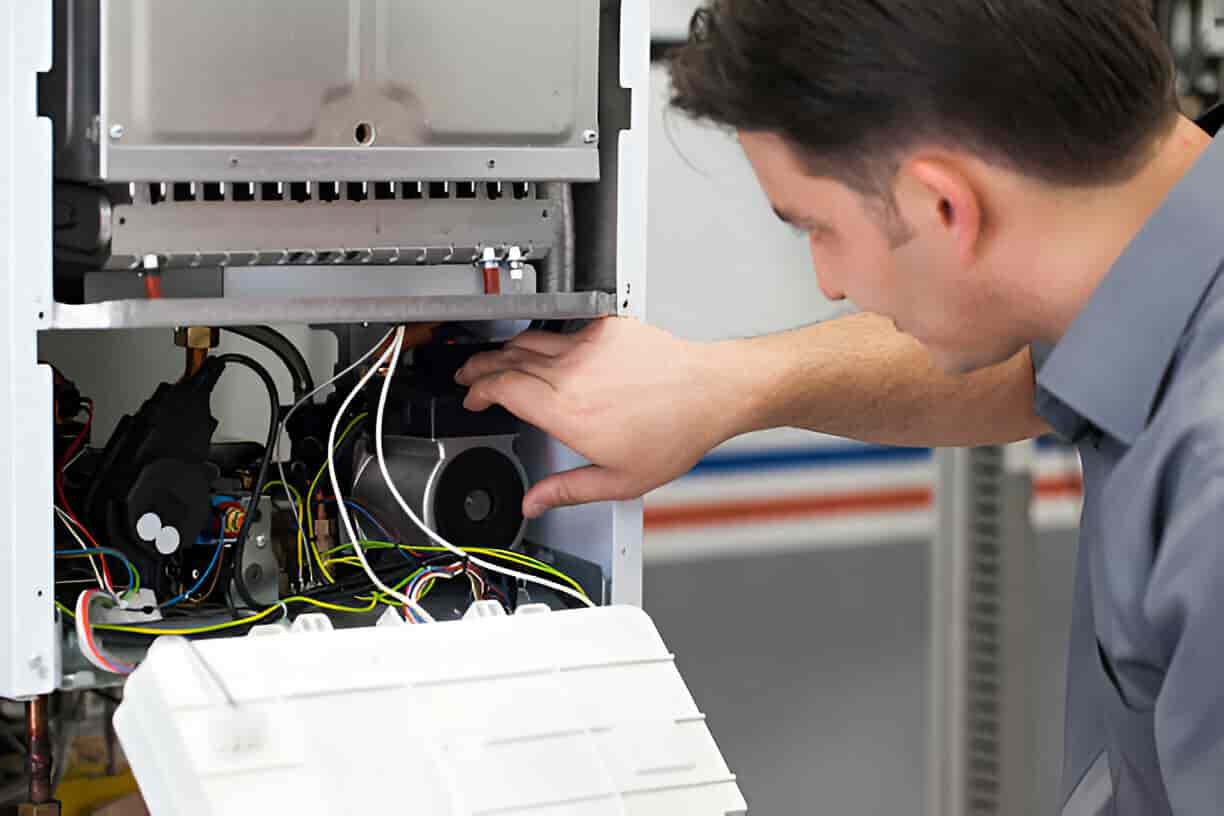
Heating Replacement in Washougal, WA
Upgrading your home heating system is one of the most important decisions for long-term comfort and energy costs in Washougal, WA. With our Pacific Northwest climate - wet, mild winters and periodic cold snaps - selecting the right replacement furnace or heat pump affects indoor comfort, moisture control, and operating expenses.
When replacement is preferable to repair
Replacing a heating system often makes sense when any of the following are true:
- Frequent breakdowns or rising repair costs year after year
- System age is 15–20+ years for furnaces or 10–15+ years for heat pumps
- Inefficient operation leading to high energy bills despite repairs
- Uneven heating, persistent humidity/condensation or indoor air quality concerns tied to the unit
- Replacement of other home systems (ductwork, insulation) that reveal sizing mismatches
- Safety concerns such as cracked heat exchangers or gas leaks
In Washougal homes, heat pumps have become a practical replacement option because they perform well in mild cold and offer both heating and cooling. However, homes with existing reliable gas infrastructure may still benefit from a modern high-efficiency furnace if cold-climate heating or high output is required.
Common heating replacement types and their pros/cons
- Gas furnace (natural gas): High heat output and fast recovery. Best for homes with existing gas lines or very cold exposures. Requires combustion venting and combustion safety checks.
- Electric heat pump (air-source or ductless mini-split): Highly efficient in Washougal’s mild winters; provides cooling in summer, improved humidity control, and lower operating costs in many scenarios. Performance depends on model’s cold-weather specs.
- Hybrid systems: Combine a heat pump with a gas furnace to optimize efficiency and comfort during variable temperatures.
- Ductless mini-splits: Ideal for homes without ducts or for room-by-room control and supplemental heating.
How we select the right furnace or heat pump
System selection balances comfort goals, budget, and home specifics. Key steps include:
- Home climate profile and occupant comfort preferences in Washougal (humidity tolerance, desired setpoints)
- Existing fuel sources and distribution (gas line, ducted system, or none)
- Structural factors: insulation levels, window types, and building tightness
- Load calculations (see next section) to determine capacity needs
- Compatibility with existing ducts or need for duct modifications or replacement
- Efficiency goals and lifecycle cost comparison, not just upfront price
Load calculations and duct considerations
Accurate sizing prevents short cycling, poor comfort, and wasted energy. Two technical elements:
- Manual J load calculation: A room-by-room heat loss and heat gain analysis that determines the precise heating capacity required. This accounts for Washougal-specific factors like local temperature design conditions, orientation, insulation, and infiltration.
- Duct evaluation and Manual D design: Duct sizing, leakage, and configuration are evaluated. Old or undersized ducts commonly found in older Clark County homes may need sealing, insulation, or resizing to handle modern high-efficiency equipment and maintain airflow.
Oversized equipment is a common mistake. A properly sized system runs efficiently, maintains comfort, and reduces wear.
Understanding efficiency ratings
Compare equipment using standardized ratings:
- AFUE (Annual Fuel Utilization Efficiency): For gas furnaces. Higher AFUE means more of the fuel converts to heat. Modern high-efficiency furnaces reach 90%+ AFUE.
- HSPF (Heating Seasonal Performance Factor): For heat pumps. Higher HSPF indicates better heating efficiency over a season.
- SEER (Seasonal Energy Efficiency Ratio): For cooling performance of heat pumps and AC. Higher SEER means better cooling efficiency; relevant if replacing with a heat pump.
- COP (Coefficient of Performance): Instantaneous efficiency metric for heat pumps — useful to compare performance at specific outdoor temperatures.
When comparing options, consider estimated annual energy use and local energy costs in Washougal, not just the sticker efficiency.
Financing options for replacement
Many homeowners use financing to spread the investment over time. Typical options include:
- Fixed monthly payment plans with predetermined terms and APRs
- Deferred interest promotions or no-interest-for-a-period offers (terms vary and require attention to pay-off conditions)
- Low-monthly-payment plans that extend term length to reduce immediate impact on household cash flow
- Home improvement loans or home equity options for longer-term financing
When evaluating financing, review total interest paid over the life of the loan, any deferral conditions, and how the monthly payment fits into projected energy savings from the new system.
Installation steps - what to expect
A professional replacement follows a structured process to protect your home and create a lasting system:
- Pre-installation assessment and load/duct survey
- Equipment selection confirmation and scheduling
- Site preparation: clearing work area, protecting floors and furnishings, and ensuring proper venting or electrical capacity
- Removal and proper disposal of the old unit, including safe handling of refrigerant if applicable
- Installation of new equipment, duct connections, electrical and gas hookups, and any required structural modifications
- System configuration: charging refrigerant, setting up controls, and integrating thermostats or zoning systems
- Safety checks and initial system operation
Technicians should follow manufacturer installation guidelines and local code requirements to preserve warranties and ensure safety.
Post-installation testing and commissioning
Comprehensive testing verifies performance and safety:
- Combustion analysis and CO testing for gas furnaces
- Refrigerant charge verification with superheat/subcooling for heat pumps
- Airflow measurements and static pressure checks to confirm duct performance
- Thermostat calibration and control verification, including smart or multi-stage functions
- Electrical load checks and safety control validation
- Final walkthrough to explain system operation, maintenance intervals, and warranty coverage
Proper commissioning maximizes efficiency, extends equipment life, and prevents early failures.
Long-term benefits and maintenance tips
A quality replacement improves comfort, lowers operating costs, and reduces repair risk. To protect that investment:
- Enroll in a regular maintenance program for seasonal tune-ups and filter changes
- Replace filters regularly and schedule annual inspections (furnaces and heat pumps have different seasonal needs)
- Address duct leaks and insulation upgrades to maximize system efficiency in Washougal’s damp climate
- Monitor energy use seasonally to spot abnormal consumption that could indicate problems
Replacing a heating system is a technical and financial decision. With accurate load calculations, the right system choice for Washougal’s climate, careful installation, and post-installation testing, homeowners gain consistent comfort and improved energy performance for years to come.