Heating Repair in Washougal, WA
Washougal experiences cool, wet winters that promote condensation, corrosion, and increased run times for heating equipment. Longer runtimes raise wear on electrical components, motors, and heat exchangers. Leaving small issues unaddressed can quickly become unsafe (carbon monoxide risk with gas equipment) or lead to full system failure during the coldest nights. Timely repair restores comfort, reduces energy waste, and protects indoor air quality.
Heating Repair in Washougal, WA
Keeping your heating system reliable through Washougal winters matters. Cold, damp weather and occasional freezing nights put extra strain on furnaces and heat pumps in Clark County homes. This page explains how professional heating repair works, common failure scenarios seen in Washougal, realistic repair options and timelines, warranty considerations, and practical guidance on arranging prompt service so you can decide with confidence.
Common heating problems in Washougal homes
- Furnace won’t start or intermittent operation - often caused by thermostat issues, a failed igniter, or safety switches.
- Weak or no airflow - clogged filters, failing blower motor, or duct obstructions.
- Pilot or ignition failure on gas furnaces - faulty igniters, gas valve issues, or blocked burners.
- Short cycling (turns on and off rapidly) - caused by overheating, bad thermostat placement, or airflow restrictions.
- Uneven heating throughout the house - duct leaks, zoning control issues, or undersized equipment.
- Noisy operation - failing bearings, loose panels, or failing inducer motors.
- Heat pump-specific issues - low refrigerant, failed reversing valve, or compressor problems that reduce heating capacity in colder conditions.
- Carbon monoxide smell or elevated CO readings - immediate safety concern often tied to cracked heat exchangers, poor venting, or blocked flues.
Typical diagnostic process (what professionals do)
A thorough diagnostic aims to identify root causes, not just symptoms. Expect these steps:
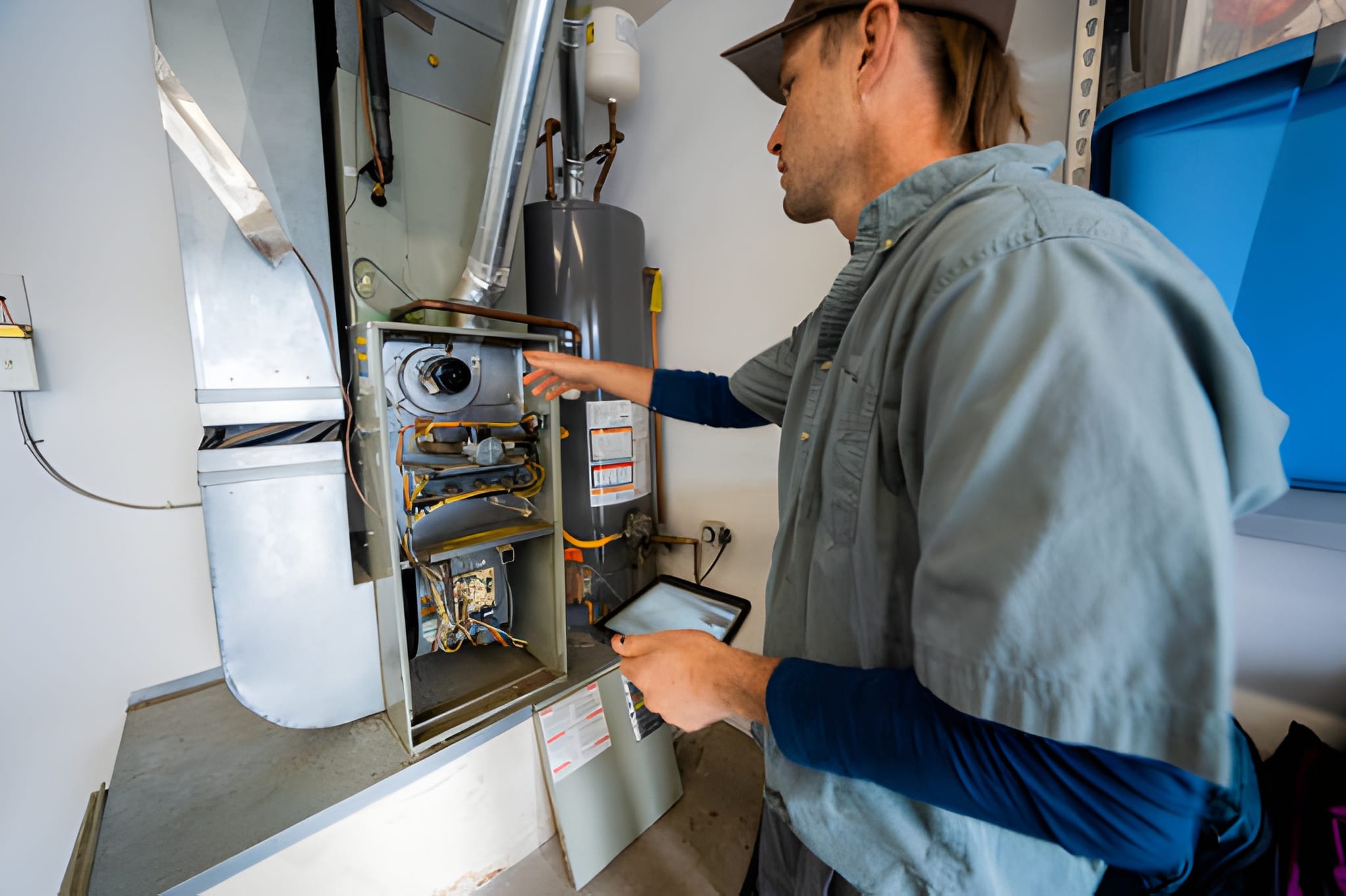
- Visual safety inspection of the unit, venting, and combustion area.
- Thermostat verification and system control checks.
- Power and fuel supply confirmation - breakers, switches, gas line status.
- Airflow measurement and filter condition check.
- Electrical testing of capacitors, relays, motors, and control boards.
- Combustion and vent analysis on gas furnaces to check for proper flame, CO, and draft.
- Refrigerant pressure checks and leak testing for heat pumps.
- Performance run test to replicate the issue and confirm diagnosis.
Diagnostics in a typical service visit usually take 30 to 90 minutes depending on system complexity.
Repair options and decision points
Repairs fall into several categories. Selection depends on system age, condition, cost, and safety.
- Minor repairs and tune-ups
- Thermostat replacement or recalibration
- Filter replacement and duct cleaning recommendations
- Igniter or flame sensor cleaning/replacement
- Capacitor or contactor replacement
- Condensate drain clearing
- Component replacements
- Blower motor or blower wheel replacement
- Control board replacement
- Inducer motor or draft components
- Gas valve replacement or pressure adjustment
- Refrigerant recharge or reversing valve replacement for heat pumps
- Major repair vs replacement
- Cracked heat exchanger - typically requires replacement of the furnace due to safety and code concerns.
- Compressor failure in a heat pump - may justify replacement of the entire outdoor unit depending on age and repair cost.
- Repeated failures or systems older than 15 years - replacement is often the more cost-effective and energy-efficient choice.
When evaluating options, technicians will compare the repair cost to expected remaining life and efficiency gains from a new system. A common rule of thumb: if repair costs approach 50% of replacement and the unit is older, replacement becomes the better long-term investment.
Expected timelines
- Diagnostic visit: 30 to 90 minutes.
- Minor repairs (filters, sensors, capacitors): 1 to 3 hours, often same day.
- Major component swaps (blower motor, control board, gas valve): 2 to 6 hours; may require part ordering 24 to 72 hours.
- Heat pump refrigerant repairs or compressor replacement: may need a day for recovery, permits, or specialized parts; 1 to 2 days typical.
- Full system replacement (furnace or heat pump): 1 to 2 days depending on ductwork, venting changes, and permit requirements.
Colder spells increase demand for technicians, which can extend part lead times and appointment availability.
Warranty and protection details to check
- Manufacturer parts warranty - varies by brand from a few years to 10-15 years on major components when registered.
- Labor warranty from the contractor - commonly 90 days to 1 year; some service agreements extend labor coverage longer.
- Extended warranties or maintenance plans - may offer parts and labor coverage and priority scheduling.
- Important homeowner actions - register the new equipment with the manufacturer and keep maintenance records to preserve warranties.
Ask for written warranty terms for both parts and labor so you understand coverage durations, exclusions (like corrosion from moisture), and transferability if you sell the home.
How to schedule prompt service (what to expect)
Most professional HVAC providers handle scheduling through phone or online requests and will ask for:
- Your address and availability windows
- System type (gas furnace, heat pump, ductless)
- Symptoms observed and any error codes or thermostat behavior
- Recent service history and age of equipment
During high-demand periods, same-day or next-day appointments are sometimes available for emergency heating outages. Be prepared to describe symptoms clearly and note any safety signs (CO alarm, gas odor) so the dispatcher can prioritize appropriately.
Practical homeowner tips to reduce repairs
- Replace filters every 1 to 3 months during heavy use to prevent airflow issues.
- Keep outdoor heat pump units clear of debris and heavy vegetation during wet seasons.
- Install and test carbon monoxide detectors near sleeping areas if you have gas equipment.
- Schedule annual heating tune-ups before the cold season - regular maintenance extends life and preserves warranties.
In Washougal’s wet, cool climate, proactive care and prompt repairs protect comfort and safety while keeping energy costs down. When weighing repair versus replacement, consider system age, frequency of breakdowns, safety implications, and long-term efficiency. A clear diagnostic report, transparent warranty details, and realistic timelines help you make the best decision for your home.