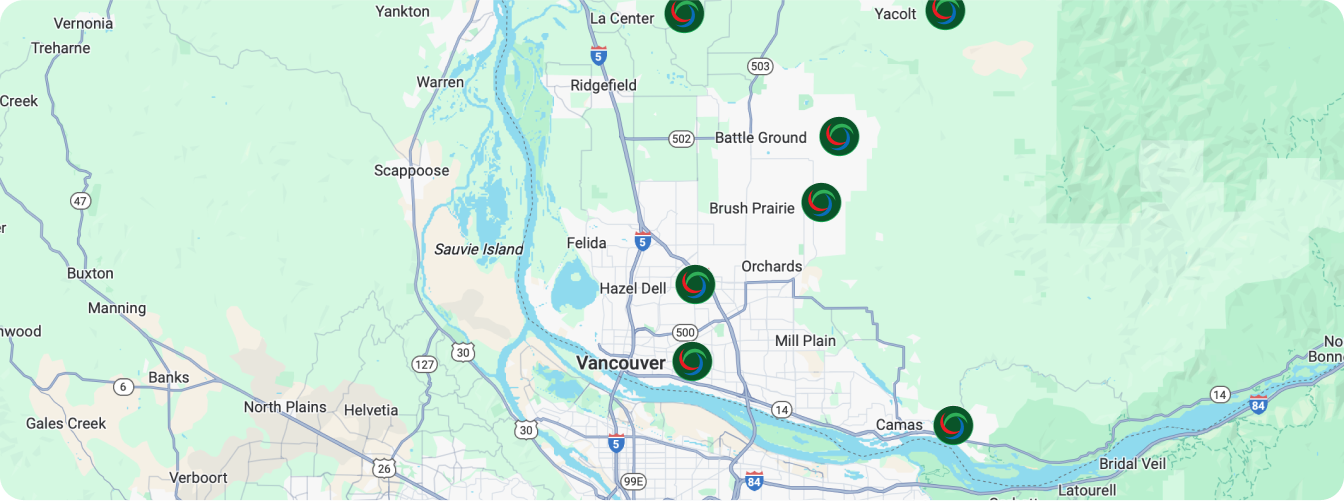
Heating Replacement in Battle Ground, WA
For homeowners in Battle Ground, upgrading to a new heating system is a complete process designed for lasting comfort and savings. We guide you through every step, from an initial evaluation and correct sizing to choosing the perfect equipment for your home, whether that's a high-efficiency furnace, a cold-climate heat pump, a hybrid, or a ductless system. Our professional installation includes the safe removal of your old unit, a streamlined timeline, and a focus on critical details like ductwork and insulation to maximize performance. We help you navigate warranties, financing, and available rebates, ensuring you'll enjoy a quieter system, lower energy bills, and more even temperatures for a more comfortable home.

Heating Replacement in Battle Ground, WA
Replacing an aging or failing heating system is one of the most important investments you can make for year‑round comfort and energy savings in Battle Ground, WA. With cool, wet winters and occasional cold snaps, homes here need reliable, properly sized equipment that matches the local climate and your household needs.
Why replace your heating system now?
- Frequent breakdowns or rising repair costs often mean a replacement will save money over time.
- Older systems typically run at lower efficiency, increasing monthly utility bills during Battle Ground’s long heating season.
- Modern systems deliver better temperature consistency, quieter operation, and improved indoor air quality—important in damp climates where mold and humidity concerns are common.
Common heating replacement scenarios in Battle Ground
- Furnace age over 15–20 years with recurring repairs
- Heat pump near end of expected life or losing capacity in cold weather
- Need to switch fuel types (gas to electric heat pump) for efficiency or emissions goals
- Home remodel or ductwork changes that require matched equipment
- Desire for improved comfort features (zoning, variable speed equipment, smart thermostats)
Initial system evaluation and diagnostics
A proper replacement begins with a full home evaluation:
- Visual inspection of existing equipment, ducts, and combustion venting (if applicable)
- Review of past repair history, energy bills, and current comfort complaints
- Basic performance checks: airflow, heat rise, refrigerant charge (for heat pumps), and safety systems
- Assessment of duct condition and insulation levels—poor ducts reduce the value of a new system
This step identifies whether a straight changeout is appropriate or if additional work (duct sealing, insulation, or electrical upgrades) is needed to achieve promised efficiency and comfort.
Sizing and load calculations (what matters most)
Accurate sizing is essential. Oversized equipment cycles inefficiently and shortens component life; undersized equipment won’t maintain comfort. Sizing uses a Manual J style heat load calculation that factors:
- Square footage and room-by-room layout
- Ceiling heights and window types
- Insulation levels and air infiltration
- Local climate data for Battle Ground’s winter design temperatures
- Internal loads (occupants, appliances)
The outcome is a recommended capacity and airflow target that guides equipment selection and ductwork requirements.
Replacement options: furnaces and heat pumps
- High-efficiency gas furnaces: Good for homes with existing gas service and older duct systems. Look for high AFUE ratings, two‑stage or modulating burners, and variable-speed blowers to improve comfort.
- Heat pumps (air-source and cold‑climate models): Highly efficient in Pacific Northwest climates. Modern cold‑climate heat pumps maintain capacity at lower temperatures and can significantly reduce energy use compared with older electric or gas systems.
- Hybrid systems: Pairing a heat pump with a high-efficiency furnace provides electric heat most of the season and gas backup during extreme cold.
- Ductless mini‑splits: Ideal for additions, room-by-room control, or homes without practical ductwork.
Equipment selection should weigh efficiency ratings (AFUE, HSPF, SEER), sound levels, warranty terms, and how well the unit matches your calculated load and duct characteristics.
Installation process and typical timeline
A professional replacement generally follows these steps:
- Pre-install planning and permit review
- Onsite arrival and system disconnect (safely disabling old equipment)
- Removal and disposal of the old unit and any associated components
- Installation of new equipment, including refrigerant lines or gas connections, duct transitions, electrical hookup, and thermostats
- System startup, charging (heat pump), airflow balancing, and safety checks
- Customer walkthrough on operation and maintenance
Typical timeline: most residential replacements are completed in 1 to 3 working days depending on complexity (duct upgrades, electrical work, or conversions add time). Permitting or inspections may extend final sign-off.
Removal, disposal, and environmental handling
Responsible replacement includes:
- Safe recovery and recycling of refrigerants
- Proper disposal or recycling of old metal and components
- Handling of any hazardous materials per state regulations. This protects the environment and ensures compliance with Washington state requirements.
Warranty details and what to check
- Manufacturer warranties cover compressors, heat exchangers, and parts-lengths vary by model and registration.
- Labor warranties should be documented and cover installation workmanship for a defined period.
- Ask about registration requirements to activate full manufacturer warranty and about transferable warranties if you sell your home. Understanding both equipment and installation warranty coverage protects your investment.
Financing options and rebates in Washington
Many homeowners combine replacement with financing to spread costs across manageable payments. Financing options can include fixed monthly plans and deferred interest offers. Additionally, Washington state, local utilities, and federal energy programs often provide rebates or credits for high-efficiency heat pumps and qualified equipment upgrades. Availability and eligibility depend on product efficiency, installation details, and program rules; factor potential incentives into the overall project budget.
Expected performance improvements
After a proper replacement you can expect:
- Lower monthly energy bills with high-efficiency equipment
- More-consistent temperatures and reduced hot/cold spots
- Quieter operation and improved indoor air quality with proper filtration
- Better humidity control in Pacific Northwest homes, reducing mold risk
- Increased home value and longer system lifecycle when installed and maintained correctly
Post‑installation care and maintenance tips
- Schedule an annual tune-up—cleaning, filter changes, safety and efficiency checks keep warranties intact and performance optimal.
- Change filters regularly and consider upgraded filtration for improved IAQ.
- Seal and insulate ducts and attic spaces to maximize system efficiency.
- Consider a programmable or smart thermostat and zoning improvements for targeted comfort and savings.
A well-planned heating replacement tailored to Battle Ground’s climate and your home’s specifics delivers dependable comfort, lower operating costs, and peace of mind. Proper evaluation, accurate sizing, thoughtful equipment selection, and professional installation are the keys to getting the most value from a heating replacement.