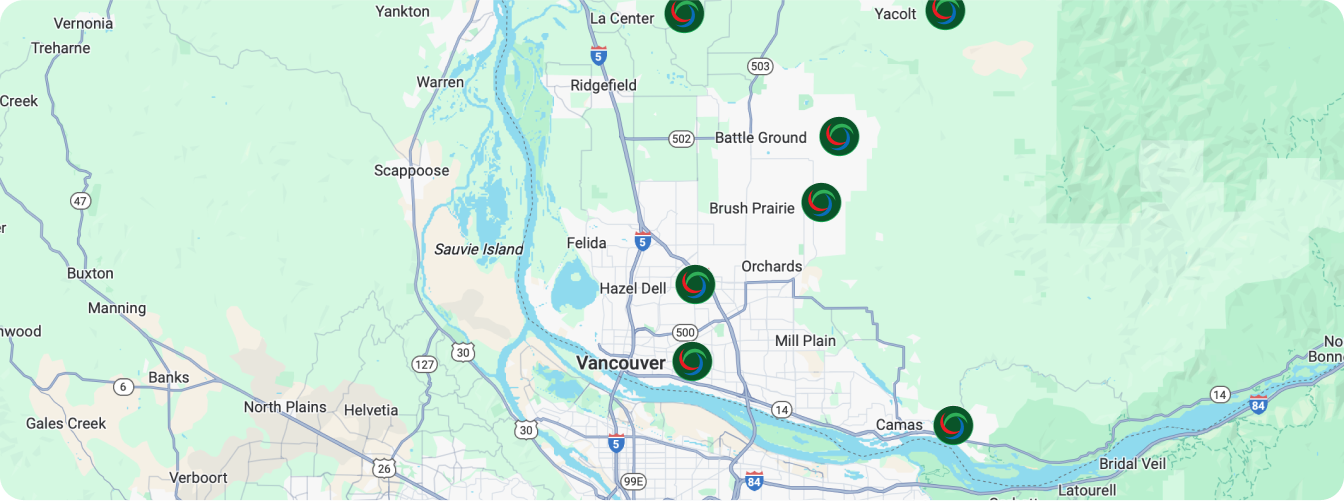
Heating Repair in Battle Ground, WA
For reliable heating repair in Battle Ground, WA, our comprehensive service covers furnaces, heat pumps, and hybrid systems to combat common issues like a system that won't start, short-cycling, uneven heating, or unusual noises. While we provide guidance on safe homeowner troubleshooting, our professional diagnostics can quickly pinpoint the root cause of the problem. We offer emergency and same-day service options with transparent estimates and clear pricing factors, performed by qualified technicians who adhere to strict safety practices. By choosing us for your repairs and following a schedule for regular maintenance, you can restore your home to reliable, efficient warmth, reducing future failures and ensuring a comfortable space for even the coldest winters.
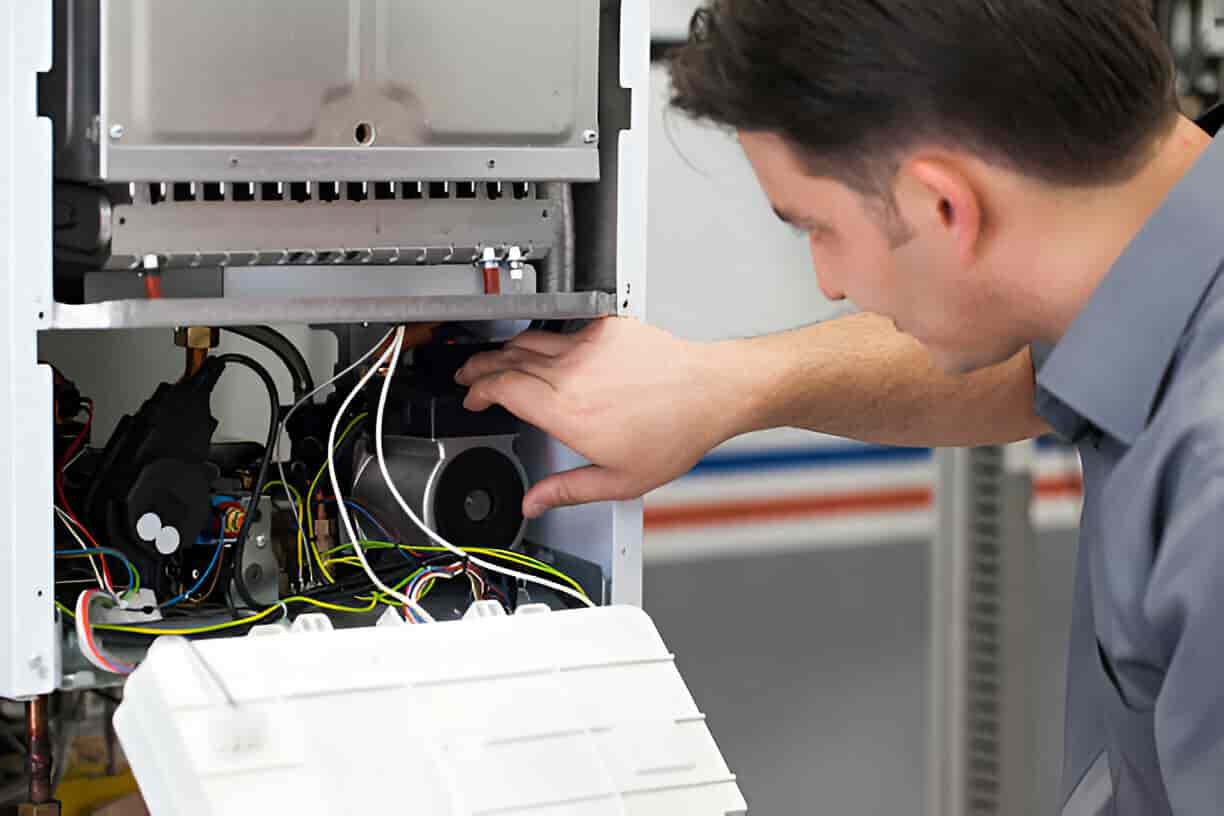
Heating Heating Repair in Battle Ground, WA
Keeping your home warm and safe during Pacific Northwest winters means having a heating system that responds reliably when you need it. Heating Heating Repair in Battle Ground, WA covers comprehensive diagnostics and repairs for furnaces, heat pumps, and hybrid systems commonly found in Clark County homes.
Why timely heating repair matters in Battle Ground
Battle Ground winters are cool, damp, and often overcast. That climate increases demand on heating systems and accelerates corrosion, condensate issues, and components wearing out faster than in milder, drier regions. Delaying repairs can reduce comfort, raise energy bills, and, with gas furnaces, increase safety risks like carbon monoxide exposure. Prompt, local heating repair helps restore efficiency, extend equipment life, and maintain safe operation for your household.
Common heating repair issues in Battle Ground homes
- Furnace won’t start: electrical faults, failed ignition or pilot, thermostat issues, or blocked air flow.
- Heat pump short-cycling or not heating: refrigerant problems, compressor faults, or control board errors—common after prolonged rainy seasons.
- Uneven heating or cold spots: duct leaks, airflow restrictions, or failing blower motors.
- Noisy operation: worn bearings, loose panels, ignition delays, or deteriorated belts.
- Frequent cycling and high bills: dirty filters, failing controls, or a failing heat exchanger.
- Safety-related failures: cracked heat exchanger, gas valve leaks, or venting problems requiring immediate attention.
Homeowner troubleshooting: safe steps you can take first
- Check thermostat settings and replace batteries if needed. Ensure it’s set to heat and the temperature is above current room temp.
- Inspect and replace the air filter if dirty. Restricted airflow is a leading cause of heat loss and equipment strain.
- Confirm breakers and switches: verify the furnace/heat pump breaker and the equipment switch near the unit are on.
- Look at vents and registers: ensure supply vents are open and not blocked by furniture.
- For gas furnaces: verify pilot light (older models) and listen for attempted ignition. Do not attempt complex gas repairs yourself.
- For heat pumps: if outside unit is covered in debris, clear leaves and ice carefully. Do not chip away ice; allow built-in defrost cycles to run or seek professional defrost service.
If these basic checks don’t restore operation, proceed to professional diagnostics—especially for gas, refrigerant, or electrical issues.
What a professional diagnostic and repair process includes
- Initial symptom interview and visible inspection of indoor and outdoor equipment.
- Electrical checks: voltage, control board diagnostics, and safety limit tests.
- Fuel/safety checks for gas systems: combustion analysis, gas valve function, venting, and heat exchanger inspection.
- Refrigerant and pressure checks for heat pumps: leak detection, compressor health, and reversing valve operation.
- Airflow assessment: blower motor performance, duct static pressure, and filter/coil inspection.
- Component-level testing: thermostats, ignitors, flame sensors, capacitors, belts, and motors.
- Clear documentation of findings and recommended repairs or replacement options, with an estimate for parts and labor.
Emergency and same-day repair options
Battle Ground’s winter weather makes emergency heating repair essential. Many local services provide:
- Rapid response windows (often within a few hours for emergency calls).
- Prioritized diagnostics for safety issues (gas odors, no heat in freezing conditions, or suspected carbon monoxide events).
- Temporary measures to restore heat while parts are ordered and installed, such as running auxiliary systems or installing replacement components.
Emergency repair availability varies by season; expect longer waits during extreme cold snaps.
Typical parts, labor, and pricing considerations (estimates)
- Diagnostic fee: often in a set range to cover onsite inspection and basic tests.
- Minor repairs (thermostat replacement, ignition sensor, condensate drain clearing): typically lower-cost brackets.
- Moderate repairs (blower motor, control board, gas valve): mid-range costs reflecting parts and labor.
- Major repairs or component replacements (heat exchanger, compressor): higher cost due to part complexity and labor.
- Labor hourly rates and parts pricing vary; seasonal demand and equipment age affect final cost. Homeowners should request itemized estimates showing parts, labor hours, and warranty coverage before authorizing work.
Technician qualifications and safety certifications
Professional heating repair technicians serving Battle Ground should hold:
- State licensing and contractor credentials required for work on gas and HVAC systems (licensed in Washington).
- EPA 608 certification for handling refrigerants when servicing heat pumps.
- NATE certification or equivalent industry training demonstrating competence with diagnostics and system design.
- Ongoing manufacturer training for warranty-sensitive repairs and replacements.
Technicians should follow safety best practices: carbon monoxide testing after gas-fired service, lockout/tagout for electrical work, and documented service records.
Expected response times and service transparency
- Typical non-emergency service visits are scheduled within 24–72 hours depending on season and demand.
- Emergency or safety-critical calls are often triaged for same-day or next-available service.
- A professional service will provide a clear timeline for repairs, parts lead times, and expected completion windows before starting work.
Maintenance tips to reduce repair needs
- Replace disposable filters every 1–3 months in high-use seasons.
- Schedule annual heating tune-ups in the fall to verify safe combustion, clean components, and optimize efficiency before heavy use.
- Keep outdoor heat pump units free of brush, leaves, and snow buildup.
- Maintain clear space around vents and intake grilles and ensure proper attic insulation to reduce system run time.
- Enroll in a maintenance plan with documented inspections to catch small issues before they become major repairs.
Heating Heating Repair in Battle Ground, WA means addressing both common Pacific Northwest stressors—moisture-related wear, frequent startup cycles, and aging equipment-and safety-critical concerns like gas combustion and carbon monoxide. Expect thorough diagnostics, licensed technicians with industry certifications, and transparent estimates for parts and labor. Quick homeowner checks can resolve some issues, but persistent, electrical, refrigerant, or gas-related faults require professional service to ensure safety and restore long-term reliability. Regular maintenance is the most effective way to reduce sudden failures and maintain efficient heating through Battle Ground winters.