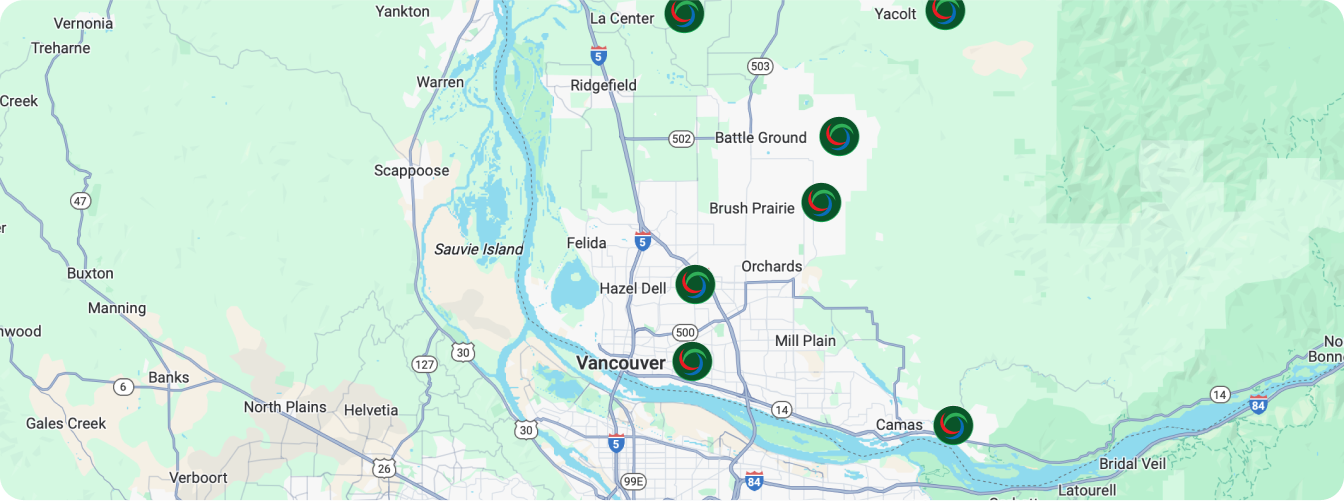
Heating Repair in Hazell Dell, WA
For homeowners in Hazell Dell, our HVAC repair services are designed to address a wide range of common issues that arise during our cool, damp winters. We specialize in diagnosing problems from ignition failures and thermostat faults to issues with blowers and compressors that cause poor airflow. Our process includes a thorough diagnostic with visual inspections, comprehensive safety tests, and component checks to pinpoint the exact issue. We provide clear repair options, discuss necessary parts, and offer transparent turnaround times and warranty considerations. Our guidance also includes maintenance tips to help you reduce future breakdowns and ensure your system operates safely and reliably all season long.

Heating Repair in Hazell Dell, WA
Keeping your home warm and safe during Hazell Dell winters means a heating system that runs reliably. Whether you have a gas furnace, heat pump, or boiler, understanding common failure scenarios, how technicians diagnose problems, repair options and parts, turnaround expectations, warranty considerations, and preventative maintenance will help you make an informed decision when your system needs attention.
Why timely heating repair matters in Hazell Dell
Hazell Dell sits in the Pacific Northwest climate zone where winters are cool, damp, and can feel colder because of humidity and wind. That makes efficient, reliable heating essential not only for comfort but for preventing issues like frozen pipes, moisture-related indoor air problems, and excess energy use. Prompt repairs restore comfort faster, often prevent more costly failures, and improve safety for gas-fired equipment.
Common heating issues in Hazell Dell homes
Homes in this area typically use heat pumps, gas furnaces, or boilers. The most common heating repair issues include:
- Furnace issues
- No heat or intermittent heat
- Ignition failure or faulty pilot
- Blower motor not running
- Strange noises (metallic knocking, rattling)
- Short-cycling (system turns on and off too frequently)
- Heat pump issues
- Weak heat output in cold, damp conditions
- Reversing valve or defrost cycle failure
- Compressor or capacitor problems
- Frozen outdoor unit or reduced airflow
- Boiler issues
- Low or no heat and cold radiators
- Leaks or pressure loss
- Circulator pump failure
- Strange boiler noises or uneven heating
- Thermostat and controls
- Incorrect thermostat calibration
- Wiring or control board faults
- Fault codes indicating safety lockouts
- Airflow and distribution
- Clogged filters, obstructed vents, or duct leaks that reduce performance
- Excessive humidity causing comfort complaints even when warm
Typical diagnostic steps
A professional diagnosis follows a logical sequence to pinpoint the root cause while keeping safety central:
Visual inspection
- Check the unit, electrical connections, filters, vents, and outdoor equipment for obvious issues like debris, ice, or water leaks.
Verify controls and thermostat
- Confirm the thermostat settings, batteries, wiring, and response to temperature changes.
Safety and fuel checks
- For gas systems verify gas supply and inspect ignition and flame; for electric systems check breakers and capacitors.
Functional testing
- Run the system through a cycle to observe blower, burners, heat pump modes, and burner flame or combustion characteristics.
Targeted electrical and refrigerant tests
- Measure voltages, currents, and for heat pumps check refrigerant pressures when needed.
Report and recommendation
- Provide clear findings, options for repair or replacement, parts needed, and estimated time to complete.
Common repair options and parts
Repairs can range from simple component replacements to larger system rebuilds. Typical parts and services include:
- Furnace parts: ignitors, flame sensors, gas valves, inducer motors, blower motors, belts, control boards
- Heat pump parts: capacitors, contactors, reversing valves, defrost sensors, compressors (major), expansion valves, refrigerant recharges where applicable
- Boiler parts: circulator pumps, pressure relief valves, expansion tanks, ignition modules, zone valves
- Controls and comfort: thermostats, control boards, relays, safety switches
- Airflow components: filters, fan motors, duct sealing, register repairs
Repair plans often include replacing worn small parts first to restore operation, or recommending a major component replacement when cost, age, and long-term reliability make it the better option.
Expected turnaround times
Turnaround depends on the problem complexity and parts availability:
- Basic repairs (filters, ignitors, capacitors, thermostat adjustments): often completed in 1 to 4 hours.
- Moderate repairs (blower motor replacement, heat pump capacitor/contactors, circulator pump): typically same-day to next-day if parts are in stock.
- Major component replacements (compressor, heat exchanger, full furnace or boiler sections): may require ordering parts and take 1 to 3 business days, sometimes longer for older or specialty models.
- System replacement or extensive retrofit work: scheduled over a few days to coordinate removal, installation, and commissioning.
Planning for seasonal peaks can affect parts lead times, so proactive maintenance before cold months reduces the risk of extended downtime.
Warranty considerations
Understanding warranties helps protect your investment:
- Manufacturer warranties: Many parts and systems carry limited manufacturer warranties that vary by component and model year. Compressor and heat exchanger warranties are often the longest.
- Aftermarket part warranties: Replacement parts may include a warranty from the distributor or parts manufacturer.
- Labor warranties: Repairs may come with a short-term labor warranty covering workmanship for a defined period.
- Documentation: Keep invoices, part numbers, and warranty documents for future claims. Warranty coverage may require professional installation or certified parts.
When evaluating repair vs replacement, factor warranty length on new components versus remaining life and warranty coverage of your existing system.
Safety and maintenance to prevent future breakdowns
Regular care extends system life and reduces emergency repairs. Recommended actions for Hazell Dell homes include:
- Annual tune-up before heating season
- Clean burners and heat exchanger, check combustion and venting on gas systems, test defrost operation on heat pumps, verify controls.
- Replace filters regularly
- Monthly to quarterly depending on filter type and household conditions.
- Keep outdoor units clear
- Trim back plants and remove debris from around heat pump outdoor units; ensure good airflow and reduce moisture buildup.
- Monitor carbon monoxide safety
- Install and test carbon monoxide detectors if you have gas or oil-fired equipment.
- Maintain proper thermostat settings
- Calibrate or replace aging thermostats for accurate control and efficiency.
- Schedule zone checks for hydronic systems
- Inspect radiators and zone valves, purge air from the system to maintain even heat distribution.
- Enroll in a maintenance program
- Regular inspections catch small issues early and preserve warranty eligibility on some systems.
Heating repair in Hazell Dell, WA requires a balance of timely diagnosis, safe repairs, and preventive maintenance tailored to local climate conditions. Knowing common issues for furnaces, heat pumps, and boilers, understanding diagnostic steps, and setting realistic expectations for repair time and warranties empowers you to choose the most reliable solution for your home. Proper maintenance is the best defense against unexpected cold-weather failures and helps keep heating costs under control while protecting indoor comfort and safety.