Heating Installation in Hazell Dell, WA
How professional heating installation in Hazell Dell, WA ensures comfort, efficiency, and safety through proper sizing, permitting, and commissioning. We cover equipment options (heat pumps, gas furnaces, hybrids, and ductless mini-splits) suited to cooler climates, with emphasis on load calculations (Manual J), airflow (Manual D), and insulation considerations. We outline the typical installation sequence, required permits, commissioning, warranty registration, and maintenance programs, plus guidance on replacement timing and post-installation care to maximize long-term performance.
Heating Installation in Hazell Dell, WA
Replacing or installing a new heating system is one of the most important decisions for your home’s comfort, energy bills, and indoor air quality. In Hazell Dell, WA, where winters are cool and wet with occasional cold snaps, the right system and proper installation make a big difference.
Why proper heating installation matters in Hazell Dell, WA
Hazell Dell homes benefit from efficient heating because the regional climate favors heat pumps for most of the heating season, but there are still times when gas furnaces or hybrid systems are desirable. Proper installation ensures:
- Even, comfortable temperatures during damp, chilly winters
- Lower energy use and predictable utility bills
- Safer operation for gas-fired equipment
- Longer system life and fewer surprise repairs
- Better indoor air quality and humidity management in older homes
Common heating installation projects in Hazell Dell
- New construction heating system design and installation
- Full replacement of aging or failing furnaces
- Heat pump installation or heat pump replacements (air-source and cold-climate models)
- Ductless mini-split systems for additions or homes without ducts
- Hybrid systems (heat pump + gas furnace) for balancing efficiency and backup heat
- Ductwork upgrades: sealing, insulation, and zoning to improve comfort and efficiency
How we design and size your heating system
Correct sizing starts with a load calculation, not rules of thumb. For reliable performance in Hazell Dell this includes:
- Manual J load calculation to determine heating and cooling loads by room
- Ductwork inspection and Manual D considerations to ensure proper airflow
- Evaluation of insulation, window orientation, and local infiltration (old vs. new construction)
- Consideration of occupant comfort preferences, zoning needs, and indoor air quality devices
A properly sized system avoids short cycling, reduces energy waste, and delivers quieter, more consistent heating in the damp Northwest climate.
Equipment options: furnace vs heat pump (and hybrids)
- Heat pumps
- Best for most Hazell Dell homes due to high seasonal efficiency in mild climates
- Cold-climate heat pumps maintain capacity in lower temperatures
- Provide both heating and cooling, reducing the need for a separate AC
- Efficiency indicated by HSPF and SEER ratings
- Gas furnaces
- Reliable heat during extended cold snaps or for homes without ductless/heat pump suitability
- High-efficiency condensing furnaces deliver good AFUE ratings
- Consider combustion safety checks and venting requirements
- Hybrid systems
- Combine a heat pump with a gas furnace, switching to furnace when outdoor temps drop
- Offer optimized energy use and consistent comfort
- Ductless mini-splits
- Ideal for room additions, garages, or homes lacking ductwork
- Zoning capability and high efficiency make them a flexible option
When selecting equipment for Hazell Dell, prioritize models designed for cooler climates, variable-speed compressors or modulating furnaces, and features that support quieter, balanced airflow.
Installation steps and permitting
Heating installation typically follows a clear sequence to meet local codes and deliver dependable operation:
- Site assessment and load calculations
- Equipment selection and parts ordering
- Permit application and approval (local building, gas and electrical permits often required in Clark County)
- Removal of old equipment and preparation of the installation area
- Ductwork modifications, sealing, and insulation as needed
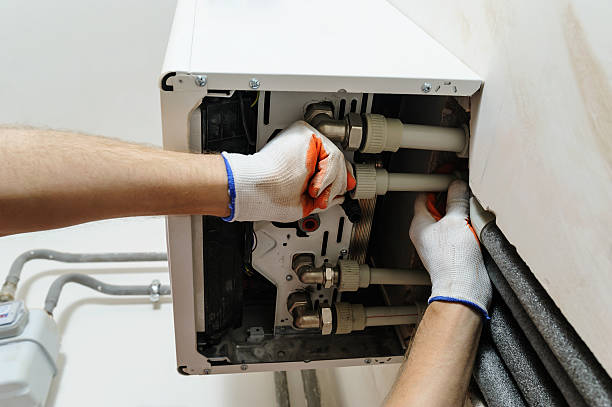
- Mechanical installation: refrigerant lines, gas connections, venting, condensate, electrical hookups
- Thermostat and control system installation, including zoning if specified
- Initial system startup, adjustments, and preliminary checks
- Official inspections by the authority having jurisdiction and final sign-off
Permits and inspections protect your home and ensure compliance with Washington State energy codes and Clark County requirements. Licensed contractors manage permit submissions and arrange inspections to avoid delays.
Testing, commissioning, and handoff
A thorough testing and commissioning process confirms the system operates as intended:
- Refrigerant charge and pressure checks for heat pumps
- Airflow measurements and duct leakage testing where needed
- Combustion and venting analysis for gas furnaces to verify safe operation
- Electrical checks and control verification
- Thermostat calibration and user interface orientation
- Performance verification under load to confirm comfort and efficiency targets
Commissioning includes documenting system settings, efficiency figures, and any warranty registrations. Expect a walkthrough that explains system operation, filter care, and recommended service intervals.
Warranties and integration with maintenance programs
Most new heating equipment carries both manufacturer warranties (compressor, heat exchanger, parts) and installer labor warranties. Proper registration and adherence to manufacturer startup requirements preserve coverage. Integrating your new system into a regular maintenance program provides:
- Seasonal tune-ups to maintain efficiency and catch small issues early
- Priority scheduling, documentation of service history, and consistent filter management
- Reduced risk of breakdowns and improved long-term performance
Maintenance is particularly important in Hazell Dell where damp conditions can accelerate corrosion, and routine inspections prevent efficiency loss and indoor air quality issues.
Signs you should replace rather than repair
Consider replacement when:
- Your furnace or heat pump is more than 12 to 15 years old
- Repair frequency and costs are rising
- You experience uneven heating, cold spots, or persistent indoor humidity problems
- Energy bills are increasing despite repairs
- Equipment uses outdated refrigerants or fails safety inspections
A timely replacement can yield immediate comfort improvements and energy savings.
- Confirm any proposed installation includes load calculations, proper ductwork evaluation, and clear documentation for permits and warranties.
- Ask about cold-climate heat pump options if you prefer an electric-first solution that still performs on colder days.
- Schedule seasonal maintenance and change filters regularly to protect warranty coverage and system life.
- Consider indoor air quality upgrades (ventilation, filtration, humidity control) as part of the overall heating plan for healthier indoor air in the damp Northwest climate.
A correctly designed and professionally installed heating system delivers reliable comfort, lower operating costs, and better indoor air quality for Hazell Dell homes. The combination of accurate sizing, permitted installation, careful commissioning, and ongoing maintenance is the most effective path to long-term performance and peace of mind.