Heating Maintenance in Yacolt, WA
Consistent, professional heating maintenance tailored to Yacolt conditions protects comfort, safety, and long-term value. Prioritizing scheduled tune-ups, thorough safety checks, and simple homeowner care keeps systems running reliably through the wet Northwest winters and the varying seasonal demands of local homes.
Heating Maintenance in Yacolt, WA
Keeping your heating system tuned and safe is one of the best ways to protect comfort, indoor air quality, and equipment value in Yacolt, WA. Routine heating maintenance addresses reliability issues caused by the Pacific Northwest climate - cool, damp winters, forested properties that collect debris, and homes that rely on a mix of gas furnaces, heat pumps, and ductless systems. A focused maintenance program reduces unexpected breakdowns, improves efficiency, and helps prevent dangerous problems such as carbon monoxide exposure.
Common heating maintenance issues in Yacolt homes
- Reduced heat output or inconsistent room temperatures - often caused by clogged filters, blocked vents, or an underperforming blower motor.
- Short cycling (system turns on and off frequently) - indicates airflow restriction, improper thermostat placement, or failing control components.
- Unusual noises (rattling, banging, squealing) - signs of loose parts, motor bearings wearing, or obstructed fans.
- Yellow pilot flame or soot buildup on furnaces - indicates poor combustion and a need for burner and flue inspection.
- Heat pump performance loss in cooler months - low refrigerant, dirty coils, or malfunctioning defrost cycles reduce efficiency.
- Odors, moisture, or mold near ducts - damp Yacolt winters can exacerbate indoor humidity problems and affect ductwork and indoor air quality.
What a complete heating maintenance visit includes
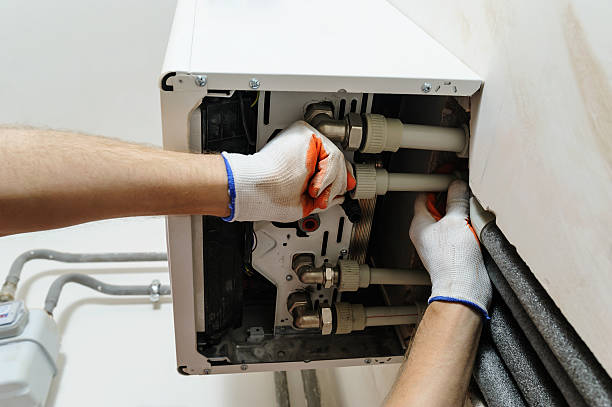
A professional seasonal tune-up is more than a quick check. Typical maintenance items include:
- System performance check and diagnostics: Verify system operating pressures, temperature rise, and cycle times to ensure safe, efficient operation.
- Filter inspection and replacement: Change disposable or clean reusable filters; recommend the right MERV level for balancing air quality and airflow.
- Burner and heat exchanger inspection: Clean burners, check flame quality, and visually inspect the heat exchanger for cracks or corrosion that can lead to carbon monoxide leaks.
- Combustion and venting safety checks: Test flue draft, inspect venting and chimney for blockages or corrosion, and measure combustion gases when applicable.
- Ignition, pilot, and safety control testing: Ensure reliable ignition and functioning high-limit and safety switches.
- Blower, motor, and belt servicing: Clean blower assembly, lubricate bearings where applicable, tighten belts and pulleys, and test motor performance.
- Ductwork and airflow assessment: Inspect accessible ducts for leaks, disconnections, or insulation issues that reduce efficiency.
- Heat pump-specific tasks: Check refrigerant levels, clean condenser/evaporator coils, verify defrost cycle operation, and test electrical components.
- Condensate drain cleaning: Clear drains and traps in high-efficiency systems to prevent backups and water damage.
- Electrical inspection: Tighten connections and test capacitors and relays to avoid premature failures.
- System controls and thermostat calibration: Confirm thermostat accuracy and communication with the heating system.
Each maintenance visit should include a summary of findings and recommended next steps so homeowners in Yacolt understand current system health.
Why safety checks matter
Safety checks are not optional. A cracked heat exchanger, obstructed vent, or improper combustion can produce carbon monoxide — an odorless, colorless gas that can be life-threatening. In Yacolt’s colder months, when furnaces run more often and homes are closed up, the risk increases. Professional maintenance includes combustion testing and visual inspections that homeowners cannot perform reliably, protecting your family and property.
Benefits of routine maintenance and maintenance plans
Regular maintenance delivers measurable value to Yacolt homeowners:
- Improved efficiency and lower energy costs: A tuned system operates closer to design performance, reducing wasted energy.
- Fewer emergency repairs: Routine inspections catch small problems before they turn into failures on the coldest days.
- Extended equipment life: Cleaning, lubrication, and component adjustments reduce wear and slow degradation.
- Better indoor air quality: Clean filters, ducts, and coils reduce dust, allergens, and mold risk in damp conditions.
- Documented service history: Regular maintenance records help with warranties and resale value.
- Planned budgeting: Predictable seasonal maintenance lowers the surprise factor for repair or replacement decisions.
Maintenance plans often include scheduled tune-ups, priority scheduling in peak season, and discounts on parts or repairs — features that make long-term ownership simpler for homeowners in Yacolt’s mixed rural and suburban environment.
Recommended schedule for Yacolt homes
- Annual furnace tune-up: At minimum once per year, ideally in early fall before heating demand spikes.
- Annual heat pump service: Inspect before the cold season; homeowners with hybrid systems may want checks twice per year.
- Filter checks: Replace or inspect every 1 to 3 months depending on filter type, household occupancy, and pets.
- Older systems or high-use households: Consider biannual inspections to stay ahead of wear and tear.
Scheduling maintenance before the first sustained cold snap is especially important in Yacolt where waiting can mean longer response times and discomfort during winter storms.
Easy homeowner tasks between professional visits
- Change or inspect filters regularly and use the recommended size and MERV rating.
- Keep vents and returns free of furniture, curtains, and dust.
- Maintain clearance around outdoor heat pump units and combustion vents; remove leaves and debris.
- Monitor thermostat settings and battery levels to ensure correct operation.
- Watch for warning signs like frequent cycling, reduced airflow, unusual smells, or visible soot.
Signs you need immediate professional attention
- Persistent smell of gas or fuel.
- Carbon monoxide alarm activation or unexplained symptoms like headaches or dizziness.
- Yellow or flickering pilot flame on a gas furnace.
- Soot buildup, persistent moisture near the furnace, or visible cracks in the heat exchanger.
- Complete loss of heat during cold weather or repeated short cycling.