Heating Installation in Yacolt, WA
A professional heating installation in Yacolt, WA, covering system types (gas furnaces, air-source heat pumps, ductless mini splits, hybrids, boilers), common local issues (load calculations, duct leakage, insulation, access, venting, wildfire smoke filtration), and a step-by-step installation process (load analysis, equipment selection, permits, pre-install ductwork, installation, commissioning, documentation). We outline permits and warranties, what to expect on installation day, long-term benefits-comfort, efficiency, air quality-and maintenance tips to maximize performance. It emphasizes safety, code compliance, and a thorough homeowner walkthrough.
Heating Installation in Yacolt, WA
Proper heating installation in Yacolt, WA matters more than ever. With cool, wet winters, occasional freezing nights, and homes ranging from newer builds to older rural properties, selecting and installing the right heating system affects comfort, safety, and energy bills.
Common heating system types in Yacolt homes
Choosing the right equipment depends on your home, fuel availability, and performance goals. Typical options for Yacolt include:
- Gas furnaces - Traditional, powerful heat source for colder nights; requires proper flue and combustion air.
- Air-source heat pumps - Efficient for mild Northwest winters and modern cold-climate models perform well down to lower temperatures.
- Ductless mini-splits - Good for additions, older homes without ducts, and targeted zone heating.
- Hybrid systems - Furnace paired with a heat pump for seasonal efficiency.
- Boilers - Hydronic heat for homes with radiators or in-floor systems.
Each option has tradeoffs in efficiency, upfront cost, and compatibility with existing ductwork or hydronic piping. In Yacolt, heat pumps have become increasingly attractive due to energy efficiency and rising interest in reducing fossil fuel use.
Common heating installation issues in Yacolt, WA
Local climate and housing stock create recurring challenges installers see in the area:
- Undersized or oversized equipment due to missing load calculations
- Leaky, undersized, or poorly insulated duct systems causing discomfort and inefficiency
- Older homes with inadequate insulation or single-pane windows that increase heat loss
- Difficult site access for larger equipment in rural properties
- Combustion venting and carbon monoxide risks in tight, weatherized homes
- Permitting and code compliance for gas and electrical work
- Wildfire smoke season increasing interest in filtration and sealed systems for indoor air quality
Addressing these now avoids recurring problems and higher operating costs later.
Professional heating installation process in Yacolt
A reliable installation follows a clear, documented process to ensure comfort, safety, and long-term value.
On-site load analysis and survey
- Conduct a Manual J-style heat loss and gain calculation that accounts for Yacolt-specific factors: home orientation, insulation levels, window types, air leakage, and local design temperatures.
- Inspect existing ductwork, combustion venting, attic and crawlspace access, and electrical panel capacity.
Equipment selection (sizing and recommendations)
- Use the load calculation to choose the right capacity and type (Manual S guidance).
- Compare efficiencies (AFUE for furnaces, HSPF/SEER for heat pumps) and compatibility with existing ducts or zoning needs.
- Discuss filtration and ventilation options to address wildfire smoke and humidity concerns.
Permits and code planning
- Prepare permit documentation, gas line plans, and electrical requirements per Washington codes and local jurisdiction standards.
- Coordinate inspections to meet safety and warranty conditions.
Pre-install preparation
- Tighten, repair, or redesign ductwork as needed to meet static pressure and airflow targets.
- Verify combustion air and venting for fossil fuel systems, and ensure condensate drainage and freeze protection for heat pumps.
Professional installation and integration
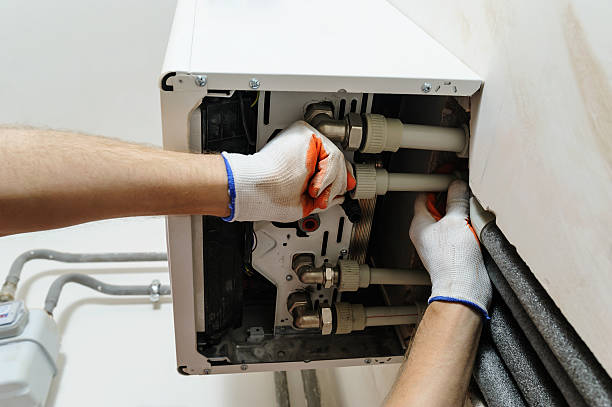
- Install equipment on proper mounts or pads; set flues and venting for furnaces or boilers; run refrigerant lines and electrical connections for heat pumps.
- Perform refrigerant charging to manufacturer specifications and measure airflow, static pressure, and combustion performance.
- Integrate thermostats, zoning dampers, or smart controls as specified.
Commissioning and post-installation performance checks
- Verify correct refrigerant charge, proper airflow, and system cycling.
- Test safety controls, carbon monoxide detectors, and flue draft where applicable.
- Measure temperature rise across the furnace or heat pump output to confirm capacity.
Documentation and homeowner walkthrough
- Provide system documentation, warranty registration guidance, maintenance recommendations, and an operational walkthrough so homeowners understand system settings and expected performance.
Permits, inspections, and warranties
Permits and inspections protect homeowners and ensure installations meet local building and safety codes. For gas-fired systems, inspection of gas piping, venting, and combustion safety is critical. Electric heat pump and heat pump replacement work often requires electrical permits. Manufacturer warranties cover equipment defects, while labor warranties cover installation workmanship. Proper permit filing and system registration are usually required to keep manufacturer warranties valid, so plan for permit timelines in Yacolt.
What to expect on installation day
A typical full-system installation for a single-family home can take from one to several days depending on scope. Expect:
- Removal of old equipment and careful disposal or recycling
- Temporary disruption to the work area and some noise
- Technicians performing duct sealing, electrical hook-ups, refrigerant line work, or new venting
- A final system commissioning and homeowner orientation
Homeowners should clear access to the work area and secure pets. Installers should protect floors and leave the site clean.
Long-term benefits and maintenance tips
Correct installation delivers measurable benefits:
- More even, reliable comfort throughout your home
- Lower energy use and predictable heating costs
- Better indoor air quality and humidity control
- Extended equipment life and fewer breakdowns
Simple maintenance extends performance:
- Change or clean filters regularly; consider higher MERV ratings during wildfire season
- Schedule annual maintenance for combustion systems and heat pumps
- Keep outdoor heat pump units clear of debris and vegetation
- Seal and insulate ducts and attics to reduce load
- Monitor thermostat schedules and consider smart controls for zoning efficiency
Heating installation in Yacolt, WA requires a local perspective: accounting for cool, damp winters, seasonal air quality concerns, and the mix of older and newer building types in the area. A professional approach that begins with an accurate load analysis, follows code and permitting requirements, and includes duct and combustion safety work results in a system that keeps your home comfortable, safe, and efficient for years. Whether you are replacing an aging furnace, moving to a heat pump, or adding ductless zones, careful installation and commissioning are the keys to long-term satisfaction and reliable performance in Yacolt homes.