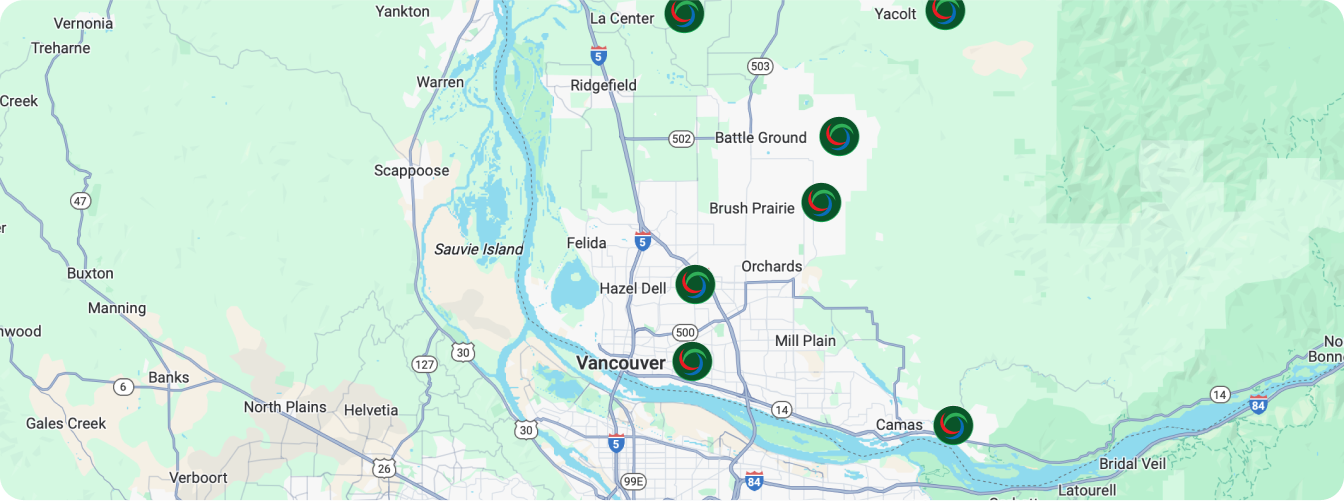
Heat Pump Service in Battle Ground, WA
A complete heat pump service in Battle Ground, WA, focusing on performance, safety, and longevity. What’s included (inspections, diagnostics, preventive care, repairs, seasonal tune-ups), emergency service expectations, and warranties. We addresses climate-specific issues such as moisture-related coil problems, refrigerant leaks, corrosion, and thermostat or control failures. The diagnostic process emphasizes system assessment, pressure checks, electrical testing, and airflow evaluation, followed by prioritized repairs and clear preventive maintenance guidance tailored to local conditions. Local notes.
.jpeg)
Heat Pump Service in Battle Ground, WA
Heat pumps are the leading choice for Battle Ground, WA homes that need efficient heating and cooling through our region's wet, mild winters and cool summers. Regular heat pump service keeps your system running efficiently, prevents unexpected breakdowns during cold, damp months, and helps control energy costs and indoor humidity.
What comprehensive heat pump service includes
A full heat pump service in Battle Ground, WA focuses on performance, safety, and longevity. Typical components of service are:
- Regular inspections: Visual and operational checks of outdoor unit, indoor air handler, controls, and ductwork.
- Diagnostics: Refrigerant charge testing, electrical system evaluation, compressor and fan operation checks, thermostat calibration, and defrost cycle verification.
- Preventive care: Coil cleaning, filter replacement or recommendation, drain and condensate line clearing, lubrication of moving parts where applicable, and sealing or balancing airflow.
- Repair options: From part-level repairs (capacitors, contactors, reversing valves, sensors) to more extensive component replacement (compressor, reversing valve assembly, indoor coil).
- Seasonal tune-ups: Pre-winter and pre-summer tune-ups tailored to Battle Ground’s climate patterns.
- Emergency service availability: Rapid response for sudden failures, refrigeration leaks, or safety-related issues.
- Service guarantees: Workmanship warranties and parts warranties to protect against premature failures.
Common heat pump issues in Battle Ground, WA
Battle Ground’s coastal-marine influence and year-round moisture create predictable patterns of wear and malfunction. Common issues include:
- Reduced heating capacity during cold snaps: Heat pumps struggle when outdoor temperatures dip well below normal winter averages, causing increased runtime and possible auxiliary heat reliance.
- Frozen outdoor coil or poor defrost performance: Persistent moisture and frequent temperature swings can lead to ice buildup if the defrost cycle or sensors fail.
- Corrosion and coil fouling: High humidity and airborne salts or pollutants can accelerate corrosion of outdoor coils and exposed components, reducing heat transfer.
- Refrigerant leaks: Small leaks reduce efficiency and can cause compressor strain; wet climates can hide performance changes until the loss is significant.
- Electrical failures: Moisture and cycling stress can lead to capacitor, contactor, and wiring failures.
- Airflow restrictions and indoor humidity complaints: Dirty filters, clogged coils, or duct leaks reduce comfort and increase energy use.
- Control or thermostat issues: Sensors and control boards exposed to moisture can fail or behave erratically, affecting defrost, reversing, or staging functions.
Diagnostic approach and what technicians check
A methodical diagnostic process identifies both symptoms and root causes to avoid repeat visits:
- Initial system assessment: Confirm system model, age, history, and any prior repairs or maintenance.
- Operational test: Run the system in heating and cooling modes to observe temperatures, pressures, and cycles.
- Refrigerant and pressure checks: Measure system pressures and superheat/subcooling to detect leaks or incorrect charge.
- Electrical inspection: Test capacitors, contactors, breakers, and wiring for proper voltages and signs of overheating.
- Airflow and duct evaluation: Inspect filters, return/grille locations, and visible duct runs for restrictions and leaks.
- Defrost and controls verification: Confirm defrost board timing, sensors, and reversing valve operation to prevent icing.
- Component inspection: Check compressor health, fan motors, bearings, and coil condition for corrosion or blockage.
Technicians typically document findings and present repair priorities: safety items first, efficiency-related items next, and long-term recommendations such as coil replacement or system upgrade when repair is no longer cost-effective.
Repair options and replacement considerations
Repair strategies focus on restoring reliable operation while considering system age and efficiency:
- Minor repairs: Replace capacitors, contactors, thermostats, sensors, fan motors, and perform refrigerant top-off when permitted and leak repaired.
- Moderate repairs: Repair or replace reversing valves, expansion devices, or indoor coils that have limited damage.
- Major repairs or replacement: Compressors or severely corroded coils often push a system toward replacement, especially for units older than 10–15 years where efficiency gains justify the investment.
- Parts and standards: Repairs should use OEM or equivalent parts installed to manufacturer specifications to preserve performance and warranty coverage.
- Temporary measures in emergencies: When a full repair is not immediately possible, temporary fixes such as isolating a leak or providing safe auxiliary heat are used until permanent repair.
Preventive maintenance tailored to Battle Ground homes
Preventive maintenance reduces failures and improves comfort in our local climate. A standard maintenance checklist includes:
- Clean or replace air filters every 1 to 3 months depending on use and indoor air quality.
- Clean outdoor and indoor coils annually; more often if pollen or dust is high.
- Inspect and test defrost system before winter.
- Check refrigerant levels and inspect for leaks.
- Lubricate motors and check belt condition if applicable.
- Inspect ductwork for leaks or insulation gaps; seal and insulate as needed.
- Test thermostat settings and calibrate sensors.
- Verify condensate drainage and clean drain pans to prevent mold or blockage.
Benefits of regular maintenance include improved energy efficiency, fewer emergency repairs, longer equipment life, and better humidity control during Battle Ground’s damp months.
Emergency service and service guarantees
Heat pump emergencies in Battle Ground commonly include refrigeration leaks, compressor failures, sudden loss of heating during cold spells, and electrical hazards. Emergency service typically provides:
- Rapid diagnostics to identify safety risks such as electrical faults or refrigerant exposure.
- Temporary measures to restore safe operation or provide alternative heating while permanent repairs are scheduled.
- Prioritized parts sourcing and expedited repair options when available.
Service guarantees usually cover workmanship for a specified period and parts warranties on replaced components. Guarantees should be clearly documented, specifying warranty duration, what is covered, and exclusions such as preexisting conditions or deferred maintenance.
Proper heat pump service in Battle Ground, WA addresses local climate challenges while maximizing comfort and efficiency. Regular inspections, accurate diagnostics, timely repairs, and a preventive maintenance plan reduce the likelihood of winter breakdowns and help your system deliver reliable, efficient heating and cooling year round.