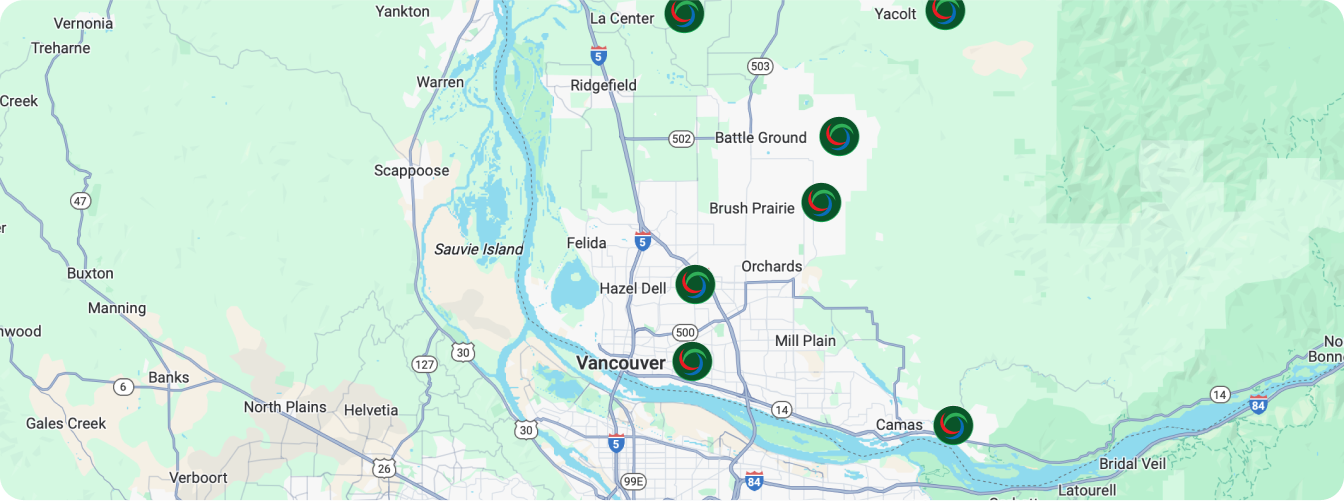
Heat Pump Maintenance in Battle Ground, WA
For Battle Ground homeowners, regular heat pump maintenance is essential to protect comfort, efficiency, and equipment life, especially given our wet climate. Seasonal tune-ups address common issues like reduced heating, dirty coils, and drainage problems, which can compromise performance. A comprehensive service includes a detailed inspection, filter changes, coil cleaning, refrigerant and electrical checks, and a full system lubrication.

Heat Pump Maintenance in Battle Ground, WA
Keeping your heat pump well maintained is one of the smartest ways to protect comfort, reduce energy costs, and extend equipment life in Battle Ground, WA. Because this area experiences cool, wet winters and mild, occasionally humid summers, heat pumps handle frequent heating cycles and deal with seasonal moisture and pollen. Routine heat pump maintenance ensures reliable performance through the damp winter months and efficient cooling when temperatures rise.
Why heat pump maintenance matters in Battle Ground, WA
- Battle Ground winters mean extended heating runtimes. That increases wear on compressors, reversing valves, and defrost systems.
- Persistent moisture and seasonal pollen can clog filters and coils faster than in drier climates, reducing airflow and promoting corrosion or mold in drainage lines.
- Proper maintenance preserves system efficiency, which matters in a region with mixed heating and cooling demands and rising energy costs.
- Timely inspections catch small issues before they cause uncomfortable breakdowns on the coldest nights.
Common heat pump issues in Battle Ground, WA
- Reduced heating capacity during long cold stretches caused by low refrigerant or frost/defrost cycle problems.
- Short cycling when thermostats are out of calibration or control boards have faults.
- Lower airflow from dirty filters, clogged coils, or blocked outdoor units because of leaves, pollen, and debris.
- Drainage problems and condensate backups during wet periods, potentially leading to indoor moisture and mold growth.
- Corrosion or premature failure on outdoor components exposed to recurring moisture.
- Noisy operation from failing motors, bearings, or loose components after heavy seasonal use.
What a seasonal tune-up includes
A full seasonal tune-up for heat pumps in Battle Ground, WA focuses on efficiency, reliability, and safety. Typical tune-up tasks include:
- Visual inspection of indoor and outdoor units for physical damage, corrosion, and debris.
- Filter check and cleaning or replacement to restore proper airflow and indoor air quality.
- Coil cleaning (indoor evaporator and outdoor condenser) to maximize heat transfer.
- Refrigerant system check including pressure readings and leak assessment when levels are low.
- Thermostat calibration and controls verification to ensure accurate temperature control and proper staging.
- Electrical inspection of contactors, capacitors, fuses, and wiring for tight connections and safe operation.
- Lubrication of motors and moving parts where applicable to reduce friction and noise.
- Defrost system and reversing valve checks to confirm correct operation in cold, damp weather.
- Airflow verification and duct inspection to identify restrictions or leaks that reduce system effectiveness.
- Condensate drain and pan inspection and cleaning to prevent backups and microbial growth.
- Performance test to measure temperatures, pressures, and run cycles and compare against manufacturer specifications.
Diagnostic inspection: what technicians look for and why it matters
A thorough diagnostic inspection goes beyond surface checks. Technicians will:
- Measure superheat and subcooling to confirm refrigerant charge is correct and detect leaks.
- Test electrical components under load to spot failing capacitors or motors before they fail.
- Monitor run cycles and temperature splits to determine if the system is operating near rated capacity.
- Inspect defrost sequences during colder conditions to ensure timely melting of frost without unnecessary energy use.
- Check airflow at vents and across coils; poor airflow is a leading cause of decreased efficiency and compressor stress.
These diagnostics pinpoint root causes so repairs address the underlying problem, not just symptoms. That reduces repeat visits and unexpected failures.
Common repairs and solutions explained in plain terms
- Low refrigerant: Technicians locate and repair leaks, then recharge to the correct level. Running with low refrigerant damages compressors and lowers efficiency.
- Dirty coils/filters: Cleaning restores heat exchange and airflow, which lowers energy use and prevents freeze ups.
- Faulty reversing valve or defrost control: Repairing or replacing these restores reliable heating during cold, damp weather and prevents prolonged icing.
- Electrical component replacement: Replacing weak capacitors or worn contactors reduces hard starts, noise, and the chance of sudden failure.
- Drain line unclogging and pan treatment: Clearing blockages and treating pans reduces indoor moisture issues and microbial growth.
- Thermostat replacement or recalibration: Ensures correct setpoints, eliminates short cycling, and improves comfort consistency.
Benefits of regular maintenance and maintenance plans
- Lower operating costs: Clean, well-tuned systems use less electricity to produce the same comfort.
- Fewer emergency repairs: Inspections catch wear and leaks early before they cause breakdowns.
- Longer equipment life: Routine lubrication, cleaning, and adjustments reduce stress on major components.
- Preserved manufacturer warranties: Many warranties require documented annual maintenance.
- Improved indoor air quality: Clean filters and drains reduce dust, pollen, and mold risks—important in a moist Pacific Northwest climate.
- Priority scheduling and predictable upkeep: Regularly scheduled service helps homeowners avoid the coldest nights without heat.
Maintenance plans typically bundle seasonal tune-ups, documentation for warranties, and scheduled visits that align with local seasonal needs. For Battle Ground homes, planning maintenance in early fall for heating and late spring for cooling prevents peak-season stress.
Maintenance tips Battle Ground homeowners can do between services
- Replace or clean filters every 1 to 3 months when the system is in regular use, and more often during high pollen season.
- Keep at least two feet of clearance around the outdoor unit; remove leaves, grass clippings, and debris promptly.
- Check vents for blockages and make sure furniture or curtains are not restricting airflow.
- Inspect condensate drains for slow drainage or visible buildup; a quick flush can prevent clogs.
- Observe the system during the first cold nights of the year and listen for unusual noises or short cycles to catch problems early.
Regular, professional maintenance tuned to Battle Ground conditions reduces breakdown risk and keeps your heat pump operating efficiently. With the right seasonal tune-ups, diagnostics, and simple homeowner care, a properly maintained heat pump delivers dependable comfort and lower operating costs year after year.