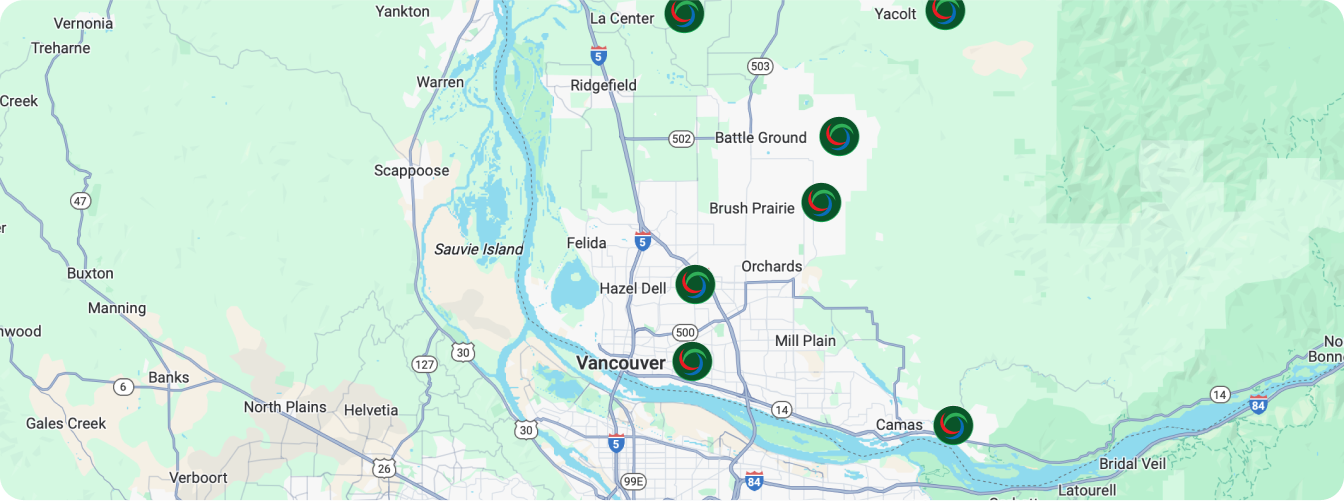
Air Conditioning Tune-Up in Ridgefield, WA
Keeping your air conditioner tuned and ready is one of the most effective ways to maintain comfort, lower energy bills, and prevent breakdowns in Ridgefield, WA homes. A professional air conditioning tune up inspects and optimizes every major component of your system - from coils and refrigerant to airflow and thermostat settings - so your AC runs reliably during warm, humid Pacific Northwest summers and heat spikes that occasionally affect the region.

What an Air Conditioning Tune Up Covers
A full AC tune up addresses mechanical, electrical, and airflow issues that commonly degrade performance. Typical tune-up tasks include:
- Comprehensive component inspection: Visual and operational checks of compressor, contactors, capacitors, blower, fan motors, and electrical connections.
- Evaporator and condenser coil cleaning: Removing dust, pollen, and residue that reduce heat transfer and efficiency.
- Refrigerant check and leak detection: Verifying proper charge and identifying leaks that cause reduced cooling and higher energy use.
- Thermostat calibration and controls check: Ensuring accurate temperature sensing and correct cycle times for comfort and efficiency.
- Airflow optimization: Inspecting and adjusting blower speed, checking return and supply vents, and testing static pressure to restore proper airflow.
- Filter inspection and replacement guidance: Evaluating filter condition and recommending the right filtration to balance indoor air quality and airflow.
- Condensate drain cleaning: Clearing clogs to prevent water damage and microbial growth on coils and in ducts.
- Electrical safety tests and tightening: Preventing failures due to loose connections or worn components.
- Performance testing: Measuring refrigerant pressures, temperature split, and system runtime to quantify system efficiency.
Common AC Problems in Ridgefield Homes
Ridgefield’s mild, humid summers and occasional heat waves create conditions that reveal certain AC weaknesses. Common issues discovered during tune ups include:
- Restricted airflow - caused by dirty filters, blocked vents, or a fouled blower wheel; leads to uneven cooling and frozen coils.
- Dirty coils - typical in humid climates; reduces efficiency and capacity.
- Low refrigerant or leaks - causes reduced cooling and longer runtimes.
- Short cycling - frequent on-off cycles due to thermostat issues, electrical faults, or improper refrigerant charge.
- Electrical wear - corroded contacts and failing capacitors that cause hard starts or noisy operation.
- Thermostat miscalibration - inaccurate readings can make the system run longer than necessary.
- Condensate drain clogs and mold growth - more common here because of moisture, creating odors and IAQ concerns.
- High energy use - older or poorly maintained systems can see energy use jump noticeably without obvious symptoms.
The Tune-Up Process - What to Expect
A professional tune up follows a systematic diagnostic and service workflow so nothing is overlooked:
- System history and visual inspection - note any past issues and perform a visual check for obvious damage.
- Electrical and safety checks - test breakers, fuses, contactors, and capacitors for safe operation.
- Airflow and filter evaluation - inspect filters and vents; measure airflow to detect restrictions.
- Coil cleaning and condensate service - clean evaporator and condenser coils; clear and treat condensate drains.
- Refrigerant system check - measure pressures and temperatures to verify proper refrigerant charge; scan for leaks.
- Thermostat calibration and control test - confirm setpoints match actual conditions and test programming features.
- Operational performance test - run the system to measure temperature split, efficiency indicators, and runtime.
- Final report and recommendations - document findings, explain any needed repairs, and suggest maintenance cadence or upgrades.
Most tune ups are completed during a single visit and typically take about one to two hours depending on system complexity and any discovered issues.
Energy Efficiency Benefits and Expected Savings
A well-executed tune up improves comfort and can reduce energy use because the system does not have to work as hard to reach set temperatures. Homeowners commonly see:
- Improved cooling capacity and steadier temperatures throughout the home
- Reduced runtime and lower electricity use - often a 10 to 30 percent improvement depending on the condition of the system
- Extended equipment life by reducing stress on components like compressors and motors
- Fewer emergency repairs and less likelihood of mid-summer failures
Tune-ups also help your system operate closer to its rated SEER (Seasonal Energy Efficiency Ratio), making investments in replacement or upgrades easier to evaluate.
Seasonal Timing and Maintenance Plans for Ridgefield
Spring is the ideal time for an AC tune up in Ridgefield - before higher cooling demand and heat events. Annual maintenance is recommended for most systems; homes with heavy use, poor indoor air quality, or frequent wildfire smoke exposure may benefit from semi-annual service.
Maintenance plans typically bundle tune ups with priority scheduling, filter replacement reminders, and seasonal checks for both cooling and heating equipment. Regular maintenance is especially valuable in Ridgefield’s humid environment where moisture-related issues can accelerate wear.
Indoor Air Quality and Filter Guidance
Tune ups reduce airborne particles by ensuring coils and drain pans are clean and filters are functioning. Ridgefield homeowners should consider:
- Using higher-efficiency filters (MERV 8–13) for pollen and smoke capture while monitoring airflow-higher MERV can restrict older systems.
- Replacing disposable filters on a regular schedule-monthly for heavy use or smoke/pollen seasons, otherwise every 2–3 months.
- Considering supplemental IAQ solutions if your home is affected by wildfire smoke or high pollen counts, such as portable air cleaners or electronic air cleaners compatible with your system.
Practical Tips to Keep Your AC Efficient Between Tune-Ups
- Keep the outdoor condenser clear of leaves, grass, and debris; maintain at least 2 feet of clearance.
- Shade the outdoor unit without enclosing airflow to improve efficiency.
- Change or clean filters regularly and keep supply and return vents unobstructed.
- Program the thermostat for sensible setbacks and avoid short cycles by allowing gradual temperature changes.
- Seal and insulate ducts where accessible to avoid conditioned air loss.
A professional air conditioning tune up in Ridgefield, WA protects comfort and efficiency, reduces the risk of costly mid-summer failures, and supports healthier indoor air - all especially important given local humidity patterns and seasonal smoke events. Regular, documented maintenance helps your system perform reliably and economically for years to come.