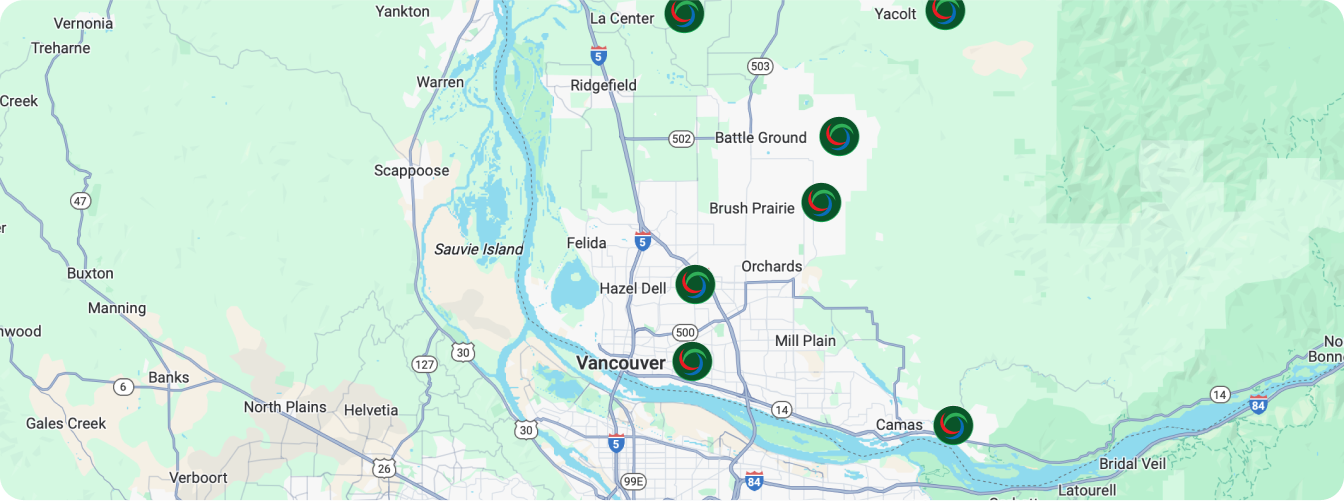
Air Conditioning Repair in Ridgefield, WA
Keeping your home comfortable through Ridgefield summers and sudden heat events depends on a reliable air conditioning system. The goal is to help Ridgefield homeowners make informed decisions about AC repair and longevity.
.jpeg)
Why timely AC repair matters in Ridgefield, WA
Ridgefield sees generally mild Pacific Northwest summers but experiences increasing frequency of heat spikes and poor air quality events from wildfires. A failing AC during a heat wave or when smoke makes indoor air hazardous can create serious comfort and health issues. Prompt repair preserves system efficiency, avoids higher energy bills, and prevents damage that leads to costly replacements. Local humidity, spring pollen, and seasonal debris can also accelerate common faults like clogged drains and dirty coils.
Common air conditioning repair issues in Ridgefield, WA
- Refrigerant leaks - Low refrigerant reduces cooling capacity and forces the compressor to overwork. Older systems that use R-22 are especially expensive to recharge.
- Compressor problems - The compressor is the heart of the outdoor unit; electrical failure or mechanical wear can stop cooling entirely.
- Capacitor and contactor failures - These electrical components are common wear items that cause motors or compressors to fail to start.
- Thermostat faults - Incorrect settings, dead sensors, wiring issues, or failed thermostats can make a healthy system appear broken.
- Airflow restrictions - Dirty filters, blocked vents, or failing blower motors reduce airflow and cause freezing or overheating.
- Condenser or evaporator coil issues - Dirt, corrosion, or physical damage reduces heat transfer and system efficiency.
- Condensate drain clogs - Moisture backups can cause water damage and trigger safety switches that shut the system down.
- Control board and sensor failures - Electronic control issues present as intermittent operation or error codes.
Diagnostic steps technicians use
A methodical diagnosis ensures repairs address root causes, not symptoms. Typical steps include:
- Visual inspection - Check outdoor unit, refrigerant lines, electrical panels, filters, and duct access points for obvious issues.
- Thermostat verification - Confirm settings, calibration, and wiring continuity.
- Electrical tests - Measure voltage and current to motors, compressors, capacitors, and contactors.
- Airflow assessment - Inspect filter condition, blower operation, and supply/return vents for restrictions or leakage.
- Refrigerant pressure checks - Use gauges to verify charge and to locate likely leaks if undercharged.
- Coil inspection - Check evaporator and condenser coils for dirt, corrosion, or damage.
- Drain line examination - Clear and test condensate drains and secondary pan safety switches.
- Operational run test - Run the system while monitoring temps, pressures, and electrical draw to confirm repair.
Technicians document findings and explain whether the issue is repairable, requires parts replacement, or indicates system age and efficiency concerns that make replacement a better option.
Emergency repairs vs scheduled repairs
- Emergency repair scenarios
- No cooling during a heat wave or when occupants are vulnerable
- Refrigerant leak with rapid loss of cooling and pooling liquid
- Burning smells, smoke, or electrical arcing
- Major water leaks threatening property
- Compressor or motor seizing with loud banging or sparks
- Scheduled repair scenarios
- Intermittent noises or reduced cooling
- Higher than normal electric bills over time
- Routine component replacement (capacitors, contactors, sensors)
- Preventive fixes found during maintenance inspections
Understanding the difference helps prioritize service and manage safety and comfort risks.
Parts availability and what to expect
Parts availability depends on equipment age and refrigerant type. Newer systems use common replacement parts that are usually in local supply. Older systems, particularly those using R-22 refrigerant, may require hard-to-find parts or phased-out refrigerant that is costly to source. Technicians often carry common wear parts on service trucks for faster repairs; specialty parts may require ordering with lead times. When parts are unavailable locally, temporary measures (like bypassing a failed noncritical sensor) may restore cooling until the correct part arrives.
Warranty considerations and documentation
- Manufacturer warranties typically cover major components like compressors for a defined period and require proper maintenance records and registration.
- Part warranties vary by manufacturer and aftermarket suppliers; labor warranties often differ from parts warranties.
- Labor warranties provided by service contractors can cover workmanship for a limited time after repair.Keep receipts, service records, and serial numbers. If a system is still under manufacturer warranty, authorized repair by qualified technicians is usually required to keep coverage valid. Discuss warranty terms before approving repairs and ask for written documentation of any warranty on parts and labor.
Maintenance tips to prevent future breakdowns
- Schedule an annual tune-up before summer to catch issues before peak use.
- Replace or clean filters every 1 to 3 months depending on usage and indoor air quality needs.
- Keep the outdoor unit clear of leaves, grass, and debris; trim vegetation at least 2 feet away.
- Protect the outdoor unit in late fall to reduce rust and debris buildup from winter moisture.
- Monitor and clear condensate drains to prevent clogs and water damage, especially during wet seasons when algae and moss growth are more likely.
- Upgrade thermostats to programmable or smart models for better control and reduced wear.
- Balance filter efficiency with airflow during wildfire season: higher MERV filters capture smoke but may reduce airflow if the system blower is weak.
- Document maintenance and service history to preserve warranties and inform future repair decisions.
Repair vs replace considerations
When evaluating whether to repair or replace, consider:
- Age of the system (most AC systems are near end of useful life after 12 to 15 years)
- Cost of repair compared to replacement cost and expected remaining life
- Frequency of past repairs
- Energy efficiency loss and potential energy savings with a newer high-SEER unit
- Availability and cost of parts and refrigerant
In Ridgefield, the best time for replacement is before the summer heat or when recurring repairs begin to outpace the benefits of an older system.
A clear understanding of the air conditioning repair process, common issues in Ridgefield, WA, and steps to prevent future problems empowers homeowners to make confident decisions about service and system longevity. Regular maintenance, timely repairs, and informed warranty management will help keep indoor comfort reliable through Ridgefield’s seasonal weather and air quality challenges.