Air Conditioning Tune-Up in Orchards, WA
A seasonal air conditioning tune up is one of the most cost-effective ways to keep your home comfortable, lower energy use, and avoid mid-summer breakdowns. In Orchards, WA, where warm, humid summer days follow wet, pollen-heavy springs, AC systems face unique stresses: higher run-times, clogged filters, and moisture-related issues. A professional tune up prepares your system for heavier use, improves reliability, and helps maintain cooling performance when you need it most.
Common AC issues in Orchards, WA homes
- Reduced cooling capacity during heat waves
- Rising energy bills despite normal thermostat settings
- Short cycling or frequent on/off cycles
- Noisy outdoor or indoor units after seasonal storms
- Frozen evaporator coils from restricted airflow or low refrigerant
- Water leaks or overflowing condensate pans due to clogged drains
- Thermostat inaccuracy or inconsistent temperature from room to room
Addressing these problems proactively through a tune up avoids emergency service calls and extends the working life of your system.
What an Air Conditioning Tune Up Includes
A thorough AC tune up follows a clear checklist so nothing important is missed. Typical tasks include:
- Clean coils (evaporator and condenser) - Removes dirt that reduces heat transfer and efficiency.
- Check refrigerant levels and inspect for leaks - Ensures the system has the right charge for optimal cooling.
- Inspect electrical components - Test capacitors, contactors, wiring connections, and breakers for safety and reliability.
- Lubricate motors and moving parts - Reduces wear and prevents noisy operation in fans and blowers.
- Test and calibrate thermostats - Verifies accurate temperature control and proper communication with the system.
- Measure airflow and static pressure - Checks blower performance, filter condition, and duct restrictions that cause poor cooling.
- Inspect and clear condensate drain and pan - Prevents water damage and microbial growth from clogs.
- Examine refrigerant lines and insulation - Ensures proper insulation and prevents energy loss.
- Check fan blades, belts, and mounts - Addresses wear and imbalance that cause vibration and premature failure.
- Perform a system performance test - Measure temperature split (supply vs return), amperage draw, and overall operation to confirm efficient cooling.
Each item on the checklist is documented so you see what was inspected, what was adjusted, and any recommended repairs.
Diagnostic process and tools explained
Technicians use a combination of visual inspection and diagnostic tools to evaluate your AC system. Common tools and checks include:
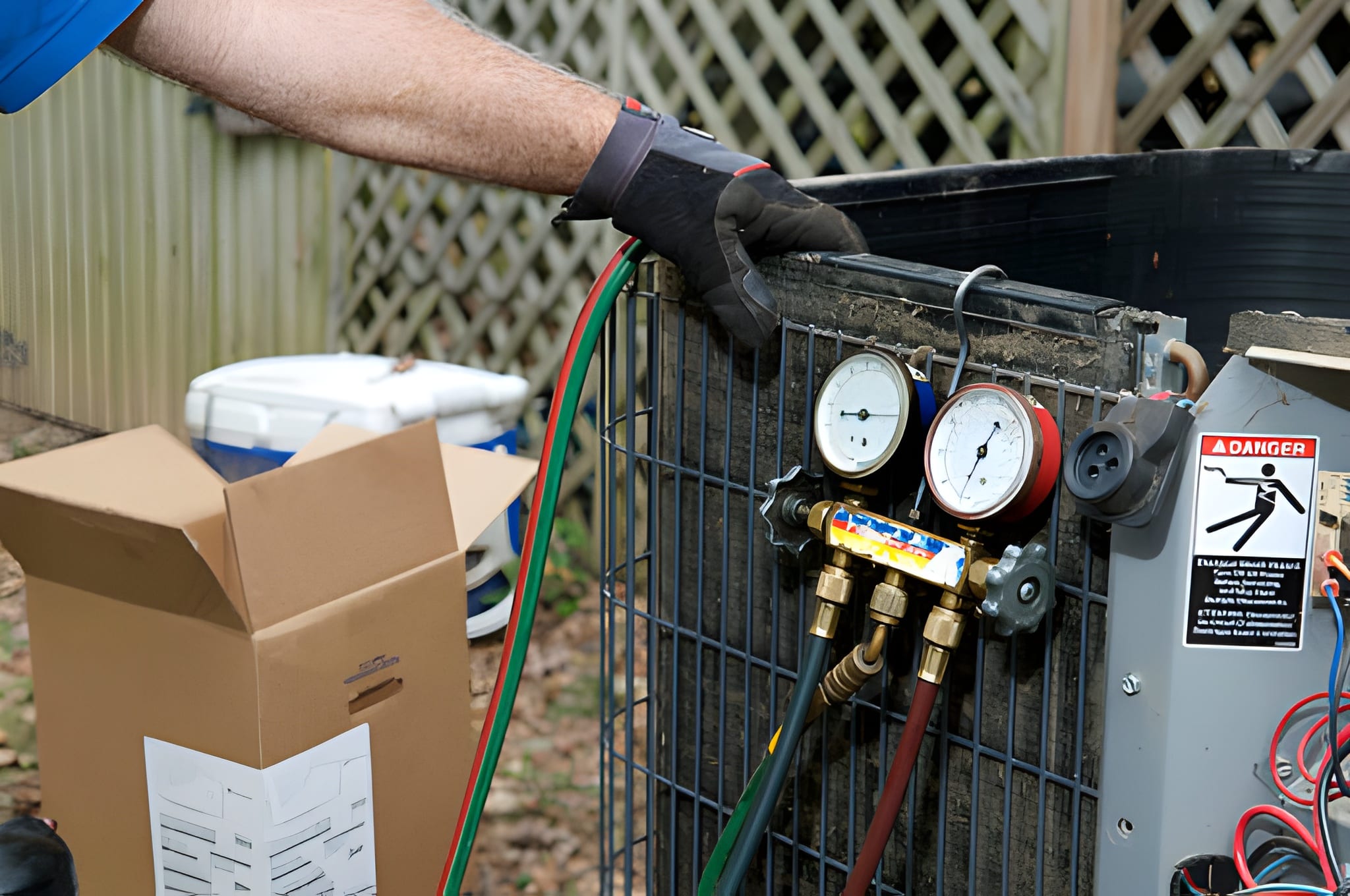
- Refrigerant gauges to verify system charge
- Clamp meters to measure current draw on motors and compressors
- Thermometers to record temperature differences across the evaporator (temperature split)
- Leak detectors for locating refrigerant leaks
- Manometers or specialized airflow meters to assess duct and blower performance
- Infrared cameras or thermal sensors to spot hotspots in electrical components
These diagnostics allow a technician to separate minor maintenance tasks from repairs that need prompt attention.
Estimated duration and scheduling considerations
- Typical single-family split-system tune up: 60 to 90 minutes.
- Older systems, multi-zone systems, or units with difficult access may take up to 2 hours.
- If repairs are needed (refrigerant leak, electrical parts replacement), additional time is required.
In Orchards, scheduling a tune up in spring before the hottest months is recommended so your AC is ready when temperatures rise. For heat pump systems used for both heating and cooling, consider a fall check as well to prepare for winter operation.
Benefits of regular tune ups
- Improved efficiency - Routine maintenance often restores several percentage points of efficiency, lowering energy use.
- Reduced risk of breakdowns - Addressing worn parts and small issues prevents failures during peak demand.
- Longer equipment life - Lubrication, cleaning, and adjustments reduce wear and tear.
- More consistent comfort - Balanced airflow and calibrated thermostats reduce hot and cold spots.
- Better indoor air quality - Clean coils, drain lines, and attention to filters reduce mold and allergens — important during Orchards’ high-pollen seasons.
- Warranty and documentation - Regular, documented maintenance helps protect manufacturer warranties and provides service history for future needs.
How tune ups tie into maintenance plans
Maintenance plans typically include scheduled tune ups paired with priority service, seasonal reminders, and maintenance records. For Orchards homes these plans are especially valuable because seasonal pollen, rainy weather, and fluctuating temperatures increase the likelihood of filter clogs and condensate issues.
Typical maintenance plan benefits (without pricing specifics):
- Scheduled annual or biannual inspections and tune ups
- Priority scheduling during high demand periods
- Documentation that helps maintain manufacturer warranty requirements
- Planned preventative care that reduces emergency repair likelihood
Many homeowners find that a maintenance plan tailored to their system type-air conditioner vs. heat pump-provides the best protection and predictable upkeep.
Common repairs uncovered during tune ups
A well-executed tune up often uncovers items that should be repaired to restore full performance. Common discoveries include:
- Refrigerant leaks requiring leak repair and recharge
- Failed capacitors or contactors that cause starting issues or reduced efficiency
- Worn blower motors or bearings leading to reduced airflow and noise
- Clogged condensate drains requiring cleaning to prevent water damage
- Thermostat failures or miscalibration that cause comfort problems
- Corroded wiring or loose electrical connections posing reliability and safety risks
Technicians explain the priority and expected impact of each recommended repair so you can make an informed decision.
Homeowner tips to maximize tune-up value
- Replace or check HVAC filters every 1 to 3 months during heavy use periods.
- Keep at least 2 feet of clear space around the outdoor unit and trim vegetation back.
- Shade outdoor equipment (without restricting airflow) to reduce run-time on hot days.
- Maintain consistent thermostat settings and consider programmable or smart thermostats for efficiency.
- Check vents and registers for obstructions and keep return vents open.
- Schedule a pre-season tune up annually, ideally in spring.
Regular homeowner attention between professional tune ups preserves efficiency and reduces the chance of unexpected problems.
An air conditioning tune up in Orchards, WA protects comfort and helps avoid the inconvenience and expense of mid-season failures. With a clear checklist covering coils, refrigerant, electrical systems, motors, thermostats, and airflow, tune ups deliver measurable benefits: improved efficiency, better indoor air quality, and more reliable cooling when temperatures climb. For homes in Orchards dealing with humidity and seasonal pollen, annual professional maintenance is a practical step to keep your system running smoothly and efficiently year after year.