Air Conditioning Tune-Up in Battle Ground, WA
A seasonal or annual air conditioning tune up in Battle Ground, WA keeps your system running reliably, efficiently, and safely when Clark County’s warmest days arrive. Regular tune ups reduce the risk of mid-summer breakdowns, restore peak cooling performance, and protect equipment life-all important for local homes that face humid Pacific Northwest summers, heavy spring pollen, and occasional wildfire smoke that stresses filters and coils.
Why a tune up matters for Battle Ground homes
- Humidity and condensate issues: Higher humidity levels in late spring and summer increase condensate output. Clogged drains or slow pans in local homes can lead to water damage, mold growth, and system shutdowns.
- Pollen and debris: Battle Ground’s tree cover and spring bloom deposit dust and pollen on outdoor coils and indoor filters, reducing airflow and efficiency.
- Seasonal temperature swings: Short but warm cooling seasons mean your AC sits idle for months; lubrication, belt tension, and electrical checks prevent failure when you turn it on.
- Air quality concerns: Wildfire smoke events and pollen spikes mean a properly serviced system with clean filters and functioning coils has a big impact on indoor air quality.
Common air conditioning tune up issues in Battle Ground, WA
- Poor cooling or longer run times
- Frequent cycling or short-cycling
- Water or moisture around the indoor unit
- Unusual noises from the outdoor unit or blower
- Inaccurate thermostat readings or temperature inconsistencies between rooms
- Higher-than-normal energy bills after the first few warm days
What an annual AC tune up covers
An effective tune up is a comprehensive inspection, cleaning, and performance test. Typical components and checks include:
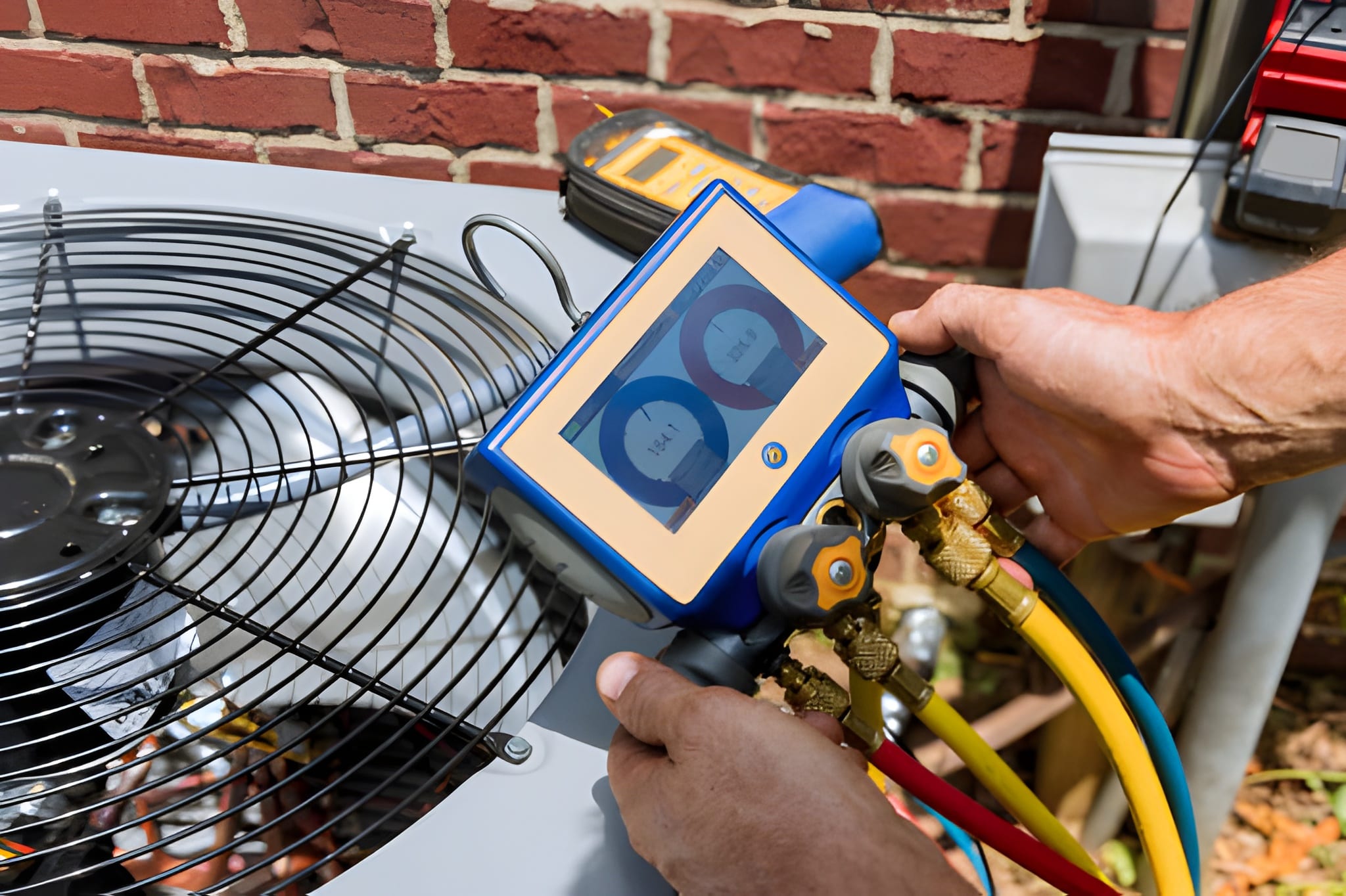
- Refrigerant level check and leak assessment
- Measure system pressures to verify correct refrigerant charge.
- Inspect lines and connections for visible leaks. Low charge reduces cooling capacity and increases run time.
- Coil inspection and cleaning
- Clean evaporator and condenser coils to restore heat transfer efficiency.
- Remove debris, leaves, and pollen buildup from the outdoor condenser to improve airflow.
- Condensate drain and pan service
- Clear clogs and flush drain lines to prevent backups, stains, or mold.
- Inspect secondary drain safety switches and pans in crawlspace or attic installations.
- Belts, motors, and fan inspection
- Check motor bearings, fan blades, and belt tension where applicable.
- Lubricate moving parts when required and test fan motors for correct operation.
- Thermostat calibration
- Verify thermostat accuracy and location; recalibrate or recommend replacement if readings are off.
- Confirm programmable schedules are set for efficiency and comfort.
- Airflow verification
- Evaluate filter condition and recommend replacement type and schedule.
- Measure airflow or note signs of restricted airflow (weak vents, long run times) and inspect ductwork where accessible.
- Electrical safety and connections
- Tighten electrical terminals, inspect capacitors and contactors, and test safety controls.
- Identify worn or failing electrical components that can cause costly failures.
- Performance and efficiency testing
- Record temperature split (supply vs. return temps) and compare against expected ranges (commonly 16 to 20°F for many systems).
- Run the system through a full cycle to ensure steady pressures, stable temps, and normal operating sounds.
How tune ups prevent problems and save money
- Restoring coil cleanliness and proper refrigerant levels reduces run time and energy consumption.
- Preventive repair of worn belts, capacitors, or contacts avoids emergency service calls during peak heat.
- Clearing condensate drains eliminates the single most common cause of indoor water damage related to AC systems.
- Keeping documentation of regular maintenance helps preserve manufacturer warranties and can improve resale value.
Typical signs you need a tune up now
- The AC struggles to reach thermostat setpoint on warm days.
- You notice water or musty odors near the indoor unit.
- Rooms feel unevenly cooled despite vents being open.
- The compressor or blower makes grinding, rattling, or buzzing noises.
- Energy bills jump after the first month of use.
What to expect during a professional inspection
A thorough tune up usually begins with a visual walk-around of the system, followed by targeted tests: refrigerant pressure check, electrical measurements, airflow and temperature readings, and condensate flow verification. Technicians will document findings, perform on-site cleaning and minor adjustments, and provide maintenance recommendations such as filter types, duct checks, or parts that may need replacement soon.
Maintenance recommendations for Battle Ground homeowners
- Schedule a pre-summer tune up annually to ensure peak readiness for hotter days.
- Replace disposable filters every 1–3 months during heavy pollen or smoke seasons; consider higher MERV-rated filters if compatible with your system.
- Keep the outdoor unit clear of vegetation and 2–3 feet of airflow clearance year-round to prevent restriction from leaves and debris.
- Have condensate lines inspected if your home is prone to high humidity or if the AC is in the attic or crawlspace.
- Track maintenance dates and records to keep warranty coverage intact and to spot recurring issues early.
An annual air conditioning tune up in Battle Ground, WA is an investment in reliable comfort, lower operating costs, and improved indoor air quality. Regular maintenance addresses the seasonal and environmental stresses unique to the Pacific Northwest-pollen, humidity, and episodic smoke-and helps your system deliver even, efficient cooling when you need it most.