Mini Split Heating Service in Washougal, WA
Mini-split heating service in Washougal provides ductless, zone-specific comfort with high efficiency and easy installation.
Mini Split Heating Service in Washougal, WA
Mini-split (ductless) heating systems are an efficient, flexible solution for Washougal homes that need targeted comfort without major ductwork. In the Pacific Northwest’s cool, damp winters and mild summers, a ductless heat pump provides reliable zone heating, improved indoor air quality, and lower operating costs compared with older electric resistance systems or undersized furnaces.
Why choose a mini-split for Washougal homes
- Zoned heating and cooling for individual rooms or additions where ductwork is impractical.
- High efficiency in mild climates: modern mini-splits deliver strong heating performance at the moderate temperatures typical of Clark County.
- Quick installation with minimal disruption - wall-mounted indoor units and small outdoor condensers require only a 3-inch refrigerant conduit.
- Improved indoor air quality: multi-stage filtration and reduced duct dust exposure benefit allergy-prone households common in the region.
- Quiet operation and compact footprint for older homes, remodels, or detached living spaces.
Common mini-split heating services and problems in Washougal
- Installation and replacement of single- or multi-zone systems for primary heating or supplemental zones.
- Sizing and load calculations for humid, mild climate needs - incorrectly sized units lead to short-cycling or insufficient heat.
- Refrigerant leaks, low charge, or high-pressure issues causing poor heating performance.
- Frozen outdoor units or defrost cycle failures during extended cold spells.
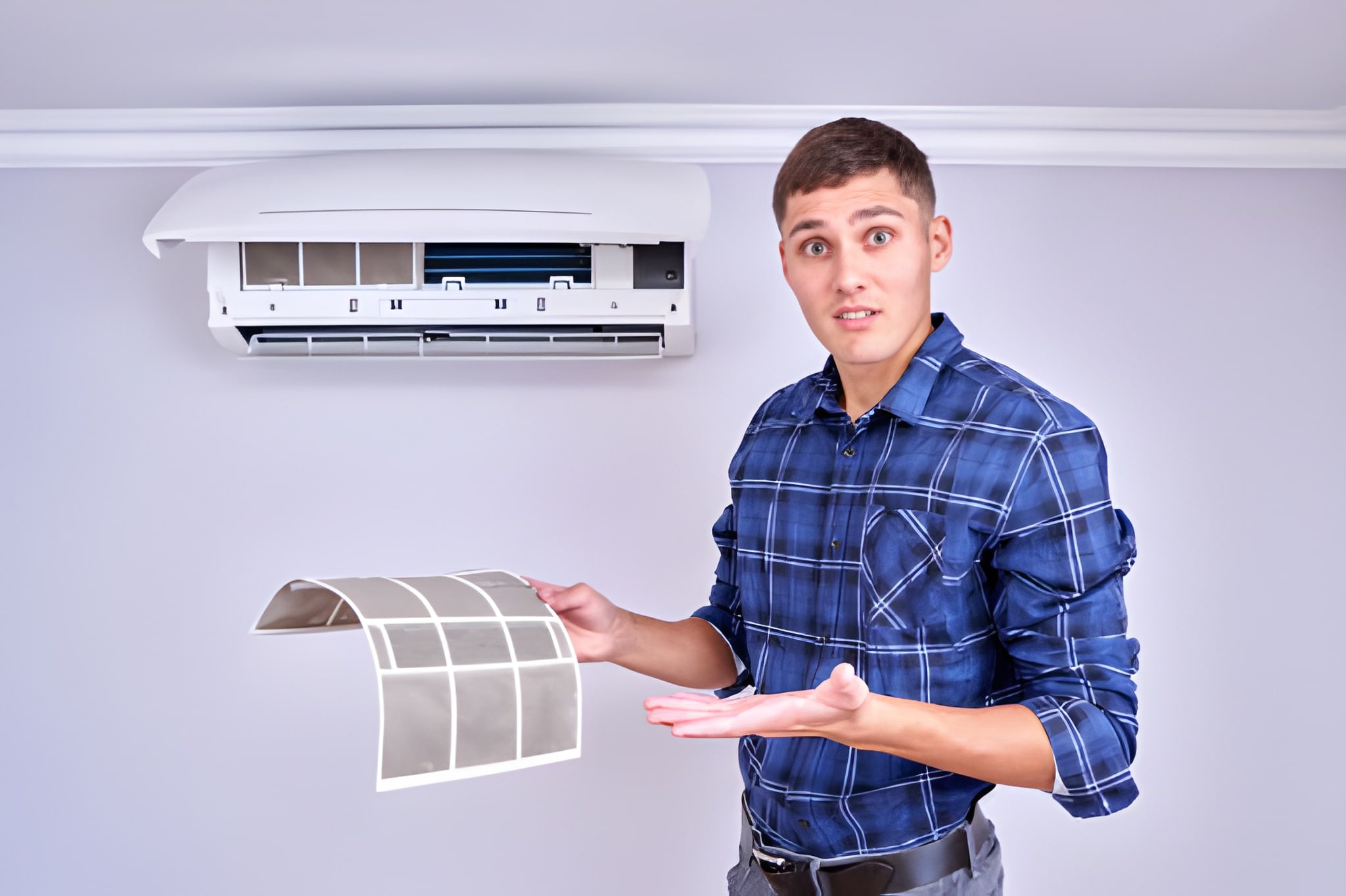
- Clogged filters, dirty coils, or blocked condensate drains reducing efficiency.
- Electrical faults, remote control or communication errors between indoor and outdoor units.
- Compressor faults or capacitor failures in older systems.
Professional installation and replacement workflow
- Initial assessment: inspect home layout, insulation, window placements, and existing heating to determine zoning goals.
- Heat load calculation: perform room-by-room Manual J style calculations to determine capacity needs and number of indoor units.
- Unit selection: match systems by HSPF (heating seasonal performance factor), capacity, and features (air filtration, Wi-Fi, low-temperature performance).
- Placement planning: locate indoor heads for optimal airflow and minimal obstruction; position outdoor condenser on a stable pad with adequate clearance for Pacific Northwest rain and vegetation.
- Installation: run refrigerant lines, condensate drain, and power; vacuum to remove moisture and test for leaks; charge system per manufacturer specs.
- Commissioning: verify refrigerant levels, airflow, electrical connections, defrost operation, and controller setup. Provide homeowner orientation on modes and maintenance.
- Replacement specifics: remove old equipment, assess mounting and electrical upgrades, and recycle refrigerant and materials per local codes.
Sizing and load-calculation guidance
Correct sizing is critical. A unit that’s too large will short-cycle and fail to dehumidify; one that’s too small won’t maintain comfort on the coldest winter nights. For Washougal:
- Use room-by-room heat loss calculations that consider local construction, insulation levels, window area, and orientation.
- Account for single-pane windows, uninsulated floors, or poorly sealed additions common in older Clark County homes.
- Multi-zone systems allow right-sizing each zone rather than oversizing a single system to cover multiple rooms.
Common diagnostics, repairs, and routine maintenance (tune-ups)
- Diagnostics: check refrigerant pressure, temperature split across coil, electrical supply, control signals, and defrost cycles.
- Typical repairs: leak detection and repair, compressor start-capacitor replacement, fan motor replacement, and PCB or communication board repairs.
- Routine maintenance: clean/replace filters every 1–3 months, clean indoor coils annually, clear and sanitize condensate drains, inspect outdoor coil and fan, check line-set insulation, and test safety controls. Regular seasonal tune-ups extend life and retain efficiency.
Available manufacturers and model comparisons
Top manufacturers with proven performance in the Pacific Northwest include Mitsubishi Electric, Daikin, Fujitsu, Panasonic, LG, and Mitsubishi Heavy Industries. When comparing models:
- Look for high HSPF2 and SEER2 ratings for year-round savings.
- Verify low ambient heating performance if you need reliable heat during occasional sub-freezing nights.
- Consider inverter-driven compressors for quieter operation and better efficiency under variable loads.
- Evaluate integrated filtration, smart controls, and compatibility with multi-zone configurations.
Energy-efficiency, rebates, and financing options
Mini-splits deliver significant efficiency gains over older electric resistance systems. In Washougal:
- Energy savings depend on HSPF/SEER ratings and proper installation. Systems with higher HSPF provide better winter performance.
- Washington state and federal programs periodically offer heat pump rebates or tax credits for qualifying installations and electrification projects. Local utility incentives may be available for energy-efficient equipment.
- Financing options commonly include low-interest plans and deferred-interest offers to make higher-efficiency systems more affordable. When planning, factor in utility rebates, potential federal tax credits, and lifetime energy savings.
Warranty and parts information
Manufacturer warranties vary but commonly include:
- Compressor and parts coverage ranging from 5 to 12 years depending on brand and registration.
- Labor warranties typically offered by the installing contractor for workmanship—confirm labor terms and any extended warranty options.
- Use OEM parts for repairs where possible to preserve warranty and ensure compatibility.
Troubleshooting tips and FAQs
- My mini-split isn’t heating well: Check filters and airflow first. If clean and airflow is normal, the system may have low refrigerant or an electrical issue requiring a technician.
- Unit is making unusual noises: Loose panels, fan obstruction, or failing motors are common causes. Turn unit off and have a professional inspect.
- Outdoor unit is frozen: Check for blocked airflow and confirm defrost cycle operation. Persistent icing likely indicates refrigerant or defrost control problems.
- How often should I schedule maintenance: At minimum once per year for heating-focused homes; twice per year (spring and fall) is ideal for year-round comfort.
- Can a mini-split replace a furnace for Washougal winters: For many well-insulated homes, ductless heat pumps can be the primary heat source. Very cold-exposure homes may need supplemental heat or a cold-climate heat pump rated for low temps.
Long-term benefits and maintenance advice
A properly sized and installed mini-split delivers efficient year-round comfort, lower utility bills, and improved home comfort control. To maximize lifespan and performance:
- Keep filters clean and indoor heads unobstructed.
- Maintain clearance around outdoor units and protect them from overgrown plants and winter debris.
- Schedule annual professional tune-ups to check refrigerant, electrical components, and defrost operation.