Mini Split Heating Service in Vancouver, WA
Ductless mini splits provide efficient, zoned heating for Vancouver, WA homes, with guidance on how these systems work, how to size and install them correctly, and what routine maintenance and diagnostics look like.
.jpeg)
Mini Split Heating Service in Vancouver, WA
Installing, maintaining, or repairing a ductless mini split heating system can be one of the most effective ways to improve comfort and reduce energy use in Vancouver, WA homes.
How ductless mini split systems work
A ductless mini split moves heat between an outdoor compressor/condenser and one or more indoor air-handling units using sealed refrigerant lines. Each indoor unit serves a zone - a single room or area - and includes its own thermostat and controls. Because there are no ducts, heat loss from ductwork is eliminated and zoned control is straightforward.
Why zoned heating and mini splits make sense in Vancouver, WA
- Pacific Northwest winters are generally mild but damp. Mini splits provide efficient low-temperature performance and dehumidification control without over-drying living spaces.
- Zoned heating lets you heat only the rooms in use, reducing wasted energy in underused bedrooms, garages, or bonus rooms common in Vancouver homes.
- Ductless systems are ideal for older homes without existing ductwork, additions, conversions, or rooms with limited space for duct runs.
Common mini split types and benefits
- Single-zone vs multi-zone systems: single-zone for one room; multi-zone for whole-house zoned comfort.
- Heat pump-driven operation provides both heating and cooling in one system.
- Benefits: improved energy efficiency, quieter operation, individual room control, easy installation compared to ducted systems, and flexible placement.
Proper system selection and sizing
Correct sizing starts with a Manual J load calculation that accounts for Vancouver climate, home orientation, insulation, window types, ceiling heights, and occupancy patterns. Key selection factors:
- Number of zones and preferred control strategy.
- Indoor unit styles: wall-mounted, ceiling cassette, floor-mounted, or slim-duct to match aesthetics and airflow needs.
- Outdoor unit capacity matched to aggregate indoor loads with margin for Vancouver low-temperature performance.
Avoid common mistakes like oversizing (short cycling) or undersizing (insufficient heat on cold nights). Always rely on a licensed HVAC professional for final sizing.
Professional installation: step-by-step and timelines
A typical professional installation follows these phases:
- Pre-install site survey: access, wall locations, electrical capacity, and any structural considerations.
- Load calculation and equipment selection based on findings.
- Permit acquisition if required by local jurisdictions.
- Installation day(s): mounting indoor units, installing outdoor unit pad, running refrigerant lines and condensate drains through small wall penetrations, wiring, and connecting to power.
- Evacuation and refrigerant charge, leak testing, and commissioning.
- System walk-through, control programming, and homeowner orientation.
Timeline factors: single-zone installs can often be completed in one day; multi-zone systems or complex retrofits may take 1 to 3 days. Permits or electrical upgrades can extend the schedule.
Routine maintenance and tune-up tasks
Regular maintenance preserves efficiency and extends equipment life. Typical tasks include:
- Cleaning or replacing filters every 1 to 3 months.
- Cleaning indoor evaporator coils and outdoor condenser fins seasonally.
- Checking and clearing condensate drains and pans.
- Verifying refrigerant charge and pressure; inspecting for leaks.
- Tightening electrical connections and testing safety controls.
- Updating control software and calibrating sensors as needed.
A seasonal tune-up before winter ensures dependable heat during Vancouver cold snaps.
Common repair diagnostics and solutions
Frequent issues and their typical fixes:
- Refrigerant leaks: signs include reduced heating capacity or frosting on lines. Diagnosis requires leak detection, repair of the leak, and correct refrigerant recharge.
- Electrical faults: blown fuses, bad contactors, or failed capacitors can prevent startup; solutions include replacing failed components and ensuring proper power supply.
- Control and communication errors: remote control or thermostat faults, or communication errors between indoor and outdoor units; often resolved by recalibration, replacing remotes, or repairing wiring.
- Poor airflow or noise: dirty filters, blocked vents, or failing fan motors; cleaning and component replacement restore performance.
- Compressor or inverter failures: less common but more costly; diagnosis involves system history, electrical testing, and deciding repair versus replacement based on age and warranty.
Warranty and featured manufacturer options
Reputable mini split manufacturers commonly represented in the region include Mitsubishi, Fujitsu, Daikin, LG, and Gree. Manufacturer warranties typically cover compressors and major components for multiple years, with parts coverage varying by model. Installer-provided workmanship warranties can protect electrical and refrigerant work. Registering equipment, keeping maintenance records, and using certified technicians often preserves warranty coverage.
Financing and maintenance plan details
Many homeowners use financing to spread the upfront investment over time. Available financing options often include fixed-rate loans, low-interest plans, or deferred interest offers. Maintenance plans commonly include seasonal inspections, priority scheduling, discounts on parts and labor, and extended service coverage that helps protect efficiency and can reduce emergency repair costs.
Expected costs and energy-savings estimates
Actual installation costs depend on the number of zones, unit capacity, indoor unit styles, electrical upgrades, and installation complexity. Instead of fixed price points, evaluate quotes based on equipment quality, included components, warranty coverage, and installer experience. Energy savings: compared to electric baseboard heating or older ducted systems, properly sized ductless mini splits often cut heating energy use by a substantial percentage. Typical real-world energy savings in Vancouver area homes range from around 30 percent to 50 percent, depending on house envelope, usage patterns, and the system being replaced.
Preparing for a professional estimate
When arranging an on-site estimate, have the following available to help the technician size and plan the system:
- Square footage of heated areas and a note of rooms you want zoned individually.
- Information on current heating sources and any existing ductwork.
- Basic construction details: insulation levels, window types, ceiling heights, and recent remodels.
- Any preferences for indoor unit placement or aesthetic considerations.
This information helps the contractor deliver an accurate proposal and schedule a suitable installation timeline.
Vancouver service area considerations
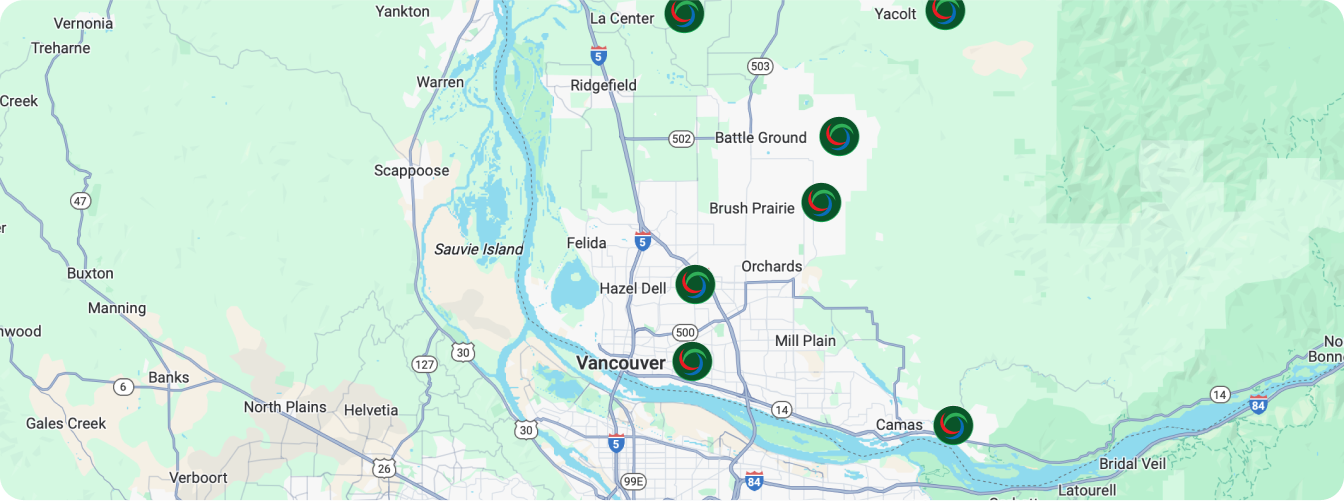
In Vancouver, WA and surrounding Clark County communities, mini split systems are particularly effective for retrofit projects, accessory dwelling units, and homes seeking improved humidity control during damp winters. Local installers are familiar with permitting and local utility incentives that may apply.
Ductless mini split heating delivers efficient, zoned comfort well suited to Vancouver, WA homes. With proper sizing, professional installation, routine maintenance, and timely repairs handled by licensed technicians, a mini split system can provide reliable heating, lower energy use, and flexible control for years.