Mini Split Heating Repair in Woodland, WA
Mini split heating repair in Woodland, WA explains how ductless systems heat homes with zoned, efficient comfort and how to select, install, and maintain them.
.jpeg)
Mini Split Heating Repair in Woodland, WA
Mini split (ductless) heating systems are a proven, energy-efficient way to heat Woodland homes without the expense and disruption of ductwork. These systems combine compact indoor wall or ceiling units with an outdoor compressor/condenser and deliver zoned, quiet heat year-round. For Woodland, WA homeowners who face cool, damp winters and occasional cold snaps, a properly functioning mini split provides consistent comfort, better humidity control, and lower operating costs compared with aging electric or wall heaters.
Why mini split heating is a good fit for Woodland, WA
- Zoned comfort for older or remodeled homes that lack ductwork.
- High efficiency for mild Pacific Northwest winters, keeping energy bills lower.
- Dehumidification benefits help reduce dampness and indoor condensation common in Woodland.
- Retrofit-friendly installation minimizes construction in tight crawlspaces or older homes.
Common mini split heating issues in Woodland, WA
Homes in the Woodland area tend to experience similar mini split problems due to local climate and building stock. Watch for:
- No heat or insufficient heat output
- Weak airflow from indoor heads or uneven heating between zones
- Refrigerant leaks causing low charge and poor performance
- Outdoor unit not running, noisy operation, or short-cycling
- Frozen indoor or outdoor coils during prolonged cold, wet weather
- Faulty control boards, thermostats, or remotes
- Drain pan clogs and mold growth from high humidity or poor condensate drain
- Electrical faults: blown fuses, tripped breakers, or failed capacitors and relays
System sizing and selection guidance
Choosing the right mini split requires more than square footage. Proper sizing and selection factors include:
- Home insulation levels, window type, and air leaks
- Ceiling height and room usage (kitchen, bedroom, open living area)
- Number of zones needed for comfort and energy control
- Local climate factors: Woodland’s cool, damp winters and occasional low temps
- Existing electrical capacity and outdoor unit placement constraints
- Preference for cold-climate models if you expect frequent sub-freezing operation
A heat-loss calculation (Manual J-style) is the best way to determine capacity. Oversizing leads to short-cycling and poor humidity control; undersizing struggles to maintain comfort on cold days.
Installation steps and typical timelines
A professional installation generally follows these stages:
- Site assessment and load calculation to size equipment and recommend indoor head locations.
- Equipment selection and permit application if required by local codes.
- Mount indoor heads, route refrigerant and condensate lines, and install outdoor unit on pad or wall brackets.
- Pull and wire electrical circuits, install disconnects, and make control connections.
- Evacuate lines, vacuum the refrigerant circuit, and charge to manufacturer specifications.
- Start-up, system commissioning, performance testing, and homeowner orientation.
Typical timelines:
- Single-zone replacement or new install: half to one full day.
- Multi-zone systems or complex runs: one to three days depending on access, number of indoor units, and permit scheduling.
Diagnostic and repair procedures (what technicians check)
When a system fails or underperforms, technicians will methodically diagnose root causes rather than only addressing symptoms:
- Electrical inspection: verify breakers, fuses, capacitor health, contactors, wiring integrity, and control voltages.
- Control and communication tests: confirm remote/thermostat pairing, sensor function, and PCB operation.
- Refrigerant system checks: perform leak detection, quantify charge via pressure/temperature readings, repair brazed joints or replace line sections, and recover/recharge refrigerant to spec.
- Compressor evaluation: measure amp draw, run tests, and determine if compressor replacement is necessary. Some failures allow component-level repairs; other times full outdoor section replacement is recommended.
- Airflow and indoor unit service: clean/replace filters, inspect blower motors and fans, clear drain lines and pans, and address frozen coils or ice build-up.
- Defrost cycle and refrigerant metering: check for stuck valves, faulty thermostatic expansion valves, or electronic expansion device faults that affect heating mode performance.
Technicians document findings and recommend cost-effective repairs or replacement options based on system age, parts availability, and long-term efficiency.
Routine maintenance and tune-up checklist
Regular maintenance extends system life and improves reliability—especially important in Woodland’s moist climate:
- Clean or replace indoor filters every 1–3 months
- Inspect and clean indoor evaporator coils annually
- Check and clear condensate drain lines and pans to prevent clogs and mold
- Verify refrigerant charge and inspect for leaks
- Tighten electrical connections and test safety devices
- Lubricate fan motors where applicable and inspect fan blades
- Test thermostat operation, sensors, and remote controls
- Clean debris and vegetation away from the outdoor unit; ensure level mounting
- Confirm proper defrost operation and monitor compressor performance
Annual or biannual tune-ups are recommended. Recordkeeping of service visits helps with warranty and long-term system management.
Warranty and manufacturer considerations
Most mini split manufacturers offer a combination of parts and compressor warranties; terms vary widely. Typical elements to consider:
- Length of compressor warranty vs parts warranty
- Requirement to register the system for full warranty coverage
- Authorized service or certified-installation requirements to preserve warranty
- Availability of OEM replacement parts in the Pacific Northwest
Retain invoices for professional installations and maintenance. Using licensed technicians and OEM parts preserves warranty coverage and supports reliable long-term operation.
Financing and maintenance plan options
To manage upfront investment and long-term upkeep, many Woodland-area providers present options such as:
- Flexible financing with low monthly payment plans or deferred interest promotions (subject to lender terms)
- Annual maintenance plans that include priority scheduling, seasonal tune-ups, and discounts on parts and labor
- Bundled service options that combine installation with regular maintenance for predictable operating costs
Choosing a maintenance plan can reduce emergency repair risk and often provides cost savings over time.
Why timely mini split heating repair matters in Woodland
Prompt repairs restore comfort, protect indoor air quality, and keep operating costs low. In Woodland’s damp climate, addressing condensate and coil issues early prevents mold, corrosion, and avoidable compressor stress. Regular service maintains efficiency, extends system life, and reduces the chance of costly midwinter failures.
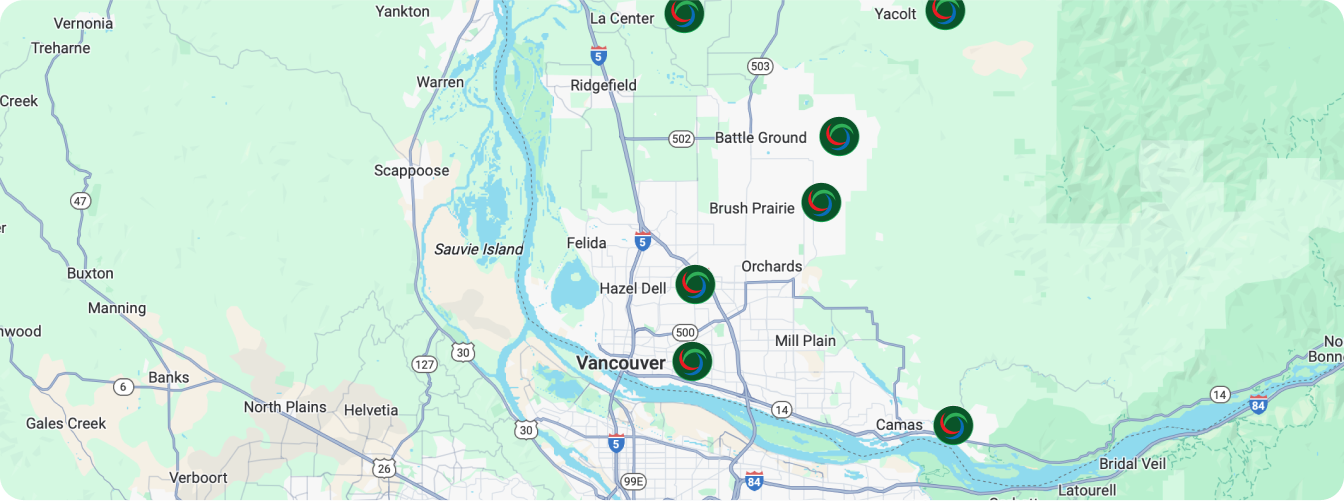
Service availability covers Woodland, WA and surrounding communities. Licensed technicians familiar with local codes and climate-related issues provide the diagnostics, repairs, and maintenance needed to keep your mini split heating system performing reliably.