Mini Split Heating Installation in Troutdale, OR
Mini split heating installation for Troutdale homes progresses from initial site assessment and load calculations through careful equipment selection and strategic outdoor/indoor unit placement tailored to local conditions. The process covers permitting requirements specific to Troutdale and the Multnomah County area, realistic timelines, and ballpark pricing for single to multi-zone system configurations. Homeowners receive comprehensive information about financing options, available rebates, warranty coverage details, and routine maintenance practices that help plan budgets and achieve energy-efficient, zone-controlled warmth throughout their Pacific Northwest home. Professional installation emphasizing comfort, operational efficiency, and long-term savings ensures reliable heating performance for Troutdale residences.
Mini Split Heating Installation in Troutdale, OR
When your Troutdale home needs efficient, zone-by-zone heating without the disruption of ductwork, a mini split (ductless) heating installation is one of the fastest, most energy-smart choices. Mini splits deliver consistent warmth to individual rooms, reduce wasted energy from duct losses, and are ideal for older Portland-area and Columbia River Gorge homes that often lack central ducts or have additions and sunrooms that are hard to heat.
Why choose a mini split for Troutdale homes
- Pacific Northwest winters are cool and damp; heat pumps in mini split systems perform well in these conditions and provide comfortable, humidity-balanced heat.
- Many Troutdale houses are older or have remodels where adding ducts would be costly or destructive; mini splits offer a minimally invasive retrofit.
- Zoned control improves comfort in rooms used less frequently and reduces energy bills compared with whole-house systems.
Common mini split heating issues in Troutdale
- Under-sized systems that struggle on the coldest days.
- Poor placement leading to uneven distribution or noisy operation.
- Improper refrigerant charge or long refrigerant runs in multi-zone installs causing reduced performance.
- Lack of proper drain routing in damp climates-can lead to condensation leaks if not addressed.
- Electrical circuits not sized for the outdoor unit or missing appropriate disconnects and breakers per local code.
Initial site assessment and load calculation
A thorough install starts with a site visit:
- Inspect conditioned spaces, windows, insulation levels, and room usage.
- Measure rooms and perform a Manual J load calculation for each zone to size indoor heads and outdoor compressors correctly.
- Evaluate possible locations for indoor heads and the outdoor condenser with attention to noise, airflow, and refrigerant line routing.
- Identify electrical panel capacity and any needed upgrades.
Accurate load calculations matter in Troutdale where older walls and single-pane windows can increase heating demand. Sizing for real winter conditions avoids short-cycling and ensures efficient operation.
System selection and recommended manufacturers
Choose equipment based on capacity, efficiency, and proven cold-climate performance. Manufacturers commonly recommended for reliability and serviceability include:
- Mitsubishi Electric (Hyper-Heating models)
- Fujitsu (low-temp performance)
- Daikin (wide product range, inverter technology)
- LG (multi-zone flexibility)
Selection also considers single-zone vs. multi-zone outdoor units, SEER/HSPF ratings, noise levels, and smart controls. For Troutdale applications, pick models rated for efficient operation at low outdoor temperatures.
Recommended placement of indoor and outdoor units
- Indoor heads: place high on the wall near the center of the heated area, not directly above doors or windows, to promote even circulation. Avoid blocking with shelving or heavy curtains.
- Outdoor unit: on a dedicated pad or wall bracket with 12–24 inches of clearance for airflow and maintenance access. Locate away from bedroom windows when possible to minimize noise complaints.
- Line runs: minimize distance between outdoor and indoor units and select the most direct route to reduce refrigerant length and potential efficiency loss.
Refrigerant line and electrical hookup procedures
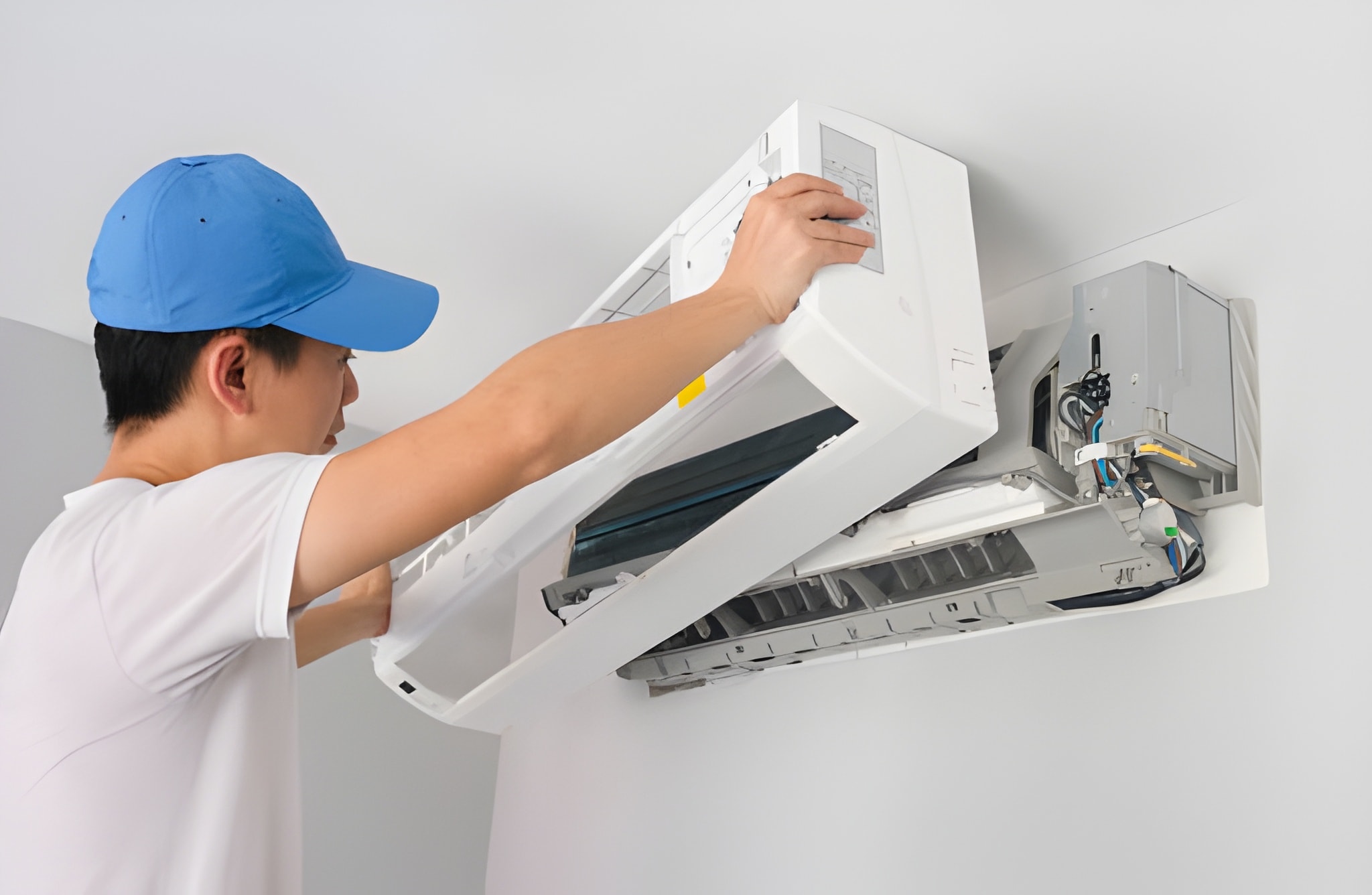
- Refrigerant lines are run through a small 2–3 inch core/drill hole, sealed and insulated. Line sets must be sized per manufacturer specs.
- Outdoor unit requires a dedicated circuit and appropriately sized breaker and disconnect per local electrical code.
- Electrical, control wiring, and condensate drain must be installed to code; when required, a licensed electrician ties in the outdoor disconnect and final power.
- Vacuuming the system and charging per manufacturer instructions ensures correct refrigerant levels for best performance.
Permitting and code compliance in Troutdale
Installations typically require a mechanical and/or electrical permit from the City of Troutdale or Multnomah County building department. Installers must follow the Oregon Residential Specialty Code and local amendments. Permits verify safe electrical work, proper refrigerant handling, and compliant condensate routing. Always confirm permit responsibilities before work begins.
Typical project timeline and pricing estimates
- Site assessment and quote: 1–2 hours onsite, final proposal within a few days.
- Permit approval: typically 1–3 weeks depending on local workload.
- Installation: single-zone installations often completed in a single day (4–8 hours). Multi-zone systems generally take 1–3 days depending on unit count and complexity.
- Final testing and homeowner walkthrough: 1–2 hours on the last day.
Ballpark pricing (Troutdale area, subject to home specifics):
- Single-zone mini split: $3,500 to $7,500 installed.
- 2–3 zone systems: $6,000 to $12,000.
- 4+ zone systems or complex retrofits: $10,000 to $18,000+.Factors affecting cost: number of indoor heads, line length and routing, electrical upgrades, wall/structural modifications, and required permits.
Financing and rebate options
Troutdale homeowners often combine financing and incentives to reduce upfront cost:
- Federal heat pump tax credits and state-level incentives may apply.
- Regional programs such as Energy Trust of Oregon or utility rebates sometimes offer rebates for qualifying high-efficiency heat pump mini splits.
- Many financing plans offer low-rate or deferred-interest options for HVAC upgrades.
Verify eligibility for current local and federal incentives at the time of planning to maximize savings.
Warranty details and maintenance guidance
- Manufacturer warranties commonly cover compressors for 5–10 years and parts for 1–5 years; extended warranties are sometimes available.
- Installer labor warranties vary; review scope and duration before installation. Routine maintenance to preserve efficiency:
- Clean or replace filters monthly or per model guidance.
- Annual professional tune-up to check refrigerant, electrical connections, drain routing, and airflow.
- Keep outdoor unit clear of debris, snow, and vegetation-important in damp Troutdale winters.
Post-installation testing and homeowner education
After installation, a proper commissioning includes:
- Verifying correct refrigerant charge and system pressures.
- Measuring supply/return temperatures and airflow to confirm performance.
- Electrical checks for proper voltage and breaker sizing.
- Demonstrating thermostat/remote control functions, scheduling, defrost mode, and basic troubleshooting.
- Walkthrough of filter changes, condensate maintenance, and what to monitor during the first winter.
Homeowners should receive written system settings, maintenance recommendations, and warranty paperwork.
A correctly installed mini split heating system provides quiet, efficient comfort tailored to how you use each room. For Troutdale homeowners, the combination of strong low-temperature performance, minimal installation disruption, and zoned control addresses both comfort and energy-saving priorities. Proper site assessment, permit compliance, manufacturer-matched components, and annual maintenance ensure the system delivers dependable warmth through Pacific Northwest winters.