Mini Split AC Repair in Portland, OR
Mini split AC repair in Portland, OR requires a balance of careful diagnosis, timely repairs, and knowledge of local conditions and regulations. With proper inspection and maintenance, many common issues are repairable and can restore efficient, reliable comfort to your home. When repairs would not provide lasting value, a clear replacement analysis focusing on efficiency, refrigerant type, and zoning needs will guide the best next steps.
Mini Split AC Repair in Portland, OR
Ductless mini-split systems are a popular choice in Portland, OR for year‑round comfort—providing efficient cooling in summer heat spells and powerful heat pump heating in the wet, cool months. When a mini-split underperforms, the problem is often fixable quickly if diagnosed by a qualified technician. This page explains common mini-split problems seen in Portland homes, what a professional diagnostic includes, typical repair options and timelines, and key warranty and maintenance considerations to help you make an informed decision.
Common mini split issues in Portland homes
Portland’s climate and housing stock create a predictable set of issues for ductless systems. Typical symptoms and causes include:
- Weak or no cooling/heating
- Low refrigerant due to leaks, improper charge, or long line sets
- Faulty compressor, inverter board, or outdoor fan motor
- Dirty evaporator or condenser coils reducing heat transfer
- System blowing warm air or short cycling
- Refrigerant imbalance, sensor failure, or control/communication errors
- Frequent freezing of indoor unit
- Restricted airflow from dirty filters, blocked drain, or low refrigerant
- Water leaking or condensate overflow
- Clogged condensate drain, misrouted drain lines in retrofits, or frozen coil
- Strange noises or vibration
- Loose mounting, failing fan motor, or failing compressor
- Electrical faults or error codes
- Capacitor failure, relay/contactor issues, loose wiring, or PCB faults
- Reduced efficiency or higher electric bills
- Aging components, refrigerant loss, or poor seasonal maintenance
What a professional diagnostic includes
A comprehensive diagnostic helps pinpoint the root cause so repairs are appropriate and durable. A typical service visit includes:
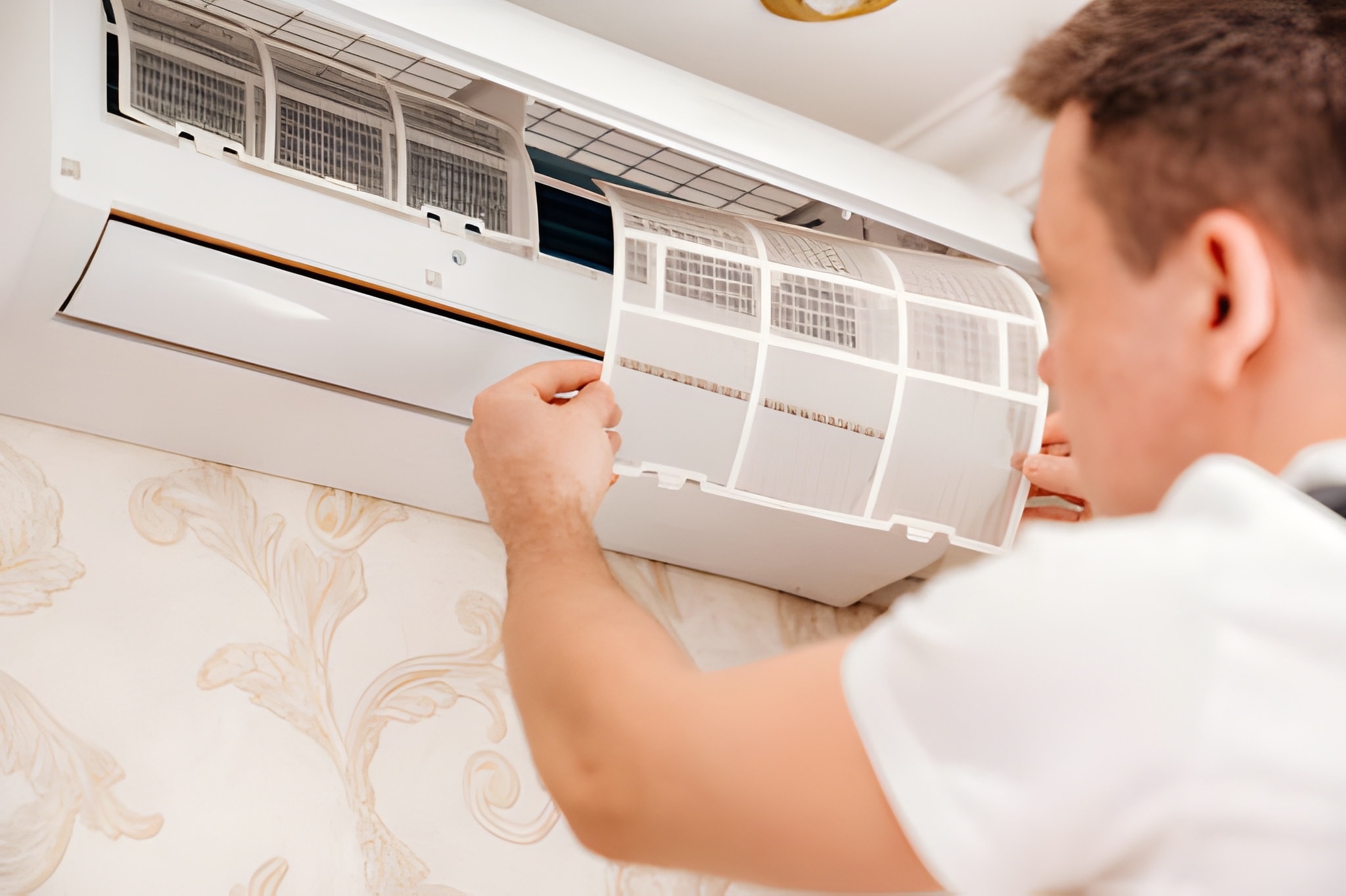
- Visual inspection of indoor and outdoor units for damage, debris, and drainage
- Check of air filters, refrigerant lines, line‑set insulation, and wall penetrations
- Measurement of airflow and temperature split across the evaporator coil
- Electrical checks: voltage, current draw, capacitors, and safety devices
- Refrigerant pressure readings and superheat/subcooling calculation to verify charge
- Leak detection scan if low refrigerant is suspected (electronic detector or dye)
- Review of system event logs and error codes from the indoor controller and outdoor inverter
- Assessment of mounting, vibration isolation, and ductless branch connections in multi‑zone systems
Technicians will explain findings in plain language, highlight safety issues, and outline repair options.
Typical repair options and what they address
Repair solutions vary from quick field fixes to more involved component replacements.
- Simple on‑site repairs (often same day)
- Cleaning filters and coils, clearing condensate drains, resetting error codes
- Tightening electrical connections and replacing fans or capacitors
- Refrigerant leak repair and recharge
- Locate and repair the leak (solder, replace line, or use factory crimps), evacuate and recharge to manufacturer spec. Leak repair can take from a few hours to multiple visits if the leak location is hard to access.
- Control and electronic repairs
- Replace communication cables, thermostats, indoor sensors, or inverter/PCB modules. These often require part ordering but can be completed in 1–3 days.
- Major component replacement
- Compressor or outdoor unit replacement may be recommended for mechanical failure. Replacing the outdoor unit while retaining indoor heads is sometimes an option if refrigerant type and line set are compatible. Expect 1–2 days onsite plus potential parts lead time.
- System replacement
- If the unit is older, uses phased‑out refrigerant, or has multiple failing components, full replacement may be more cost‑effective. Replacement considerations include energy efficiency (SEER/HSPF), number of indoor heads needed, and electrical upgrades.
Expected timelines
Timelines depend on diagnosis complexity and part availability:
- Diagnostic visit: typically 1–2 hours onsite
- Minor repairs and cleaning: same day if parts are stocked
- Refrigerant leak repair and recharge: same day to several days (may require drying/pressure tests and verification)
- Electronic board, sensor, or motor replacement: 1–3 days depending on inventory
- Compressor or outdoor unit replacement: 1–2 days plus ordering time if part not in stock
- Full system replacement: several days to a week depending on scope, permits, and matching equipment
In Portland, seasonal demand can affect lead times-peak summer and cold snaps may increase wait times for parts and technicians.
Warranty and regulatory considerations
Understanding warranty and refrigerant regulations protects your system and your investment.
- Manufacturer warranty vs installer labor warranty
- Manufacturer covers specific components for a set period; installer labor warranties cover workmanship. Keep original documentation and registration information handy.
- Service by licensed, certified technicians
- Refrigerant handling must be performed by EPA‑certified technicians. Using unauthorized service can void manufacturer warranties.
- Refrigerant types
- Many modern mini‑splits use R‑410A or R‑32. Older systems that used R‑22 are largely phased out and expensive to recharge; replacement is often recommended in those cases.
- Record keeping
- Save service invoices, leak repair records, and recharge documentation. These records are important for warranty claims and future service decisions.
When to repair vs replace
Factors that influence the repair vs replace decision include:
- Age of the system: mini‑splits older than 10–15 years are more likely to need replacement
- Frequency and cost of repairs: repeated compressor or electronic failures point to replacement
- Efficiency and comfort goals: newer systems deliver higher SEER/HSPF and better zone control
- Refrigerant availability: older refrigerants can make repairs impractical
- Home layout changes: additional zones or relocation may favor new equipment
A qualified technician should provide a transparent assessment comparing the expected remaining life and efficiency of repaired equipment versus a new system.
What to expect during a service visit
A professional visit is structured, thorough, and communicative:
- Arrival and safety checks: technician inspects the work area and existing equipment
- Diagnostic run: system operated while measurements and error logs are recorded
- Explanation of findings: clear summary of problems, options, and estimated timelines
- Repair plan: scope of work, parts needed, and warranty impacts discussed
- Post‑repair verification: system retested for proper airflow, pressures, and error clears
- Documentation: service report provided with recommendations and any warranty notes
Technicians should leave the site clean and provide tips to prevent recurrence.
Maintenance and prevention advice for Portland homes
Regular upkeep reduces emergency repairs and improves longevity:
- Schedule seasonal tune‑ups for both cooling and heating modes, especially before summer and winter
- Clean or replace filters every 1–3 months depending on use and indoor air quality
- Keep outdoor unit clear of leaves, debris, and vegetation—Portland’s rainy seasons can encourage moss and buildup
- Inspect condensate drains and ensure proper slope and routing in retrofits
- Verify line‑set insulation remains intact after freezes or remodeling work
- Register equipment with the manufacturer and keep service records for warranty support
Portland homeowners in older homes or those adding zones for remodeled spaces should consider early inspection to confirm line sets and electrical supply are correctly sized.