Mini Split AC Repair in La Center, WA
La Center, WA residents through mini split repair, detailing common problems, diagnostic steps, available repair options, and typical turnaround times. It explains on-site evaluation, how refrigerant leaks, faulty sensors, electrical faults, and blocked outdoor units are identified, and what repairs may entail. It also covers warranties, service plans, post-repair testing, and maintenance tips to prevent future issues, helping homeowners understand what to expect and maintain efficient, reliable cooling. Our diagnostic approach emphasizes clear recommendations, parts lists, costs, and timelines.
Mini Split AC Repair in La Center, WA
Mini split systems are a popular choice for homes in La Center, WA because they deliver efficient, zoned cooling and heating without ductwork. When a ductless unit stops performing, it affects comfort quickly - especially during the warm, humid days that can follow Pacific Northwest heat spells. This page explains the diagnostic process for mini split AC repair in La Center, common problems we see in local homes, repair options and typical turnaround times, warranty and service-plan considerations, how on-site diagnostics work, and what post-repair testing looks like.
Why timely mini split repair matters in La Center, WA
La Center’s climate combines mild summers with occasional hot spells and high humidity. Mini split problems left unresolved can lead to:
- Reduced cooling during the hottest days
- Excess indoor humidity and related mold or condensation issues
- Higher energy use and uneven temperatures between rooms
- Premature compressor or component failure if refrigerant leaks or electrical faults continue
Prompt repair protects indoor comfort, air quality, and system lifespan.
Common mini split issues in La Center homes
Most mini split repair calls in this region involve a small set of recurring problems:
- Poor cooling performance: Unit runs but does not reach set temperature. Often caused by low refrigerant, clogged filters, blocked outdoor units, or failing compressors.
- Refrigerant leaks: Decreased cooling capacity and frost on lines. Leaks are typically in fittings or coils and require leak detection and repair.
- Faulty sensors or controls: Indoor thermistors, remote controls, or PCB boards can fail, causing short cycling, incorrect temperature readings, or no operation.
- Electrical problems: Tripped breakers, bad capacitors, or loose wiring cause intermittent operation or failure to start.
- Frozen evaporator coils: Often due to restricted airflow, low refrigerant, or dirty coils.
- Unusual noises or vibrations: Fan motor wear, mounting issues, or debris in the outdoor unit.
- Drainage and condensate issues: Clogged drain lines lead to leaks, water stains, or safety shutoffs.
- Outdoor unit exposure: In wooded areas around La Center, leaves, pollen, and debris can restrict airflow and damage fins.
Diagnostic process for ductless systems
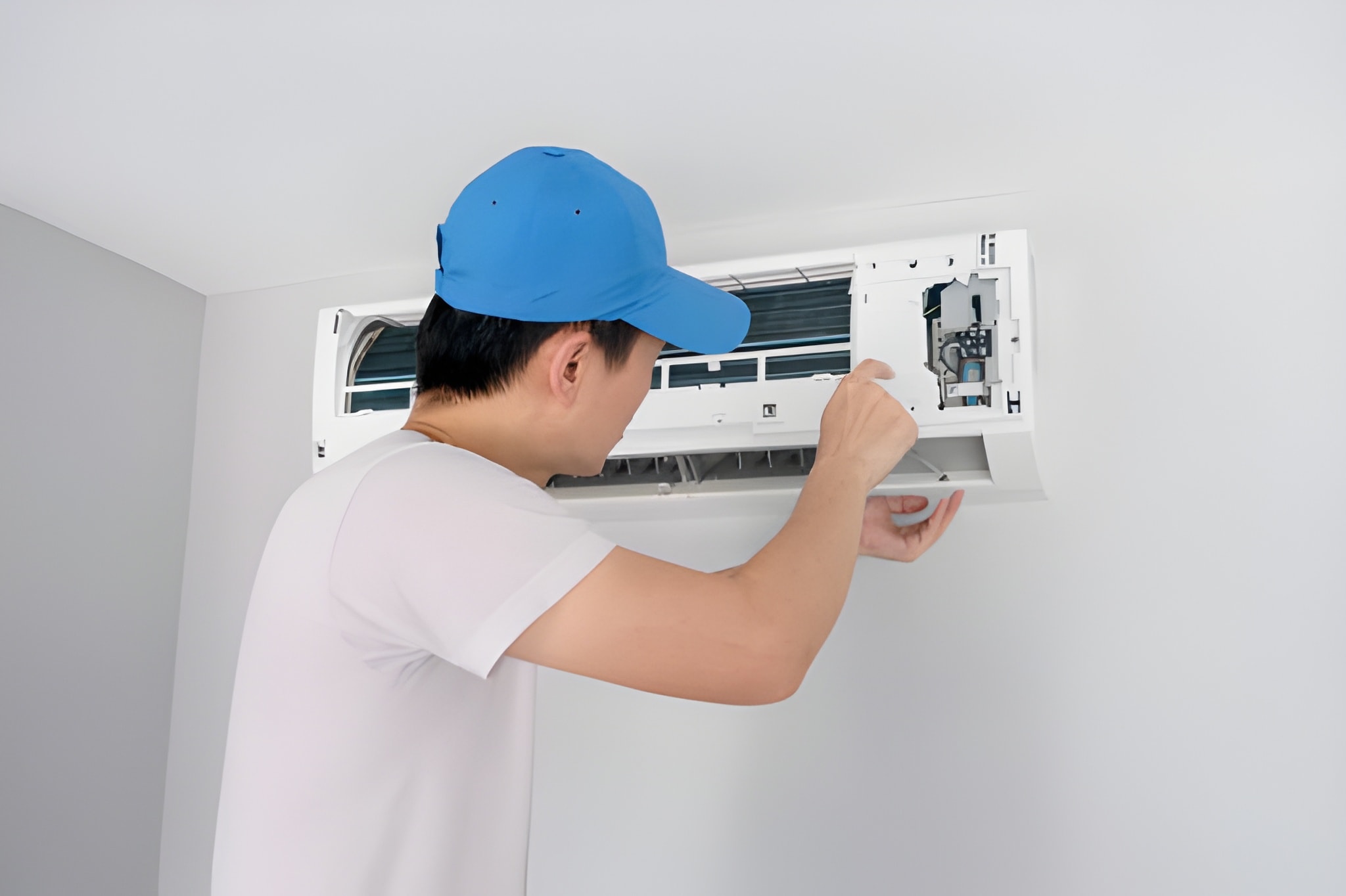
A structured diagnostic ensures repairs are focused and reliable. Typical on-site diagnostic steps:
- Visual inspection of indoor and outdoor units for damage, blockages, and signs of refrigerant leaks.
- Check and clean filters, coil fins, and condensate drains to rule out airflow restrictions.
- Electrical checks: verify voltage, inspect wiring, test capacitors, contactors, and safety switches.
- Refrigerant evaluation: measure pressures with gauges and compare to expected values for ambient temperature and system type.
- Sensor and control testing: inspect thermistors, remotes, and PCB error codes.
- System run test: operate in cooling mode while measuring temperatures across the evaporator and condenser to confirm capacity.
- Customer interview: document when problems started, patterns of failure, and any recent events (power outages, storms, etc.).
Technicians typically provide a clear repair recommendation and scope after diagnostics, including parts and estimated time.
Common repair options and typical fixes
After diagnosis, common repair strategies include:
- Refrigerant leak repair and recharge: Locate and repair leak source, replace or braze fittings as needed, evacuate and recharge to manufacturer specs.
- Component replacement: Replace capacitors, contactors, fan motors, expansion valves, or compressors when testing indicates failure.
- Control and sensor repair: Replace thermistors, PCBs, or remote sensors to restore accurate control and prevent short cycling.
- Coil and filter cleaning: Restore performance quickly by removing dirt and obstructions that reduce airflow and efficiency.
- Drain line repair: Clear or replace condensate lines and reset float switches to prevent indoor leaks.
- Mechanical repairs: Tighten or replace mounting brackets, fan blades, or vibration isolators to eliminate noise issues.
Repairs use manufacturer-recommended parts and follow refrigerant handling best practices.
Typical turnaround times
Turnaround depends on the issue and parts availability:
- Simple fixes (filters, cleaning, minor electrical adjustments): commonly completed the same day.
- Refrigerant leaks or component swaps (capacitor, fan motor): often completed within 1 to 2 business days if parts are on hand.
- Major repairs (compressor replacement or multi-zone work): may require 2 to 5 business days, depending on part lead times and permit requirements.
Technicians in the La Center area account for regional supply and travel times when estimating schedules.
Warranty and service-plan details
Reliable repair work is backed by different warranty types:
- Parts warranty: Manufacturer or aftermarket part warranties commonly range from 90 days to several years depending on the component.
- Labor warranty: Many service repairs include a labor guarantee for a defined period to ensure the repair holds.
- Service plans / maintenance agreements: Regular maintenance plans typically include seasonal tune-ups, priority scheduling, discounted parts, and extended coverage for certain repairs. For humid, pollen-prone La Center conditions, a maintenance plan reduces the likelihood of clog-related failures and preserves efficiency.
Always ask for written warranty details that specify coverage length, exclusions, and any requirements for maintaining coverage.
What to expect from on-site diagnostics and repair day
When a technician arrives for diagnostics or repair in La Center homes:
- They will inspect both indoor and outdoor units and document findings.
- Expect a clear explanation of the diagnosis, repair options, and expected turnaround time.
- For repairs involving refrigerant, technicians will follow environmental regulations and use proper leak detection equipment.
- If a part needs ordering, the technician will explain the impact on scheduling and any temporary measures to maintain comfort.
Technicians will typically leave a service report that lists work performed and system readings.
Post-repair testing and verification
Effective repairs include thorough testing:
- Run the system through multiple cycles to confirm stable operation.
- Measure supply and return air temperatures to verify cooling capacity.
- Verify refrigerant pressures and superheat/subcooling where applicable.
- Confirm condensate drains are clear and safety switches are functional.
- Recheck electrical connections and current draw on motors and compressors.
- Inspect for any remaining leaks or unusual noises during extended run time.
A stable, efficient run with correct temperature differentials confirms a successful repair.
Maintenance tips to avoid future repairs in La Center
- Replace or clean filters every 1 to 3 months during heavy use.
- Keep the outdoor unit clear of leaves, grass, and debris; trim vegetation to maintain airflow.
- Schedule seasonal tune-ups to catch refrigerant loss, electrical wear, and coil buildup early.
- Monitor indoor humidity and use ventilation or dehumidification during humid spells to reduce strain on the system.
- If you notice reduced cooling, unusual sounds, or higher energy bills, arrange diagnostics before small issues become major repairs.
Regular care tailored to La Center conditions preserves comfort and reduces long-term costs while keeping your mini split operating at peak efficiency.