Mini Split AC Repair in Battle Ground, WA
Mini split AC repair in Battle Ground, WA, from recognizing common symptoms such as inadequate cooling, noisy operation, refrigerant leaks, drainage problems, and control issues, to a thorough diagnostic process that includes visual inspection, airflow checks, electrical tests, refrigerant evaluation, and performance verification.
Mini Split AC Repair in Battle Ground, WA
Ductless mini-split systems are a common choice in Battle Ground, WA homes because they deliver efficient zoned cooling and heating without the disruption of ductwork. When a mini split starts underperforming, making noise, or leaking, comfort drops and energy bills can climb. This page explains the repair process for mini split AC systems in Battle Ground, WA, outlines common problems you may encounter, and describes the realistic repair and maintenance options that restore reliable performance.
Why timely mini split repair matters in Battle Ground, WA
Battle Ground experiences cool, wet winters and warm, sometimes humid summers. Mini splits often serve as both heating and cooling sources here, so problems in spring or fall can leave a home uncomfortable year round. Addressing issues quickly:
- Prevents system damage from running under stress
- Restores efficient operation to reduce energy use during warm spells
- Reduces indoor humidity and the risk of moisture-related issues in damp months
Common mini split AC issues in Battle Ground, WA
Homeowners in this area typically report a handful of recurring faults. Recognizing symptoms helps prioritize repair.
- Inadequate cooling or heating
- System runs but does not reach set temperature; weak airflow or fluctuating room temperatures
- Noisy operation
- Humming, buzzing, rattling, or loud compressor starts and stops
- Refrigerant leaks
- Ice on lines, hissing sounds, or rapid loss of cooling capacity
- Clogged condensate drain or pan
- Water dripping indoors or moldy odors from the indoor unit
- Control and wiring problems
- Remote or wall control unresponsive, failure to communicate between indoor and outdoor units
Diagnostic process: what a thorough mini split AC diagnostic includes
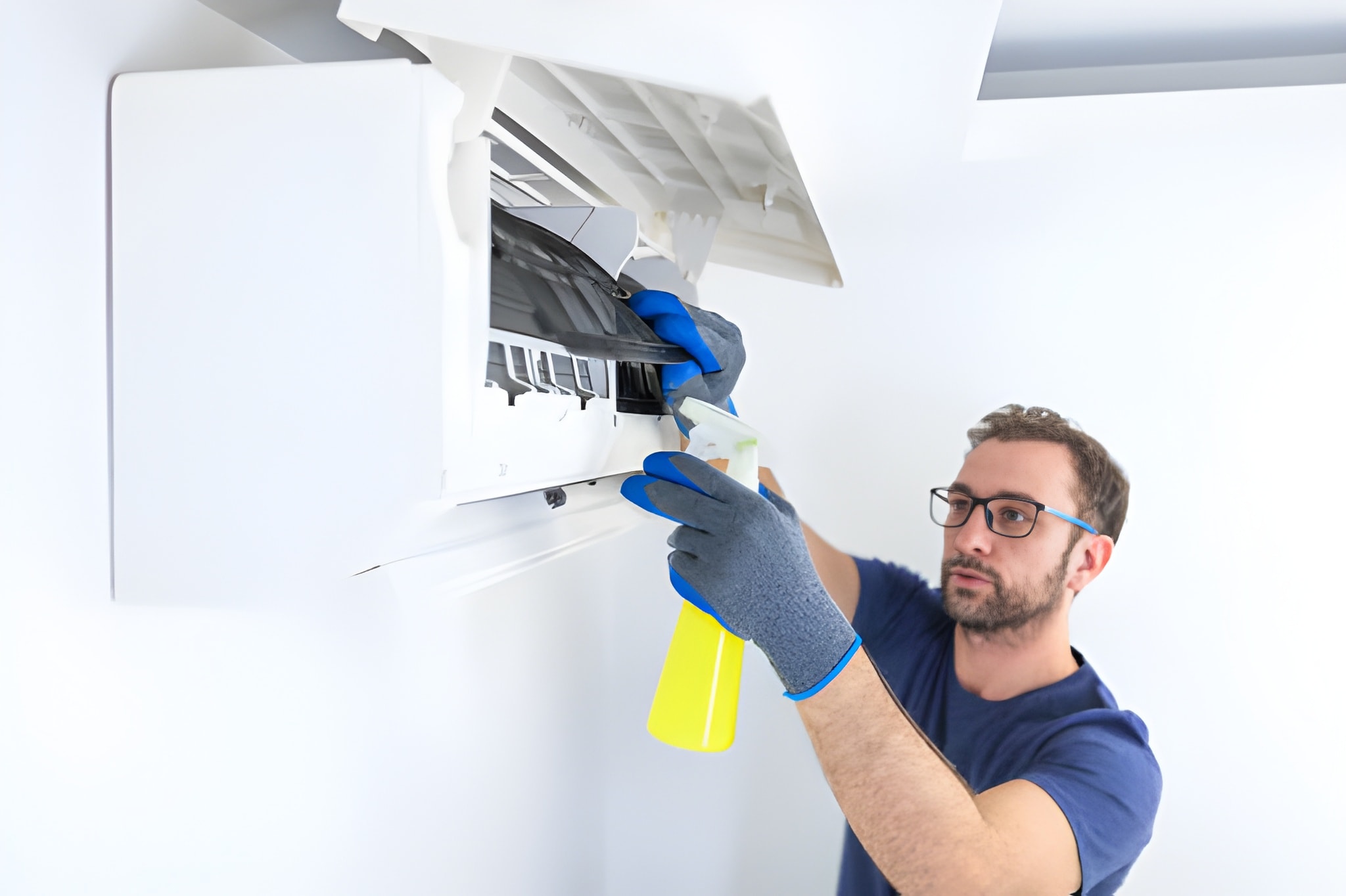
A professional diagnostic visit in Battle Ground focuses on pinpointing root causes so repairs are targeted and durable. Typical diagnostic steps:
1. Visual inspection
- Check indoor and outdoor units for physical damage, debris, or obvious wiring issues
2. Filter and airflow check
- Inspect filters, blower wheel, and evaporator coil for restrictions that reduce airflow
3. Electrical and control testing
- Test voltage, contactors, capacitors, and control signals; verify thermostat or remote operation
4. Refrigerant system evaluation
- Measure pressures and temperatures to identify undercharge, overcharge, or blockages; inspect for oil stains or dye that indicate leaks
5. Condensate and drainage examination
- Confirm condensate trap, drain line, and pan are clear and sloped correctly
6. Performance verification
- Run the system under load to observe cycling, temperature split, and sound to validate findings
Documenting findings and showing expected repair options ensures you understand what will restore dependable operation.
Repair options explained
Repair actions vary by diagnosis. Below are common, practical repair interventions:
- Diagnostic visit
- Comprehensive inspection and written diagnosis with repair recommendations and parts list
- Parts replacement
- Replace worn components such as fan motors, capacitors, relays, PCBs, sensors, expansion valves, or compressors when failed
- Refrigerant leak repair and recharge
- Locate and repair leaks, evacuate and recharge the correct refrigerant per manufacturer specs. Note: refrigerant top-offs without fixing leaks are temporary fixes and often require certified handling under state and federal laws
- Electrical and control wiring fixes
- Repair or replace damaged wiring, communication cables, or control boards; recalibrate thermostats and remotes; address short-cycling caused by electrical faults
- Condensate and drainage repairs
- Clear or replace clogged drain lines, repair damaged pans, and add proper sloping or condensate pumps where needed
- Line set and insulation repairs
- Repair or replace damaged suction/liquid lines and re-insulate to prevent condensation and energy loss
Each repair includes performance testing to confirm the system meets expected cooling or heating capacity.
What to expect after repair and typical timelines
- Simple fixes (filters, drains, wiring) are often completed the same day.
- Component replacements may require parts ordering and can take 1 to several days depending on availability.
- Refrigerant leak repair followed by evacuation and recharge may require multiple steps and testing to confirm the seal and proper charge.
- Comprehensive diagnostics and repairs aim to return the system to safe, efficient operation and include a final performance test.
Maintenance tips to reduce future repairs
Routine care extends system life and prevents many common failures. For Battle Ground homeowners:
- Clean or replace filters every 1 to 3 months depending on use
- Keep outdoor unit free of leaves, dirt, and obstructions-clear at least 2 feet around it
- Schedule an annual tune-up before the cooling season to check refrigerant charge, electrical connections, and coil cleanliness
- Keep indoor units dust-free and ensure proper air return and supply near heads
- Repair minor issues early-noisy operation or small drops in performance often precede bigger failures
Regular maintenance is especially important in Pacific Northwest climates where humidity and seasonal debris can accelerate coil fouling and drainage problems.
Warranties and documentation
Manufacturer warranties typically cover major components for a set period and may require registration and proof of regular maintenance. Labor warranties on repairs vary by provider. When having repairs performed, make sure you receive:
- A written diagnostic report and estimate
- Detailed invoice listing parts and labor
- Any manufacturer part warranty documentation
- Recommended maintenance schedule to preserve warranty compliance
Keeping clear records of service visits improves warranty claims and helps maintain long term system reliability.
How scheduling and the repair workflow typically work
The usual repair workflow for mini split issues in Battle Ground includes:
- Initial service request and history review
- On-site diagnostic visit with system testing and written findings
- Presentation of repair options, parts needed, and estimated timeline
- Approval of chosen repair plan and parts ordering if necessary
- Completion of repairs, refrigerant handling (if required), and safety checks
- Final performance test and service documentation provided to the homeowner
Understanding this process helps set expectations for timing and deliverables so repairs move smoothly.
Benefits of prompt, professional mini split repair
Addressing mini split issues promptly in Battle Ground preserves comfort and efficiency, reduces energy costs during warm periods, prevents moisture problems in damp months, and extends equipment life. Proper repairs and routine maintenance protect your investment and keep zoned heating and cooling performing as designed for years.
If you have a problem with a ductless mini-split system in Battle Ground, WA, a methodical diagnostic followed by targeted repairs and routine maintenance is the best path to reliable comfort and lower operating costs.