Whole House Air Cleaners in Ridgefield, WA
Whole house air cleaners integrate with your furnace or heat pump to treat air throughout the home, addressing Ridgefield IAQ concerns like pollen, mold, wildfire smoke, dust, and VOCs. Whole-house air cleaners are a practical IAQ upgrade for Ridgefield homes when correctly matched to your HVAC system and lifestyle. With the right filtration choice, professional installation, and routine maintenance, you can expect meaningful, measurable improvements in comfort and indoor air cleanliness year-round.
IAQ Whole House Air Cleaners in Ridgefield, WA
Indoor air quality matters in Ridgefield homes. Damp, temperate winters encourage mold and mildew, spring and summer bring heavy pollen, and periodic wildfire smoke can drive particulate levels through the roof. A properly specified whole-house air cleaner integrates with your furnace or heat pump to reduce allergens, dust, smoke and airborne pathogens throughout your home - not just in the room where a portable unit sits.
Common IAQ issues in Ridgefield, WA homes
- Seasonal pollen and outdoor allergens that enter through doors, windows and ventilation.
- Elevated humidity and mold spores in colder months or poorly ventilated areas.
- Fine particulate matter from regional wildfire smoke and backyard wood burning.
- Household dust, pet dander, and volatile organic compounds (VOCs) from cleaning products or building materials.
- Dust buildup in ducts that reduces system efficiency and redistributes particulates.
What a whole-house air cleaner is and how it integrates with your HVAC
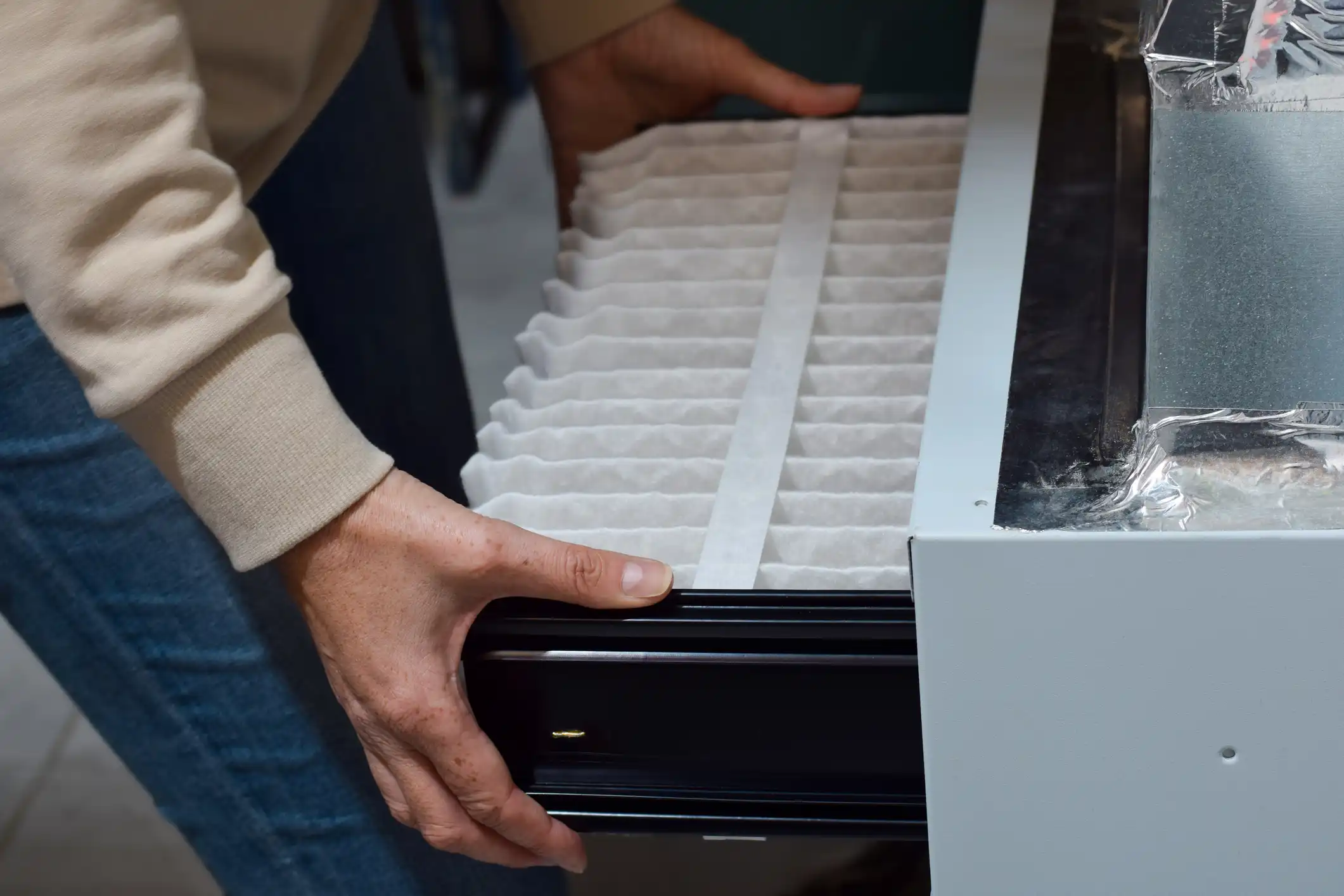
A whole-house air cleaner is an in-duct device installed on the return side of your HVAC system or inside a dedicated cabinet that treats air before it reaches the air handler. It works with your existing furnace or heat pump and the duct network to clean air for every room served by that system. Main types include:
- Media (pleated) filters installed in a dedicated cabinet or filter slot — good balance of efficiency and airflow.
- Electronic air cleaners / electrostatic precipitators that charge and collect particles on plates; many are washable and reusable.
- True HEPA whole-house solutions (less common without modifications) that trap 99.97% of particles down to 0.3 microns when installed in systems designed to handle the added pressure drop.
- Supplemental technologies like activated carbon for odors and UV lights for microbial control (used as adjuncts, not replacements for filtration).
Filtration options and MERV guidance
Filter efficiency is commonly described with a MERV rating (Minimum Efficiency Reporting Value).
- MERV 6–8: Basic protection for larger particles and dust; minimal impact on airflow.
- MERV 9–12: Good residential option for pollen, pet dander, and finer dust — common recommendation for homeowners seeking meaningful IAQ improvement.
- MERV 13: High-efficiency residential grade that captures fine particulates and some smoke particles; may require airflow/blower assessment.
- HEPA-equivalent: Provides superior capture of fine particulates and smoke but typically requires a system designed for the increased static pressure or a dedicated bypass/independent unit.
In Ridgefield, where pollen and smoke can be seasonal concerns, MERV 11–13 or a media filter plus activated carbon is a practical balance. Always match the filter choice to your HVAC blower capability to avoid reduced airflow and system strain.
Typical installation steps for Ridgefield homes
- System assessment: Inspect furnace/air handler, duct layout, return plenum, and blower capacity to determine suitable unit and filter size.
- Select filtration approach: Choose media filter cabinet, electronic collector, or HEPA solution based on IAQ goals and system compatibility.
- Mounting and integration: Install the cleaner in the return duct or filter slot; mount control wiring, and if needed connect low-voltage power or relay to the air handler.
- Seal and balance: Properly seal joints and test for pressure changes; adjust blower settings or add variable-speed capability if required.
- Commissioning: Run the system, measure airflow and static pressure, and verify the cleaner is operating as intended.
Professional installation avoids common risks like excessive static pressure, reduced heating/cooling performance, and voided equipment warranties.
Compatibility and system considerations
- Older furnaces or single-speed blowers may struggle with high-MERV filters; a variable-speed blower or blower upgrade can preserve airflow.
- Duct leakage and poor return design can reduce the effectiveness of whole-house filtration; sealing and return optimization improve performance.
- Electronic cleaners require periodic cleaning of collector plates and occasional replacement of electronics; media cabinets use disposable filters.
- HEPA-level filtration in a whole-house application often needs a bypass design or upgraded fan to manage pressure drop without compromising comfort.
Maintenance requirements and expected lifespan
- Disposable media filters: Check every 3 months; more frequently during smoke season or heavy pollen. Replace per manufacturer recommendations (often 3–12 months depending on MERV).
- Electronic air cleaners: Clean collector plates monthly to quarterly and inspect high-voltage components annually.
- HEPA or specialty units: Follow manufacturer schedule for pre-filters, HEPA element changes, and any sealed housing inspections.
- Annual system check: Verify airflow, inspect seals and controls, and clean duct returns. Regular maintenance maintains performance and keeps warranties valid.
Typical service life varies by type: media cabinets and filters are long-lasting, electronic units can last many years with care, and HEPA modules need scheduled replacement of the filter element.
Expected improvements in indoor air quality
- Noticeably reduced airborne dust and less frequent surface dusting.
- Lower levels of pollen and pet dander, which typically reduce allergy symptoms for residents.
- Significant reduction of fine particulate matter (PM2.5) during and after wildfire events when using high-efficiency filtration.
- Cleaner HVAC components over time, which can help maintain system efficiency and reduce repair needs.
- For odors and VOCs, expect improvement if the system includes activated carbon or dedicated gas-phase media; filtration alone reduces particulates but not all gases.
Keep realistic expectations: whole-house cleaners markedly reduce particulates and many allergens but require complementary measures (source control, ventilation, humidity management) for the best overall IAQ.
Warranty details and service options for Ridgefield homes
Manufacturers typically offer a limited warranty on the air cleaner unit and components; warranties vary by product and may cover parts for a set period. Labor warranties for installation may be provided separately. Service options frequently include:
- Scheduled maintenance plans with filter replacement and annual performance checks.
- Seasonal tune-ups timed for pollen season and wildfire months to optimize filtration during peak need.
- Extended service agreements that cover cleaning, plate replacements, and electrical diagnostics.
For Ridgefield residences, consider service plans that align with local seasonal IAQ challenges — extra attention during spring pollen and late-summer wildfire windows preserves both indoor air quality and system health.