Whole House Air Cleaners in Portland, OR
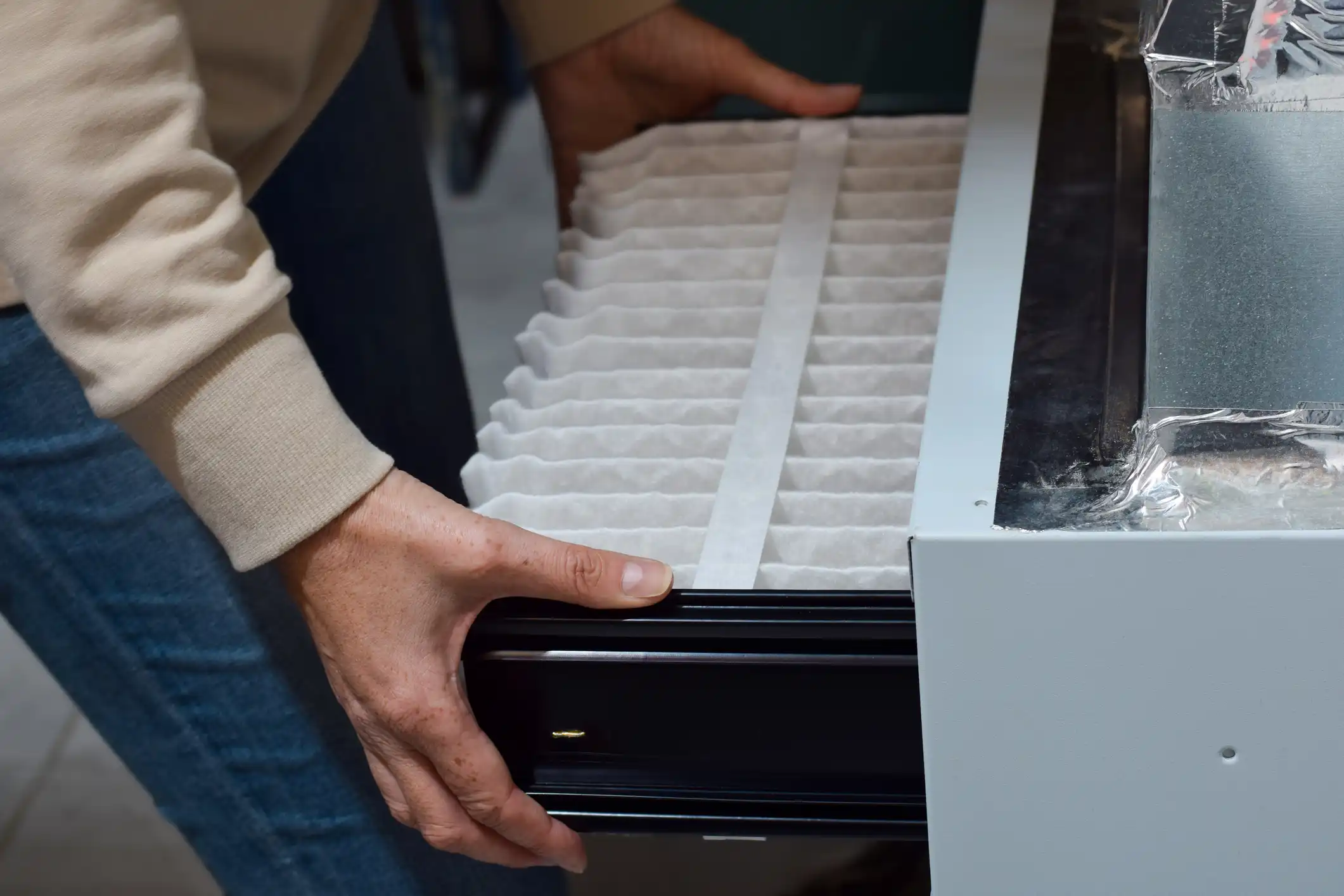
For Portland homeowners, whole-house air cleaners provide a robust solution by continuously filtering the air in every room and protecting your HVAC equipment. Our professional service helps you select from a range of options, including higher-MERV filters, in-duct HEPA systems, electronic cleaners, UVGI, and activated carbon media, to address pollen, smoke, dust, and odors. With a proper installation and accurate sizing, these systems ensure sustained reductions in PM2.5 and allergens, leading to improved energy efficiency and better system balance. We also provide diagnostic guidance and ongoing maintenance tips so you can maximize performance and quickly address any changes in your home’s air quality.
Whole House Air Cleaners in Portland, OR
Indoor air quality matters in Portland, OR. Whether you live near the river, in a densely treed neighborhood, or downwind from seasonal wildfires, airborne particles, allergens, and odors affect comfort and health. IAQ whole house air cleaners integrated with the HVAC system give Portland homes continuous, whole-home filtration - reducing dust on surfaces, cutting allergens in the air, and lowering fine particle levels (PM2.5) from smoke and traffic.
Why whole-house air cleaners make sense for Portland homes
Portland faces a mix of IAQ challenges: spring and summer pollen, fall and winter dampness that encourages mold spores, and increasingly frequent wildfire smoke events that raise fine particulate levels. Local homes also trap indoor sources like cooking fumes, pet dander, and household chemicals. A whole-house air cleaner works with your furnace or air handler to filter the entire airflow in the home, protecting every room rather than only the space near a portable unit.
Common homeowner benefits:
- Consistent reduction of airborne particulates, pollen, and pet dander
- Lower indoor PM2.5 during wildfire smoke episodes
- Reduced dust and HVAC system contamination
- Improved comfort for allergy or asthma sufferers
- Targeted control of odors and VOCs when using activated carbon media
Types of whole-house air cleaning technologies
Understanding the main technologies helps you choose the right system for your home in Portland.
- Mechanical filters (MERV ratings)
- MERV 6-8: basic dust and lint control
- MERV 9-12: better pollen, pet dander, and mold spore capture
- MERV 13: captures many fine particles including some PM2.5; recommended when wildfire smoke is a concern
- Higher MERV means better filtration but also higher airflow resistance; system compatibility checks are essential
- HEPA-style in-duct options
- True HEPA captures 99.97 percent of 0.3 micron particles. In-duct HEPA requires appropriate space and blower capacity. Very effective for smoke and fine particulates.
- Electronic air cleaners / electrostatic precipitators
- Use charged plates to remove particles. Effective for fine particles but require cleaning and may produce trace ozone; choose certified low-ozone models.
- UV germicidal irradiation (UVGI)
- Targets biological contaminants like mold and some bacteria. Best used with filtration in Portland homes that have moisture or mold concerns.
- Activated carbon and specialized media
- Remove odors and volatile organic compounds (VOCs), useful for wood smoke, cooking smells, and off-gassing furnishings.
Installation considerations for Portland homes
A successful whole-house air cleaner installation balances filtration performance with HVAC efficiency.
- System compatibility: Confirm your furnace or air handler can handle the increased static pressure from higher-MERV filters or HEPA modules. Many older systems need blower upgrades or bypass assemblies.
- Location and duct layout: Install at the air handler or return plenum for whole-home coverage. Ensure access for maintenance and filter changes.
- Sizing and airflow: Professionals size the filter media to preserve airflow and maintain heating and cooling performance.
- Zoning and airflow balance: If your home has multiple zones, ensure filtration is effective across zones or consider dedicated solutions for high-use areas.
- Electrical and mounting: Electronic cleaners and UVGI require wiring and safe mounting; in-duct HEPA units may need enclosure space.
Diagnosing indoor air problems and selecting the right solution
A targeted IAQ plan starts with diagnosis. Typical steps used by professionals include:
- Assess symptoms and triggers: allergies, persistent odor, visible dust, or recent wildfire smoke exposure.
- Inspect ducts and filter access: leaky or dirty ducts reduce effectiveness.
- Measure baseline: particle counters and humidity meters show particulate loads and moisture that promote mold.
- Recommend a solution: match filtration media and technology to the specific problem, occupancy, pets, and system capacity.
Common IAQ whole-house air cleaner issues in Portland OR:
- Reduced airflow after upgrading to a high-MERV filter without blower adjustment
- Frequent clogging in homes with heavy smoke or pet hair
- Persistent odors requiring activated carbon in addition to mechanical filtration
- Mold or microbial concerns needing UVGI paired with moisture control
Maintenance and ongoing performance
Whole-house air cleaners deliver best results with regular maintenance, especially in environments like Portland where seasonal changes and wildfire smoke affect particle loads.
Maintenance basics:
- Filter replacement frequency: Depends on filter type and local conditions. Typical ranges:
- Standard pleated filters: every 3 months
- High-MERV and HEPA filters: every 3 to 6 months, or sooner during wildfire smoke events
- Electronic cleaners: clean collector plates monthly to quarterly depending on loading
- Activated carbon: replace per manufacturer guidance or when odors reappear
- Visual checks: Inspect filters monthly during high-use seasons and after smoke events.
- System checks: Ensure blower and static pressure are measured annually to confirm the system is operating within safe limits.
- Duct cleaning and sealing: Periodic duct inspection reduces source particulates and improves circulation.
How to tell a filter needs changing:
- Noticeable decline in airflow or comfort
- Visible filter loading
- Reappearance of dust, odors, or allergy symptoms
- Increased runtime or cycling of HVAC equipment
Expected impact on indoor air quality in Portland homes
Installed and maintained correctly, a whole-house air cleaner will measurably improve the indoor environment:
- Lower PM2.5 and particulate counts, especially during wildfire smoke, reducing health risks associated with fine particles
- Fewer allergens and mold spores in the living space, easing seasonal allergy symptoms
- Decreased dust accumulation and HVAC component soiling, which helps efficiency and longevity
- Improved odor control when activated carbon or specialized media is used
- Less need for portable purifiers, since the whole home receives continuous filtration
When choosing IAQ whole house air cleaners in Portland, OR, balance filtration efficiency with HVAC capacity. For homes prone to wildfire smoke or high allergy sensitivity, aim for higher-efficiency media or HEPA-capable solutions while verifying blower and static pressure compatibility. For odor and VOC concerns common in urban areas, include activated carbon stages. Maintain filters proactively, especially during spring pollen season and wildfire periods, and schedule annual system checks that include airflow and static pressure testing.
Properly specified, installed, and maintained whole-house air cleaners provide consistent, home wide protection that addresses Portland-specific IAQ challenges while helping keep your HVAC system cleaner and more efficient.