Whole House Air Cleaners in Gresham, OR
An effective way for Gresham homeowners to improve indoor air quality is by integrating a whole-house air cleaner with their existing HVAC system. These systems address common local challenges like wildfire smoke, pollen, dust, and odors by treating the air as it circulates through your home.
Whole Air Cleaners in Gresham, OR
Indoor air quality is a critical comfort and health factor for Gresham, OR homes. Whole-house air cleaners integrate with your existing HVAC system to remove dust, pollen, pet dander, smoke, mold spores, and other contaminants from every room without the limitations of portable units. For families dealing with seasonal allergies, wintertime indoor humidity, or periodic wildfire smoke from the region, a well-chosen whole-house IAQ solution can produce noticeable improvements in breathing comfort, dust levels, and overall home cleanliness.
Common indoor air quality problems in Gresham homes
- Increased dust and settled particles in homes near trees or unpaved streets
- Seasonal pollen and mold spore spikes during spring and fall
- Occasional wildfire smoke infiltration with elevated fine particle (PM2.5) levels
- Odors and volatile organic compounds (VOCs) from household products, garages, or remodel work
- Persistent allergy symptoms despite regular cleaning
Understanding which of these issues affects your home is the first step in selecting the right whole-house air cleaner.
Types of whole-house air cleaners and filtration options
Whole-house air cleaners come in several technologies. Each has strengths and trade-offs depending on the contaminants you want to address.
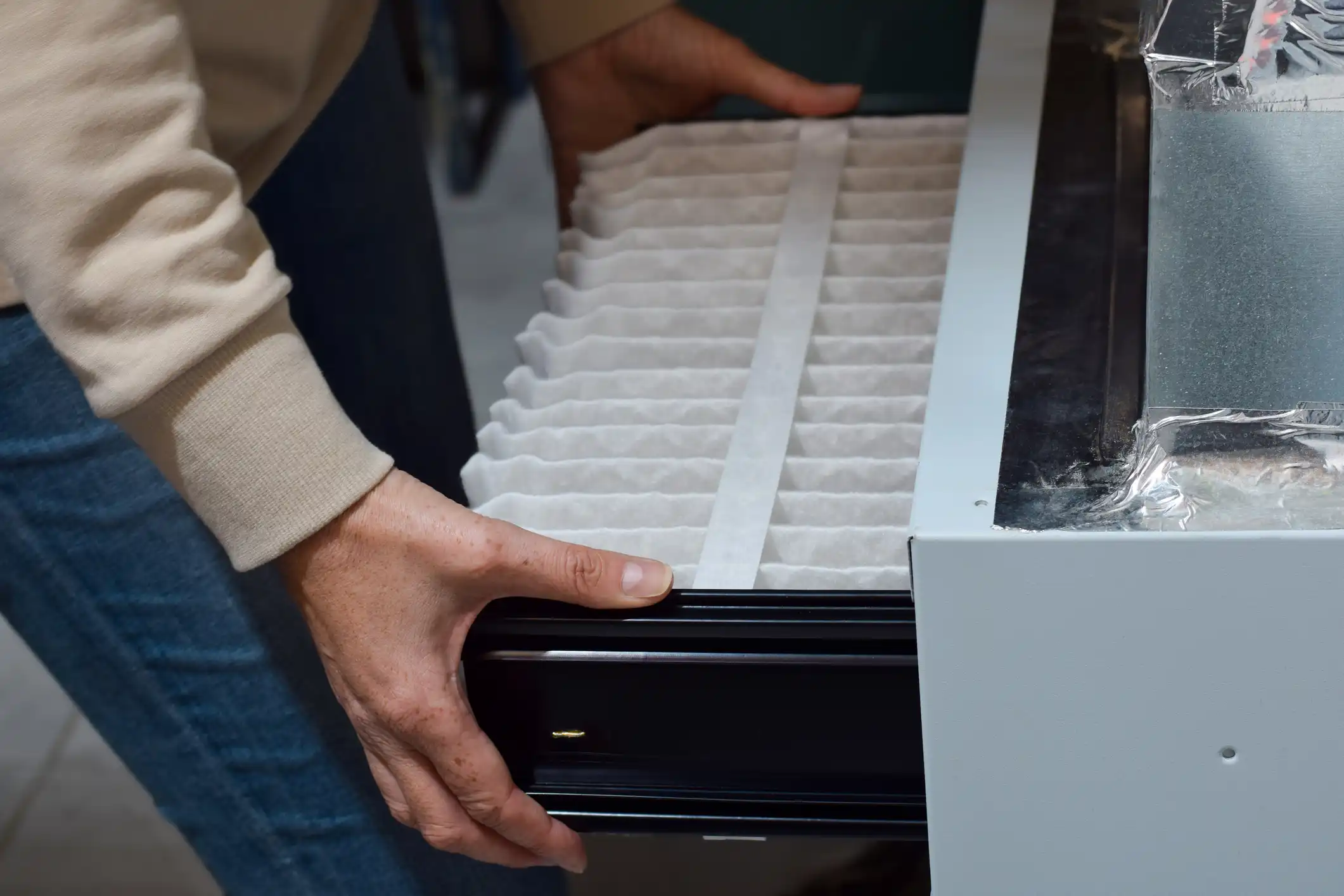
- Mechanical filters (MERV-rated)
- Common, reliable option installed in the return air plenum or a dedicated housing.
- MERV 8-11 captures larger particles like dust and pollen. MERV 13-16 captures smaller particles including many bacteria-sized particles and fine smoke particulates.
- Higher MERV ratings increase pressure drop; your HVAC system must be evaluated to ensure adequate airflow.
- True whole-house HEPA
- Captures 99.97% of particles 0.3 microns and larger. Requires a compatible housing and often a dedicated fan or bypass to maintain airflow without overloading the furnace or air handler.
- Best choice when wildfire smoke or severe respiratory sensitivity is the main concern.
- Electronic air cleaners and media electronic systems
- Use electrostatic precipitation to remove fine particles. Can be washable or require cell cleaning.
- Effective for fine particles but performance depends on maintenance and proper sizing.
- UV germicidal irradiation (UVGI)
- Targets bacteria, viruses, and mold on coils and in airstreams rather than removing particles.
- Often used in combination with filtration to reduce microbial growth on HVAC components in Gresham’s humid months.
- Activated carbon or charcoal filters
- Adsorb odors and many VOCs. Useful in homes with cooking odors, off-gassing materials, or nearby traffic smells.
Choosing the right mix of technologies is important. For example, combining a high-efficiency particulate filter with activated carbon addresses both particles and odors.
How whole-house air cleaners integrate with your HVAC system
Whole-house units are typically installed in the return duct or in a dedicated IAQ housing near the air handler. Key integration considerations:
- Airflow and static pressure: High-efficiency filters and HEPA units increase resistance. The air handler must be rated to handle the added pressure or a bypass/fan solution must be used.
- Location: Placement in the main return ensures all rooms are treated. Secondary returns and zoning can affect distribution.
- Controls: Many systems include monitors for pressure drop, filter life, and air quality sensors to adjust runtime or provide maintenance alerts.
- Compatibility: Older furnaces or undersized air handlers may need upgrading to avoid reduced comfort or higher energy use.
A proper evaluation confirms the HVAC system can support the chosen whole-house cleaner without sacrificing performance.
Typical installation process
- Home assessment: Technician reviews HVAC capacity, duct layout, and IAQ concerns such as allergies or smoke exposure.
- System selection: Based on contaminants, balance of filtration, and compatibility, a specific unit and filter strategy are chosen.
- Pre-install checks: Inspect ductwork, return locations, and electrical availability for powered units or UV lamps.
- Installation: Mounting the cleaner in the return plenum or dedicated housing, ensuring proper sealing and access for maintenance. For HEPA or powered solutions, install necessary blowers or bypass ducting.
- Testing and balancing: Measure static pressure, airflow, and ensure supply air distribution is not compromised. Some installations include an indoor air quality baseline for comparison.
- User orientation: Explain filter types, access points, and maintenance responsibilities.
Installation is performed to minimize disruption and to verify system safety and performance before leaving the home.
Maintenance requirements and lifetime care
Regular maintenance preserves performance and protects your HVAC equipment:
- Filter replacement:
- Mechanical filters: Replace on the manufacturer’s recommended schedule—commonly every 3 to 12 months depending on MERV rating, home occupancy, and local pollutants.
- HEPA or media filters: Inspect and replace per guidelines; higher particulate seasons require more frequent replacement.
- Electronic cleaner maintenance:
- Clean collection cells on the cycle recommended by the maker (often every 1 to 3 months) to prevent efficiency loss and ozone concerns.
- UV lamp replacement:
- UV lamps weaken over time; typical service intervals are 9 to 18 months depending on use.
- Monitor pressure drop:
- Devices that measure static pressure or filter differential can alert you when filters need changing before performance degrades.
- Duct sealing and HVAC maintenance:
- Sealing ducts and routine HVAC tune-ups reduce dust load and help the air cleaner work more effectively.
Proper maintenance not only maintains air quality but also extends equipment life and avoids unnecessary strain on the HVAC system.
What improvements to expect in Gresham homes
- Reduced visible dust and less frequent cleaning of surfaces and HVAC grilles
- Lower counts of pollen and allergy triggers during seasonal peaks
- Measurable reduction in fine particles (PM2.5) during wildfire smoke events when using high-efficiency filtration
- Fewer odors and reduced VOC concentrations when activated carbon is included
- Improved comfort and potentially fewer allergy or respiratory symptoms for sensitive occupants
Results depend on the system selected, proper sizing, and consistent maintenance. Homes with persistent issues like unsealed ducts, significant moisture intrusion, or ongoing indoor pollutant sources may require complementary actions to achieve the best outcomes.
Troubleshooting common issues
- Increased energy use or reduced airflow: Check filter MERV rating vs system capability; high MERV or clogged filters cause pressure drops.
- New or worsening odors: Replace saturated carbon filters and verify duct cleanliness.
- Noise after installation: Verify mounting, fan speeds, and that the air handler can handle additional load without strain.
- Ozone concerns with ionizers: Consider alternative technologies if occupants are sensitive to low ozone production.
Selecting the correct system for your home and following maintenance intervals addresses most issues before they affect comfort.
Whole-house IAQ systems tailored to Gresham, OR conditions provide meaningful reductions in dust, allergens, smoke, and odors when properly designed and maintained. Evaluate your home’s HVAC capacity, common seasonal pollutants like pollen and occasional wildfire smoke, and your primary indoor air concerns to choose the right filtration strategy. With the right integration and routine care, a whole-house air cleaner can deliver measurable improvements in indoor air quality and daily comfort across your entire home.