Whole House Air Cleaners in Amboy, WA
For homeowners in Amboy, WA, a whole-house air cleaner is a professional solution for improving indoor air quality by integrating directly with your furnace or air handler. These systems are designed to address common Pacific Northwest challenges like pollen, humidity, and wildfire smoke by using a range of technologies, including high-efficiency filters, HEPA options, activated carbon, and UV germicidal lamps to capture particulates, odors, VOCs, and microbes. Our process begins with a thorough evaluation for compatibility with your existing equipment, followed by a seamless installation, leading to expected results like improved comfort and fewer seasonal allergy symptoms. We also provide guidance on ongoing maintenance and seasonal adjustments, ensuring you have the right system for lasting peace of mind.
Whole House Air Cleaners in Amboy, WA
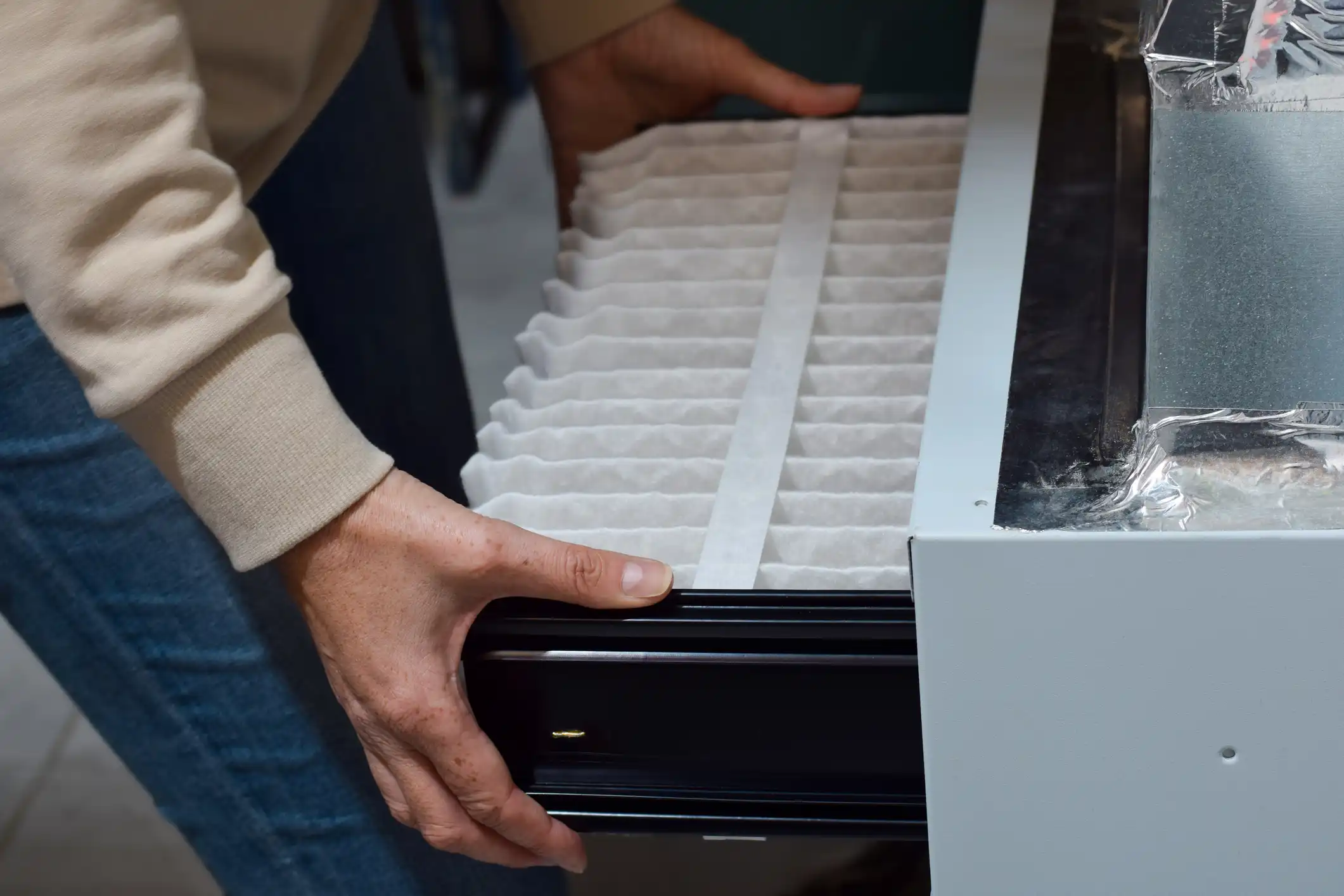
Whole-house air cleaners integrated with your HVAC system are one of the most effective ways to improve indoor air quality throughout an entire home. In Amboy, WA, where seasonal pollen, damp conditions that encourage mold, and periodic wildfire smoke can all affect indoor air, a properly selected and installed IAQ whole-house air cleaner helps reduce particulates, allergens, odors, and airborne contaminants from every room your HVAC serves.
Why whole-house air cleaners matter in Amboy, WA
Amboy’s Pacific Northwest climate brings a mix of indoor air challenges:
- Spring and early summer pollen from fir and alder trees increases seasonal allergy symptoms.
- High humidity in some months promotes dust mite activity and can contribute to mold in poorly ventilated spaces.
- Wildfire smoke events in the region raise indoor PM2.5 levels for days or weeks at a time.A whole-house cleaner treats air continuously through your central system, removing particulates and contaminants at the return side of the furnace or air handler so the air supplied to every living space is cleaner and healthier.
Common IAQ problems in Amboy homes and system choices
Typical indoor air quality issues and the whole-house solutions that address them:
- Allergens and dust: High-efficiency media filters (MERV 8 to 13) trap pollen, pet dander, and larger dust particles.
- Fine particulates and smoke (PM2.5): True HEPA captures 99.97% of particles 0.3 microns, but whole-house HEPA requires either a dedicated bypass system or a compatible high-MERV media filter paired with good duct sealing.
- Odors and VOCs from wood smoke or indoor activities: Activated carbon stages reduce odors and many gaseous contaminants.
- Biological contaminants: UV germicidal lamps installed near the coil can reduce microbial growth on surfaces; high-efficiency filters help reduce airborne bacteria and viruses but do not eliminate them entirely.
- Persistent dust in rooms: Electronic air cleaners and high-MERV media filters reduce dust recirculation when paired with proper filtration placement.
Evaluation and compatibility with your existing furnace or air handler
Not every whole-house cleaner is a plug-and-play for every system. A proper evaluation includes:
- Inspecting the furnace or air handler model, available space in the return plenum, and electrical capacity.
- Measuring static pressure and airflow to confirm the chosen filter or cleaner will not overly restrict airflow.
- Checking duct layout and return locations to ensure even distribution of cleaned air.
- Reviewing existing filtration (size, MERV rating) and the manufacturer’s recommendations for added components.
Compatibility notes for Amboy homes:
- Older furnaces and small air handlers may not tolerate very high-MERV filters without a variable-speed blower or professional recalibration.
- Homes with tight return plenums or limited space often use compact electronic or media cabinet solutions mounted in the return duct.
- If wildfire smoke is a seasonal concern, consider a two-stage strategy: high-MERV media during smoke events and standard filtration the rest of the year to balance airflow and efficiency.
Installation process and what to expect
A professional installation follows a predictable sequence to protect system performance and deliver reliable IAQ improvement:
- Pre-install assessment: system sizing, duct inspection, and static pressure baseline.
- Equipment selection: choose the right media filter, electronic collector, HEPA bypass module, or combined system (media + carbon or UV) for the home’s needs.
- Installation steps:
- Power down HVAC and isolate components.
- Mount the whole-house cleaner in the return plenum or air handler access, or install an inline cabinet as required.
- Make electrical and control connections for electronic units or UV lamps.
- Re-seal access panels and ensure filter access for future maintenance.
- Commissioning and testing: verify airflow, measure static pressure, and confirm proper operation of the blower and controls. A post-install walkthrough covers filter access and maintenance requirements.
Typical timeline: most retrofit installations for media or electronic whole-house cleaners are completed in a few hours to a day, depending on access and required duct modifications.
Expected results and realistic performance
Whole-house air cleaners significantly reduce airborne particulates when properly matched to the HVAC system:
- High-efficiency media filters and HEPA solutions can reduce the majority of pollen and dust and drastically lower visible dust and allergy triggers.
- During wildfire smoke events, upgraded filtration can lower indoor PM2.5 levels by a large percentage compared to no filtration, though complete elimination is unlikely without full sealing and temporary purging strategies.
- Odors and some VOCs are reduced when activated carbon stages are included. Important expectations:
- No system completely sterilizes indoor air; filters and cleaners reduce concentrations of contaminants and the frequency of exposure.
- Performance depends on proper installation, duct sealing, and consistent maintenance.
Maintenance, filter replacement, and seasonal tips for Amboy residents
Maintenance keeps whole-house cleaners working efficiently and protects HVAC longevity. Typical guidance:
- Media filters (MERV 8-13): inspect every 1-3 months, replace 3-12 months depending on load, seasonal pollen, and wildfire smoke exposure.
- Electronic air cleaners: clean collector cells per manufacturer guidelines, typically every 1-3 months, and replace worn components as needed.
- HEPA bypass modules: replace pre-filters and HEPA elements per manufacturer intervals, often 6-18 months depending on usage.
- Activated carbon stages: replace based on odor breakthrough or scheduled intervals.
- UV lamps: replace annually for consistent germicidal output. Seasonal advice for Amboy:
- Increase inspection frequency during spring pollen season and during any regional wildfire smoke events.
- Address humidity by pairing filtration with ventilation or dehumidification strategies to reduce mold risk.
- Keep return grilles clear and maintain good home sealing to maximize cleaner efficiency.
Selecting the right whole-house air cleaner for Amboy homes
When choosing a system, weigh these factors:
- Primary concern: allergies and dust vs smoke and odors vs microbial control.
- HVAC compatibility: space in the return, blower capability, and duct configuration.
- Long-term maintenance: media replacement costs, electronic cleaning requirements, and availability of parts.
- Performance metrics: target MERV rating, PM2.5 reduction expectations, and VOC adsorption capacity.
A properly selected and installed whole-house air cleaner integrated with your furnace or air handler offers measurable improvements in indoor comfort and health for Amboy homes. With attention to compatibility, routine maintenance, and seasonal adjustments for pollen and wildfire smoke, these systems provide continuous, homewide air treatment that supports better sleep, fewer allergy symptoms, and a cleaner living environment.