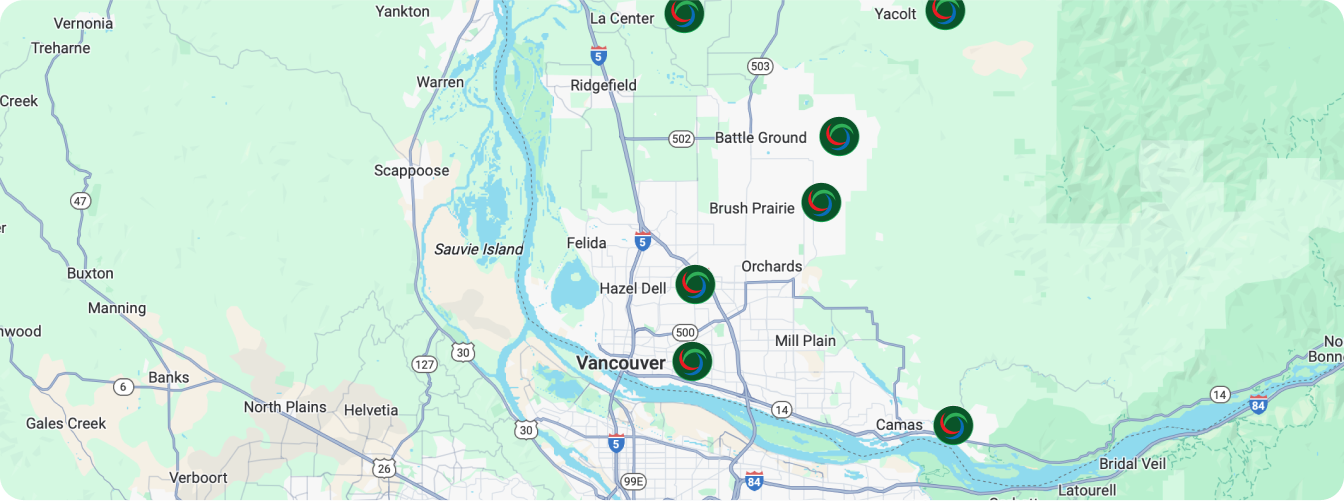
Heating Service in Ridgefield, WA
For Ridgefield, WA homes where damp winters and extended heating demand are the norm, professional heating service is a practical insurance policy. Diagnostic visits and preventive maintenance catch developing problems early, minor repairs restore reliable operation, and regular service intervals protect safety, efficiency, and long-term system value. Well-maintained heating equipment keeps your home comfortable and safer through Ridgefield’s cooler months while minimizing unexpected disruptions.
%2520(1).jpeg)
Heating Service in Ridgefield, WA
Keeping your home warm and safe during Ridgefield’s cool, damp months starts with reliable, expert heating service. Whether you have a gas furnace, heat pump, or hydronic system, routine heating service in Ridgefield, WA prevents emergency breakdowns, restores efficiency, and protects indoor air quality.
Why heating service matters in Ridgefield, WA
Ridgefield’s Pacific Northwest climate features long, moist winters and occasional cold snaps. That environment increases run-time on heating systems, accelerates corrosion on exposed components, and raises the risk of mold or moisture-related duct issues. Regular heating service:
- Reduces the chance of overnight failures on the coldest nights
- Maintains efficiency to control heating costs during high-usage months
- Identifies safety issues like carbon monoxide risk or cracked heat exchangers
- Improves comfort by fixing uneven heating, short cycling, or noisy operation
Common heating service types and issues in Ridgefield homes
Homeowners in Ridgefield most commonly request these services and repairs:
- Diagnostic visit and system evaluation for intermittent heating or unexplained high bills
- Annual heating tune-up for furnaces and seasonal checks for heat pumps
- Minor repairs: ignition/pilot adjustments, thermostat calibration, blower motor bearings, limit switches, relay replacements
- Drain and condensate checks for high-efficiency systems and heat pumps
- Duct inspection and cleaning for moisture-related mold or dust build-up
- Combustion analysis and carbon monoxide safety checks for gas appliances
- Refrigerant checks and defrost controls for heat pumps experiencing ice buildup
Typical causes include dirty air filters and coils, failing capacitors or motors, clogged condensate lines, thermostat miscalibration, venting obstructions, and natural wear on belts and bearings.
What a diagnostic visit covers
A diagnostic visit is the first step when your system is underperforming or making unusual noises. Expect a systematic, safety-focused inspection that includes:
- Visual and operational inspection of the furnace or heat pump
- Filter and airflow assessment
- Thermostat accuracy and control checks
- Burner and ignition system testing (for gas furnaces)
- Electrical component testing: capacitors, relays, fuses, and wiring
- Combustion and carbon monoxide checks for fuel-burning equipment
- Measurement of temperature splits and airflow to detect blockages or duct issues
- A recorded list of findings and recommended repairs or maintenance steps
The goal is to identify root causes, not just symptoms, and to provide clear options: simple repairs, recommended part replacements, or notes indicating the system is nearing end of expected life.
Preventive maintenance: what it includes and why it helps
A standard heating tune-up for Ridgefield homes typically includes:
- Replacing or inspecting air filters and recommending proper filter types and frequencies
- Cleaning burners, pilot assemblies, and heat exchanger surfaces where accessible
- Lubricating motors and bearings, tightening electrical connections
- Inspecting and testing safety devices and limit switches
- Checking and calibrating the thermostat and control settings
- Verifying ignition timing and combustion efficiency on gas appliances
- Inspecting ducts, vents, and combustion air openings for blockage or deterioration
- Testing heat pump reversing valves, defrost controls, and refrigerant condition where applicable
Regular maintenance reduces fuel or electricity usage, extends equipment life, helps prevent sudden failures, and maintains safer operation—especially important in damp Ridgefield conditions that can hasten corrosion or create condensation issues.
Minor repairs commonly handled during service visits
Many problems can be corrected on the spot during a maintenance or diagnostic appointment:
- Replacing worn belts or drive components
- Swapping failed capacitors or relays to restore blower or compressor function
- Clearing condensate lines and drain pans to prevent overflow and mold growth
- Adjusting pilot and ignition systems to restore reliable starts
- Sealing or adjusting duct connections to improve airflow and comfort balance
- Replacing thermostats or recalibrating settings for accurate temperature control
Technicians will document replaced parts and explain how the repair addresses the underlying issue, along with recommendations if additional repairs or a replacement will be needed soon.
Recommended service intervals for Ridgefield systems
To keep heating systems reliable in Ridgefield’s climate:
- Gas furnaces: annual professional tune-up before the heating season
- Heat pumps: professional service twice yearly is ideal—fall before heating season and spring before cooling season—to check defrost cycles and refrigerant levels
- Older systems (15+ years) or units with heavy run-time: consider more frequent inspections every 6 months
- Air filters: check monthly; replace every 1 to 3 months depending on filter type, occupancy, and pets
- Duct inspections: every 2 to 3 years or sooner if you notice reduced airflow, persistent dust, or moisture signs
Following these intervals reduces emergency calls during cold snaps and helps detect moisture-related issues early.
What to expect from professional responsiveness
In Ridgefield, timely and transparent service matters because cold nights can make even minor failures urgent. Professional heating service providers typically offer:
- A clear explanation of findings and repair options after diagnostic checks
- Transparent descriptions of safety risks and necessary corrective actions
- Prioritization of safety-related fixes like carbon monoxide leaks or cracked heat exchangers
- Same-day or next-day minor repairs when parts are available, and scheduled follow-up for more complex work
Expect technicians to leave a prioritized checklist of recommended actions and simple maintenance tips you can perform between professional visits.
Seasonal tips to extend system life and improve comfort
Simple steps Ridgefield homeowners can take between services:
- Replace or clean filters regularly and use the filter rating recommended for your system
- Keep outdoor heat pump units clear of leaves, brush, and winter debris
- Maintain clear airflow around vents and registers; do not block returns with furniture
- Run a humidifier or dehumidifier as needed to control indoor moisture and limit condensation on ductwork
- Install and regularly test carbon monoxide detectors if you have combustion appliances
- Note and document any recurring symptoms-odd smells, noises, cycling, or uneven heating-to help technicians diagnose faster
Routine heating service combined with these habits reduces breakdown risk, lowers energy use, and preserves indoor air quality.