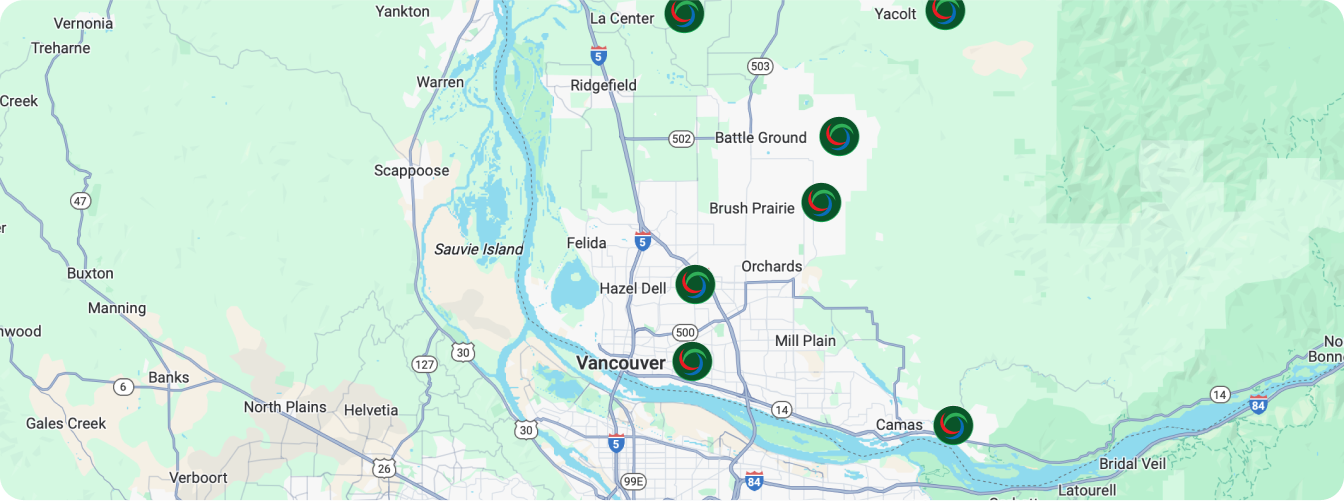
Heating Service in La Center, WA
La Center’s Pacific Northwest climate-mild summers and long, wet cool seasons-puts unique demands on heating equipment. High humidity encourages condensation and corrosion in outdoor heat pump components and condensate lines, while frequent on-off cycling during shoulder seasons stresses ignition systems and electrical parts. Local service providers tailor diagnostics and maintenance to these conditions, focusing on moisture control, refrigerant performance, combustion safety for gas systems, and airflow to combat damp, musty homes.
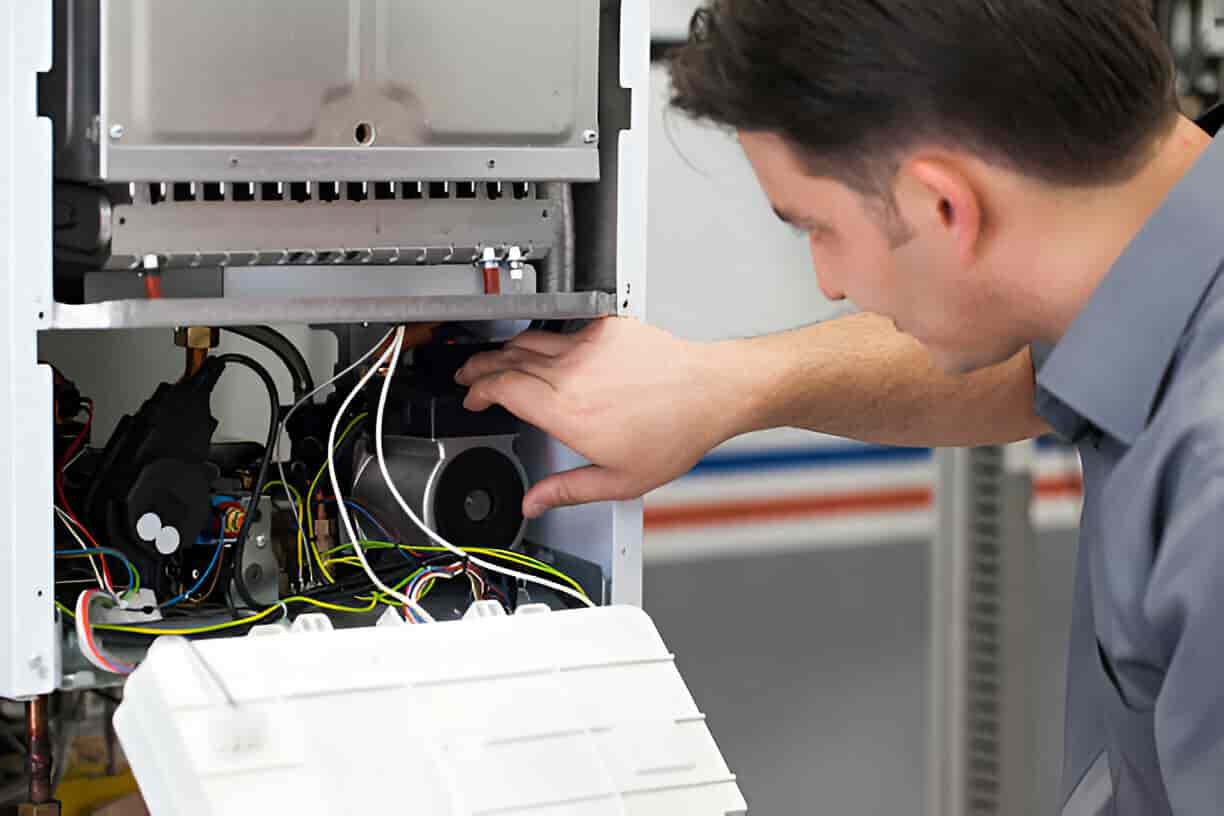
Heating Service in La Center, WA
An effective heating service keeps your home warm, safe, and energy efficient through the cool, damp winters typical of La Center, WA. Whether you have a gas furnace, heat pump, or ductless system, targeted routine diagnostics and prompt minor repairs reduce breakdown risk, lower operating costs, and extend equipment life.
Common heating systems in La Center homes
- Gas furnaces (natural gas): common for reliable, fast heat in colder snaps.
- Heat pumps (air-source): increasingly popular for year-round heating and cooling efficiency.
- Ductless mini-splits: common in additions, older homes without ductwork, or for zoned comfort.
- Boiler systems and radiant heat: present in some older or retrofitted homes.
Each system has specific service needs; a thorough heating service will identify and address those differences.
Typical problems and how diagnostics find them
Common heating issues in La Center include:
- Reduced heat output or uneven heating across rooms
- Short cycling or frequent on/off cycles
- Frosting or poor defrost performance on heat pumps
- Noisy operation from bearings, fans, or airflow restrictions
- Dirty or clogged condensate drains leading to shutdowns or leaks
- Ignition or flame sensor failure in gas furnaces
- Increased energy bills despite normal use
Standard diagnostic steps used to identify causes:
- Visual and audible inspection of indoor and outdoor units
- Thermostat calibration and control-system checks
- Airflow measurement and filter/duct inspection
- Combustion analysis and venting checks for gas appliances (safety-focused)
- Refrigerant pressure checks, evaporator/condenser performance for heat pumps
- Electrical testing of capacitors, contactors, relays, and motor currents
- Moisture and corrosion inspection for outdoor and condensate components
These diagnostics determine whether an issue is a simple tune-up, a minor repair, or a more significant component replacement.
What a routine heating service includes
A complete heating service visit typically covers:
- System start-up and safety checks (gas leak and venting where applicable)
- Visual inspection of heat exchanger, burner assembly, flue, and refrigerant lines
- Clean or replace air filters and inspect return/ductwork for blockage
- Lubricate bearings and moving parts where applicable
- Test thermostat operation and controls; recalibrate if needed
- Clean condensate traps and clear drain lines to prevent moisture-related shutdowns
- Check and test electrical connections, capacitors, and motors
- Measure airflow and temperature rise across the furnace or heat pump
- Verify defrost cycles and refrigerant charge on heat pumps
- Provide a written summary of findings and recommend next steps
A thorough routine service not only addresses current issues but also uncovers developing problems before they cause failures during cold weather.
Minor repairs commonly completed on-site
Many repairs discovered during routine service are minor and can be completed during the same visit:
- Replace or clean flame sensors and igniters
- Replace capacitors, contactors, or relays that are failing but not catastrophically damaged
- Clear or repair condensate lines and pans
- Tighten electrical connections and replace fuses or breakers tied to the HVAC system
- Adjust or replace thermostats and sensors for better control
- Repair minor refrigerant leaks or recharge to correct pressures (depending on regulations and leak severity)
- Replace blower belts or clean blower assemblies to restore airflow
Fixing these items promptly prevents larger failures and improves system efficiency.
Recommended service intervals for La Center homes
- Annual furnace tune-up: once per year, ideally in early fall before the heating season.
- Heat pump: at least once per year; twice for older units or homes with heavy seasonal use (pre-winter and pre-summer checks).
- Ductless systems: annual inspection and filter cleaning; more frequent service if used year-round.
- Air filters: check monthly; replace every 1–3 months depending on filter type and household factors (pets, dust, allergies).
- Duct inspection and cleaning: every 3–5 years or when airflow problems are detected.
Regular scheduled maintenance helps catch moisture and corrosion issues early in La Center’s wet climate.
Response times and emergency expectations
Industry norms for local heating service response vary by provider and season:
- Emergency heating failures (no heat during cold weather) are typically prioritized with same-day or next-day response where possible.
- Urgent repairs that impair performance but do not create immediate safety concerns are often addressed within 24–72 hours.
- Routine maintenance and inspections are usually scheduled in advance and may be booked days to weeks ahead, with fall slots filling fast.
Plan service early in the season to avoid peak-demand delays and ensure technicians can perform preventive checks before cold spells.
How regular heating service preserves comfort, safety, and savings
- Energy efficiency: Properly tuned systems operate closer to their rated efficiency, avoiding the gradual 5–15% losses that occur with neglected equipment.
- Reliability: Preventive maintenance reduces the chance of mid-winter breakdowns and keeps systems running when you need them most.
- Safety: Combustion checks and vent inspections reduce carbon monoxide and fire risks for gas systems.
- Longevity: Addressing small failures (worn motors, failing capacitors) prevents cascade failures that shorten equipment life.
- Indoor air quality: Clean filters, ducts, and condensate systems reduce dust, allergens, and moisture-related mold risk in damp La Center homes.
Simple homeowner checks between services
- Replace or inspect filters monthly during heavy use.
- Keep outdoor units clear of vegetation, leaves, and debris to prevent airflow and moisture buildup.
- Ensure vents and returns inside the house are unobstructed.
- Test carbon monoxide detectors monthly and replace batteries as needed.
- Note any unusual noises, odors, or performance changes and record when they occur for technician diagnostics.
When maintenance is performed on a predictable schedule and adapted to La Center’s climate, heating systems run cleaner, safer, and more efficiently through every season. Regular professional service turns reactive emergency repairs into proactive care that maintains comfort and protects your heating investment.