Heating Repair in Amboy, WA
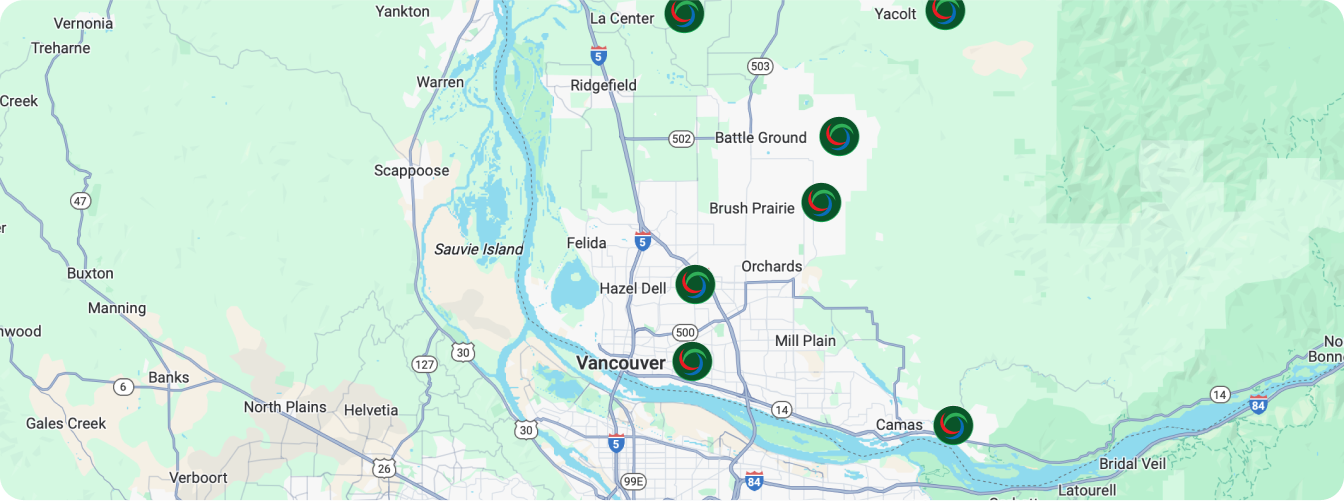
Heating repair in Amboy, WA, emphasizing timely diagnostics and local expertise to address fall and winter wear. We resolve common issues such as thermostat problems, ignition and flame sensor faults, blower motor and heat exchanger concerns, fuel and electrical faults, and control-board failures.
Heating Repair in Amboy, WA
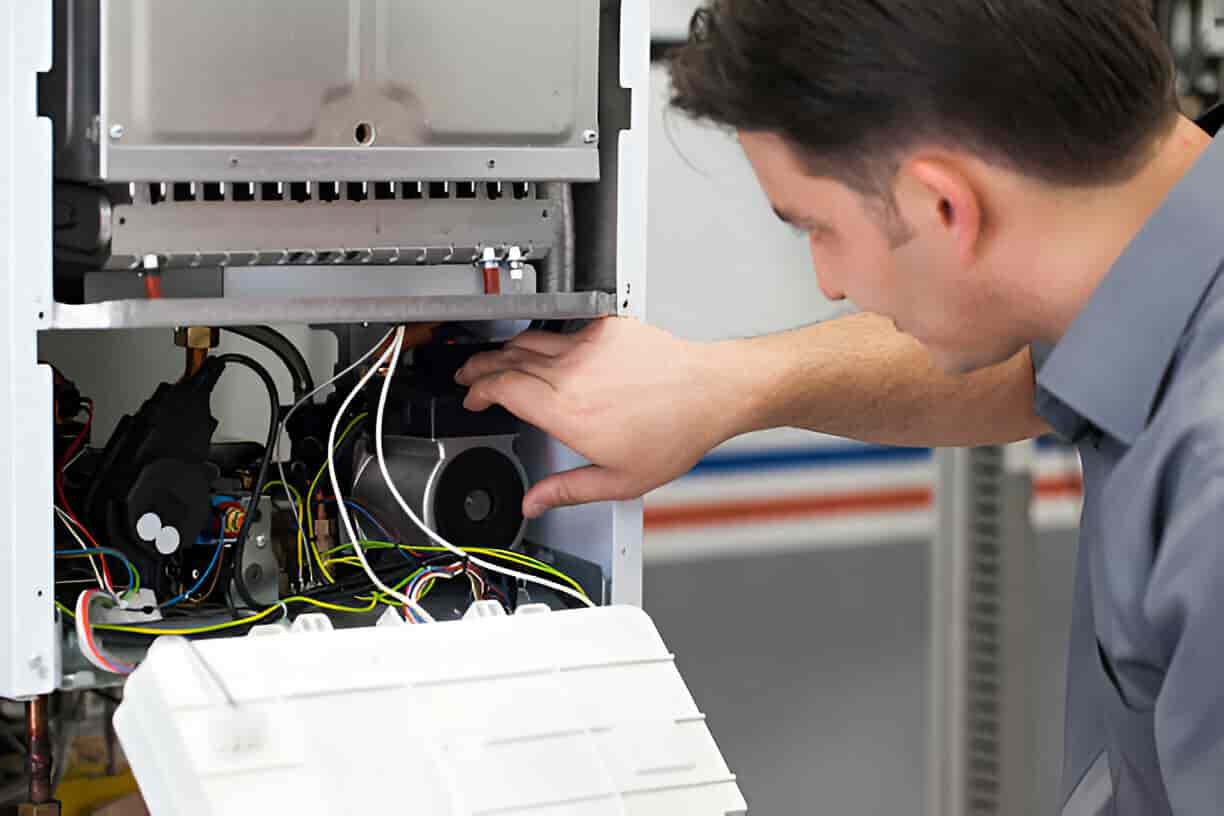
When your heating system struggles in Amboy, WA, you need fast, reliable repairs from technicians who understand local conditions. Amboy winters are cool and damp, which increases demand on furnaces and heat pumps and accelerates wear on ignition components, flame sensors, and blower motors.
Why timely heating repair matters in Amboy, WA
- Amboy’s fall and winter humidity encourages corrosion and soot buildup, which can cause ignition failure, clogged burners, and blocked heat exchangers.
- Older homes in the area often have legacy duct systems or aging furnaces that need more frequent attention.
- Prolonged heating failures during colder months raise safety risks such as carbon monoxide leaks and electrical faults.
Understanding the risks and fixing issues quickly protects comfort, safety, and energy bills.
Common heating repair issues in Amboy homes
Below are the failures technicians see most often when called for heating repair in Amboy, WA.
- Thermostat problems
- Dead batteries, bad wiring, or incorrect thermostat configuration.
- Calibration drift causing short cycling or failure to call for heat.
- Ignition and flame sensor issues
- Pilot or electronic ignition failure, dirty or weak flame sensors causing shutdown.
- Corroded ignitors or intermittent ignition sequences.
- Blower motor and circulation problems
- Failing blower motors, worn belts, or bad capacitors reducing airflow.
- Dirty filters and restrictive ductwork leading to overheating and short cycling.
- Heat exchanger concerns
- Cracks or severe corrosion can cause combustion gas leakage and carbon monoxide risk.
- Age-related degradation that requires careful inspection and often replacement.
- Fuel and combustion faults
- Gas valve failures, incorrect gas pressure, or burner misalignment.
- Sooted burners from incomplete combustion.
- Electrical and control board failures
- Faulty relays, sensors, or control boards that prevent system startup.
- Tripped safety switches caused by high limit temperatures or blocked vents.
What a professional diagnostic inspection includes
A thorough diagnostic inspection isolates the root cause before any repair work is performed. Typical steps include:
Visual and safety inspection
- Check for obvious damage, corrosion, or disconnected components.
- Inspect vents, flues, and combustion areas for blockages or soot.
Thermostat and control verification
- Confirm thermostat settings, wiring integrity, and control signals.
Ignition and combustion testing
- Observe ignition sequence, check flame quality and flame sensor operation.
- Measure gas valve operation and burner flame characteristics.
Electrical and motor testing
- Test blower motor, capacitors, and electrical connections for continuity and correct voltages.
Heat exchanger and CO risk assessment
- Inspect heat exchanger for visible cracks or corrosion; perform combustion analysis where needed.
- Recommend CO monitoring solutions if risk factors are present.
Ductwork and airflow assessment
- Measure static pressure and airflow where appropriate; inspect filters and registers.
Diagnostics often reveal multiple contributing issues. A clear repair plan should identify which fixes are critical for safety and which improve efficiency or longevity.
Typical repair steps and parts availability
Repairs are staged to restore safe, efficient operation while minimizing downtime.
- Initial safety shutoff and isolation of power and fuel sources.
- Replace or clean flame sensors and ignitors; replace faulty gas valves or control modules.
- Repair or replace blower motors, belts, or capacitors to restore airflow.
- Replace damaged limit switches or control relays to correct cycling issues.
- For cracked heat exchangers, professional evaluation will determine if repair is possible; in many cases replacement of the furnace or heat source is recommended for safety.
- Clear and clean burners, and adjust combustion for optimal efficiency.
- Reassemble, test, and verify operation across multiple cycles.
Local technicians serving Amboy typically carry common parts on service trucks - ignitors, flame sensors, thermostats, capacitors, blower motors, belts, and common control boards - enabling faster same-day repairs when possible. For less common or manufacturer-specific components, parts are sourced quickly from regional distributors to minimize downtime.
Warranties and parts protection
- Manufacturer warranties often cover major components for specified periods; warranty scope varies by brand and age.
- Service providers commonly offer parts and labor warranties for a defined period after repair. Verify the length and what is included - some warranties exclude labor on certain parts or require maintenance compliance.
- Keep records of repairs and receipts to support warranty claims with manufacturers or distributors.
Recommended follow-up maintenance for Amboy homeowners
Regular preventative care reduces the likelihood of emergency repairs and extends equipment life.
- Annual heating tune-up in fall before the heavy-use season: includes combustion check, filter replacement, ignition and safety checks, lubrication, and efficiency tuning.
- Replace filters every 1-3 months depending on type and household needs (pets, dust).
- Install and maintain carbon monoxide detectors on each floor and near sleeping areas; test batteries regularly.
- Keep vents, returns, and outdoor intakes clear of vegetation, debris, and snow during winter months.
- Consider a maintenance plan that documents regular service intervals and provides priority diagnostics during peak season.
Benefits of prompt, local repair service in Amboy
- Faster response times reduce cold exposure and limit secondary damage from frozen pipes or prolonged system stress.
- Technicians familiar with Amboy-specific challenges - damp winters, older home stock, local fuel supply considerations - diagnose problems more accurately.
- Local parts access and truck stocking increase the chance of same-day resolution for common failures.
When a heating system problem shows up in Amboy, WA, a methodical diagnostic and repair approach focused on safety, parts availability, and follow-up maintenance offers the most reliable outcome. Prompt attention to ignition, blower, thermostat, and heat exchanger issues not only restores comfort but protects your household from efficiency losses and safety hazards. Regular tune-ups and sensible preventative steps will keep your system running dependably through Amboy’s cooler months.