Heating Maintenance in Portland, OR
For Portland homeowners, regular heating maintenance is the key to preventing unexpected breakdowns and ensuring your gas furnace or heat pump operates safely and efficiently. Our professional service addresses common local issues, from rust caused by humidity and dirty filters to ignition problems and frost on heat pumps. A typical tune-up includes essential safety tests for carbon monoxide risks, a thorough cleaning, thermostat calibration, and duct checks, all documented in a written report with clear recommendations. Enrolling in a maintenance plan simplifies scheduling and provides consistent care, helping you avoid an emergency, extend your system's life, and keep your home reliably warm year-round.
Heating Maintenance in Portland, OR
Keeping your home warm, safe, and efficient through Portland's cool, damp winters starts with a reliable heating maintenance program. Regular heating maintenance prevents unexpected breakdowns on chilly nights, reduces energy use, and keeps combustion systems operating safely in older houses and newer installations alike.
Common heating issues in Portland homes
- Corrosion and moisture-related wear: Portland's high humidity and frequent rain accelerate rust and corrosion on metal components, especially in older furnaces and venting systems.
- Reduced efficiency from dirty filters and ducts: Clogged filters, dusty heat exchangers, and leaky ducts force systems to run longer, increasing energy bills.
- Pilot light and ignition problems: Gas furnaces that sit unused for months can develop ignition issues requiring cleaning or adjustment.
- Heat pump performance variations: Many Portland homes use heat pumps. Cold, wet weather and brief freezes can cause frost and extra defrost cycles that reduce efficiency if not checked.
- Carbon monoxide and combustion safety risks: Improper venting, cracked heat exchangers, or blocked flues are hazards that need testing and repair.
- Inconsistent airflow and thermostat calibration: Rooms that stay cold or hot spots often come from broken dampers, dirty blowers, or miscalibrated thermostats.
What a professional heating maintenance visit includes
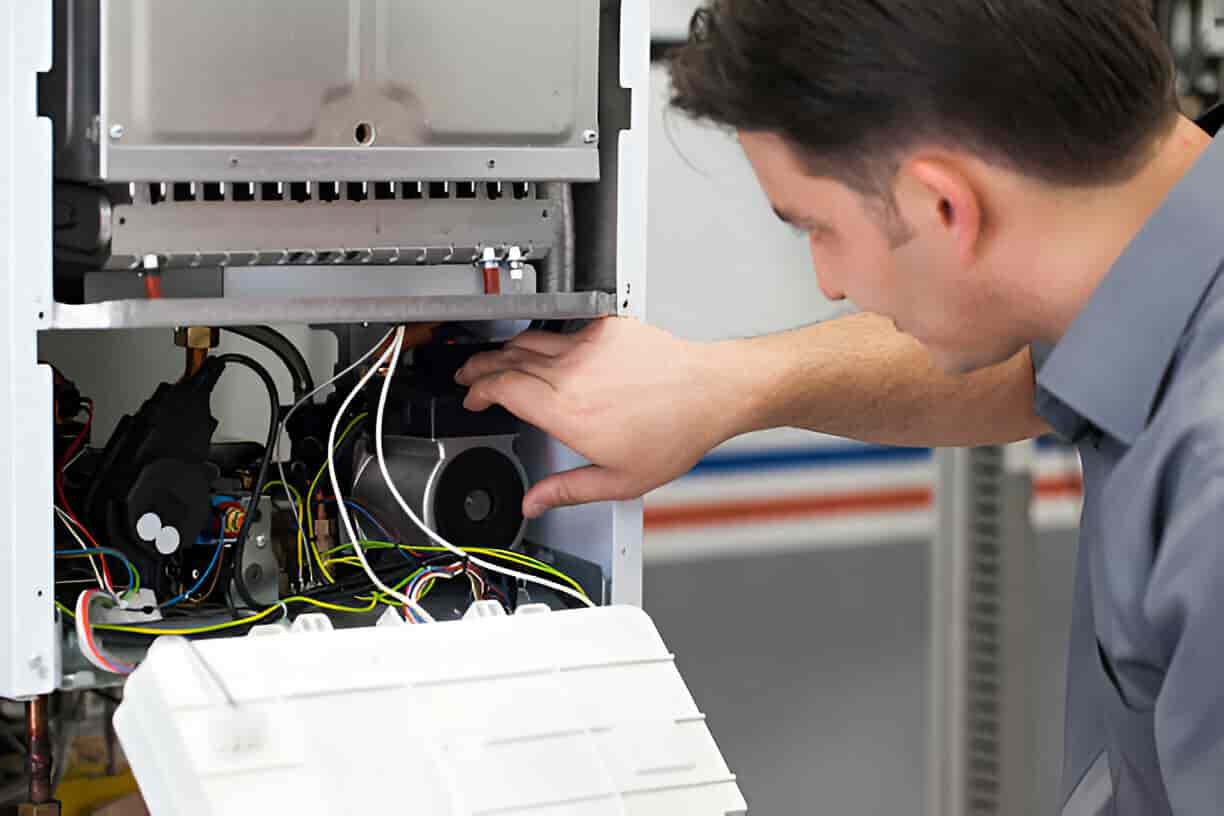
A thorough heating tune-up addresses safety, reliability, and efficiency. Typical tasks performed during a maintenance visit in Portland include:
- Visual inspection of the entire heating system, venting, and combustion areas to spot corrosion, leaks, or blocked vents.
- Safety checks and testing - combustion analysis when applicable, CO testing, and verification of proper venting and flame quality.
- Filter inspection and replacement guidance - changing disposable filters or cleaning reusable filters according to the system’s needs.
- Electrical and electrical-connection checks - tightening terminals, checking capacitors and controls to prevent failures.
- Blower and motor service - cleaning the blower assembly, checking motor bearings and belt tension.
- Heat exchanger and burner cleaning - removing soot and deposits to maintain efficient combustion and reduce CO risks.
- Thermostat calibration and system performance testing - ensuring setpoints match actual temperatures and cycling is appropriate.
- Refrigerant and defrost inspection for heat pumps - checking refrigerant levels, reverser valve operation, and defrost cycles.
- Duct system look-over - checking for obvious leaks, loose connections, and insulation gaps that reduce efficiency.
- Written report and recommended repairs - a clear summary of findings, priority items, and efficiency optimization suggestions.
Many heating systems benefit from an annual heating tune-up before the heating season begins; heat pumps and homes with older equipment may benefit from semi-annual checks.
Filter replacement and indoor air quality in Portland
Portland homeowners should pay special attention to filters and indoor air quality. Wildfire smoke in late summer and fall can leave fine particles in the home, making higher-efficiency filters important for those concerned about air quality. Key filter guidance:
- Replace standard disposable filters every 1 to 3 months depending on use and household factors like pets.
- Consider filters with higher MERV ratings for better particle capture, but confirm compatibility with your furnace blower to avoid airflow restriction.
- Clean or replace washable filters regularly and inspect any whole-home air cleaners or UV systems included in the HVAC system.
- Use filtration upgrades seasonally during wildfire smoke events and return to standard maintenance once outdoor air improves.
Efficiency optimization and performance diagnostics
A maintenance visit is an opportunity to tune your system for optimal efficiency:
- Verify airflow and static pressure to ensure the blower is pushing enough air without excessive strain.
- Measure system runtime and cycling to identify short cycling or oversized equipment.
- Check gas pressure, ignition timing, and burner efficiency on combustion systems.
- For heat pumps, confirm correct refrigerant charge, compressor health, and defrost timing.
- Recommend duct sealing and insulation improvements when losses are found, since even well-maintained equipment wastes energy with leaky ducts.These diagnostics translate directly to lower operating costs and fewer emergency repairs over time.
Benefits of enrolling in a heating maintenance plan in Portland
Enrolling in a maintenance program turns one-off tune-ups into a proactive plan with practical benefits:
- Predictable, scheduled maintenance before peak season to avoid last-minute service calls.
- Documented service history that helps maintain equipment warranties and improves resale value.
- Priority scheduling during high-demand periods and quicker response times when problems arise.
- Discounted rates on parts and repairs and often lower diagnostic fees compared to ad hoc service.
- Extended equipment life and fewer disruptive breakdowns through routine care and early problem detection.
- Consistent indoor comfort and improved safety via scheduled safety checks and carbon monoxide testing.
How enrollment and scheduling typically work
Most maintenance programs are structured to make ongoing care simple and consistent:
- Choose a plan that matches your system type: gas furnace, boiler, heat pump, or hybrid systems. Heat pump plans may include both heating and cooling checks.
- Agree on frequency: annual for many furnaces, semi-annual for heat pumps or whole-system coverage covering both heating and cooling seasons.
- The program includes scheduled reminders and an agreed service window for tune-ups, plus record keeping of service history.
- Plans generally include a list of covered tasks and clearly identify which items would be considered additional repairs.
- Maintenance agreements are transferable with the home in many cases and provide documented proof of ongoing care for buyers.
Seasonal tips and quick checklist for Portland homeowners
- Schedule your heating tune-up in late summer or early fall to ensure readiness before cold weather.
- Replace or clean filters as directed and keep a supply of the correct size on hand.
- Ensure outdoor vents and flues are clear of debris, leaves, and nests.
- Test CO detectors monthly and replace batteries annually.
- Keep the area around the furnace free of clutter to ensure proper airflow and safe access for service.
Regular heating maintenance keeps Portland homes safe, comfortable, and energy efficient through damp winters and variable shoulder seasons. A well-structured maintenance plan provides predictable service, documented system care, and the diagnostics needed to avoid emergency repairs and control operating costs over the life of your equipment.