Heating Maintenance in Camas, WA
A Regular heating maintenance in Camas, WA helps protect comfort, safety, and efficiency for heat pumps and gas furnaces. We explain how tune-ups reduce energy bills, prevent cold-weather breakdowns, and safeguard indoor air quality, and it lists common local issues such as dirty filters, ignition problems, duct leaks, and IAQ concerns. We describe a typical seasonal tune-up checklist, diagnostic steps, and prioritized repairs, then compares Basic, Comprehensive, and Premium maintenance plans and seasonal care tips. Seasonal schedules, filter guidance, and plan selection tips help homeowners decide.
Heating Maintenance in Camas, WA
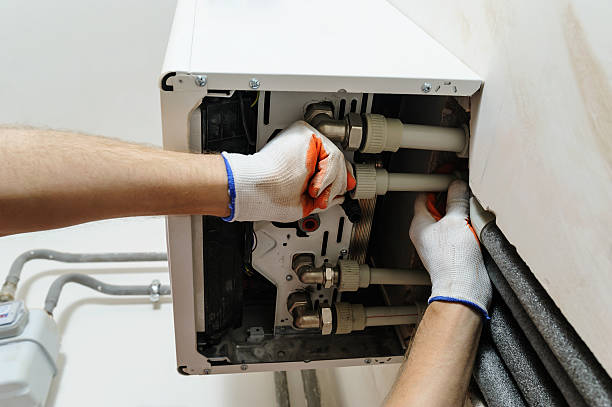
Keeping your heating system well maintained is one of the smartest decisions you can make as a homeowner in Camas, WA. Routine heating maintenance reduces the risk of cold-weather breakdowns, improves efficiency during long wet winters, extends equipment life, and helps protect indoor air quality during Pacific Northwest smoke and pollen seasons.
Why heating maintenance matters in Camas, WA
Camas experiences cool, wet winters with periodic cold snaps and spring pollen. Many homes rely on heat pumps or gas furnaces to stay comfortable. Moisture and seasonal temperature swings place extra stress on components like outdoor heat pump coils, condensate drains, and furnace burners. Without scheduled tune-ups you can expect higher energy bills, uneven home comfort, and a greater chance of emergency repairs during the coldest nights.
Regular maintenance also reduces safety risks with gas equipment. A professional inspection can detect cracked heat exchangers, combustion problems, or elevated carbon monoxide levels before they become hazardous.
Common heating issues in Camas homes
- Dirty or clogged filters - Reduced airflow causes system strain, higher energy use, and uneven heating.
- Reduced heat pump performance - Wet weather and debris around outdoor units can cause icing, inefficient defrost cycles, and low heat output.
- Ignition and burner problems - Gas furnaces can develop ignition delays, dirty burners, or pilot issues that reduce reliability.
- Electrical and control faults - Loose connections, failing capacitors, and miscalibrated thermostats lead to intermittent operation.
- Duct leaks and poor airflow - Leaky ducts in older homes waste heat and create hot and cold spots.
- Corrosion and condensate blockages - High humidity and seasonal weather can accelerate corrosion on components and clog condensate drains.
- Indoor air quality concerns - Wildfire smoke and spring pollen in the region increase demand for clean filters and IAQ solutions.
What a seasonal heating tune-up includes
A professional seasonal tune-up gives you a thorough inspection and targeted service to restore safe, efficient operation. Typical elements include:
- Visual inspection of the furnace or heat pump and surrounding system
- Filter inspection and replacement per recommended schedule
- Combustion and flue inspection for gas furnaces; heat exchanger check for cracks
- Carbon monoxide testing and safety verification on combustion systems
- Electrical checks - tightening connections, testing capacitors, and verifying controls
- Thermostat calibration and control function testing
- Burner cleaning, ignition system check, and pilot adjustment for gas units
- Outdoor unit cleaning, coil and fan inspection, refrigerant level check for heat pumps
- Condensate drain clearing and pump function check
- Airflow and static pressure assessment to identify duct or blower issues
- Lubrication of moving parts where applicable and belt inspection
- Efficiency and performance check - measuring temperature rise, supply/return differentials, and system cycling
Filter replacement schedule and IAQ tips
- 1-inch fiberglass filters: inspect monthly; replace at least every 30 days.
- Pleated filters (MERV 8-11): check every 3 months; replace every 3 months or sooner with pets/allergies.
- High-efficiency filters (MERV 13+ or HEPA in whole-house systems): change per manufacturer, often 3-6 months; monitor pressure drop.
- In Camas, consider changing filters more frequently during smoke events and spring pollen season to preserve indoor air quality.
- Add a whole-house electronic air cleaner, UV germicidal lamp, or a dedicated ERV/HRV for homes needing improved ventilation and filtration.
How technicians diagnose and prioritize repairs
Technicians use a structured diagnostic approach to find problems quickly and accurately:
- Review system history and homeowner observations.
- Conduct safety checks - gas leaks, CO levels, electrical hazards.
- Measure performance - airflow, temperature rise, refrigerant pressures, and electrical draws.
- Inspect mechanical components - burners, heat exchanger, fans, motors, and outdoor coils.
- Assess ductwork for leaks or insulation issues.
- Recommend prioritized repairs and maintenance actions based on safety, efficiency impact, and cost-effectiveness.
This approach minimizes unnecessary work and focuses first on safety and reliability, then on efficiency improvements that lower ongoing operating costs.
Maintenance plan options for Camas homeowners
Homeowners commonly select from tiered maintenance plans that fit different needs and budgets. Typical plan structures include:
- Basic Plan
- One annual heating tune-up
- Filter inspection and replacement guidance
- Basic safety checks
- Comprehensive Plan
- Biannual visits (heating tune-up in fall, cooling tune-up in spring)
- Priority scheduling during peak season
- Filter delivery or replacement service
- Discounted diagnostic fees and parts
- Premium Plan
- All Comprehensive features plus annual indoor air quality assessment
- Duct pressure testing or sealing option
- Extended parts warranties or labor discounts on qualifying repairs
Selecting the right plan depends on your system type, household health needs, and how critical uninterrupted heating is for your family. Heat pump systems often benefit from year-round program coverage because they are used for both heating and cooling in mild Pacific Northwest climates.
Benefits of timely maintenance
- Fewer unexpected breakdowns during cold snaps
- Lower energy bills through improved efficiency
- Longer equipment life and delayed replacement costs
- Safer operation of gas furnaces and combustion appliances
- Better indoor air quality during smoke and pollen seasons
- Preserved manufacturer warranties that require regular maintenance
Seasonal care checklist for Camas homeowners
- Schedule a heating tune-up in early fall before prolonged cold sets in.
- Change filters before and after high pollen and wildfire smoke seasons.
- Keep outdoor heat pump units free of leaves, debris, and overgrowth.
- Insulate and seal ducts in attics and crawlspaces to prevent heat loss.
- Use programmable or smart thermostats to reduce runtime without sacrificing comfort.
Proper heating maintenance tailored to Camas weather and home conditions keeps your system reliable, efficient, and safe. Regular inspections and a clear maintenance plan are the best defenses against costly repairs and uncomfortable winters.