Heating Maintenance in Brush Prairie, WA
Keeping your heating system well maintained is one of the most effective ways to stay comfortable, lower energy bills, and avoid emergency repairs during Brush Prairie winters. Heating maintenance in Brush Prairie, WA focuses on seasonal tune-ups, filter changes, coil cleaning, safety inspections, and performance testing tailored to local conditions like damp coastal-influenced winters and occasional cold snaps. Regular preventive care catches small problems before they become costly breakdowns and helps systems run safely and efficiently in the climate of Southwest Washington.
Why heating maintenance matters in Brush Prairie homes
Brush Prairie experiences cool, wet winters and periodic freezing temperatures. Those conditions create specific pressures on heating equipment:
- Increased runtime during colder months raises wear on components.
- Higher indoor humidity and outdoor moisture accelerate dirt buildup, corrosion, and mold growth in ductwork and coils.
- Heat pumps are common in the region and need seasonal checks to ensure efficient refrigerant charge and defrost operation in low temps.
- Gas furnaces require combustion and venting checks for safe operation after long idle periods.
A proactive maintenance program addresses these regional challenges so your system performs reliably when you need it most.
Common heating maintenance issues in Brush Prairie
Homeowners in Brush Prairie frequently encounter the following problems that regular maintenance can prevent or correct:
- Restricted airflow from clogged filters and dirty ducts, causing short cycling and higher energy use
- Reduced heat output due to dirty heat exchanger, burners, or coils
- Refrigerant loss and inefficient heat pump operation in cold weather
- Corroded or blocked flue and venting on gas furnaces
- Failing blower motors, belts, or bearings because of lack of lubrication and cleaning
- Condensate drain clogs and microbial growth in humid conditions
- Thermostat calibration drift, producing uneven comfort and wasted energy
What a professional heating tune-up includes
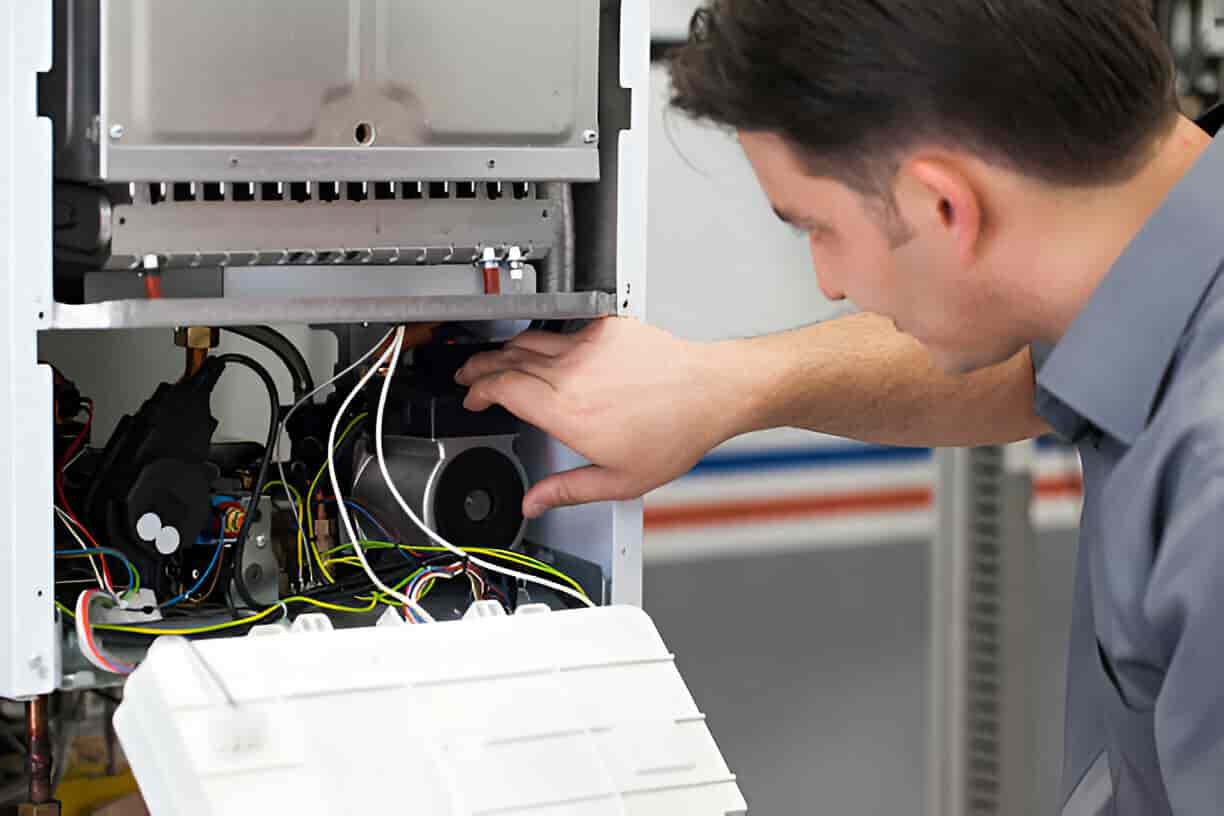
A comprehensive seasonal tune-up covers inspection, cleaning, testing, and basic adjustments designed to restore peak performance. Typical steps include:
- Visual inspection of the entire heating system and associated ductwork for leaks, corrosion, and visible damage
- Filter check and replacement or recommendation of appropriate filter media (MERV suggestions based on indoor air quality needs)
- Cleaning of coils, burners, blower assembly, and accessible duct surfaces to improve airflow and heat transfer
- Lubrication of motors and moving parts, and inspection/replacement of belts as needed
- Combustion analysis and safety checks on gas furnaces (including flame sensor, ignition system, and proper venting)
- Refrigerant level check and defrost cycle test for heat pumps, plus performance check at lower temperatures
- Electrical inspection - tightening connections, testing capacitors, relays, and controls
- Thermostat calibration and verification of control sequencing
- Performance testing - system temperature rise, airflow measurements, and efficiency indicators
- Condensate drain inspection and cleaning to prevent overflow and microbial growth
Technicians document findings and recommend repairs or upgrades when components are nearing failure or when safety issues are detected.
Repairs and solutions commonly performed during maintenance visits
When maintenance uncovers issues, common solutions include:
- Filter upgrades and scheduled filter-change plans to reduce particulate load and protect equipment
- Coil and burner cleaning to restore heat transfer and combustion efficiency
- Refrigerant leak detection and repair followed by recharge to correct low-cooling or poor heat pump performance
- Replacement of worn blower motors, belts, or bearings to restore airflow and prevent motor burnout
- Flue and vent cleaning or repair for safe exhaust on gas systems
- Sealing duct leaks and insulating accessible duct runs to reduce heat loss
- Installing or calibrating smart thermostats for better control and energy savings
These targeted repairs reduce the likelihood of midwinter failures and can extend the service life of your heater.
Cost savings and broader benefits of preventive maintenance
Regular heating maintenance delivers measurable savings and comfort improvements:
- Improved efficiency can lower heating energy use and reduce monthly utility bills
- Catching small issues early reduces the frequency and cost of major repairs or premature replacements
- Extended equipment life delays capital expense for replacement systems
- Safer operation for gas-fired systems through verified combustion and venting checks
- More consistent comfort with balanced airflow and properly calibrated controls
- Better indoor air quality by reducing dust, mold, and particulate circulation
Manufacturers frequently require routine maintenance to keep warranties valid, so staying current with scheduled service can preserve warranty coverage for key components.
Maintenance plan options for Brush Prairie homeowners
Maintenance plans are structured to fit different needs and system types, typically offering:
- Seasonal tune-ups scheduled before the heating season and again before cooling season for dual-system homes
- Priority scheduling or diagnostic discounts for plan members (plan features vary)
- Planned filter-change programs and reminders to maintain proper airflow and IAQ
- Documentation of service history useful for warranty claims and home resale
Plans can be tailored for single-family homes, new construction, or light commercial properties common in the Brush Prairie area. Choosing a plan that includes both heat pump and furnace checks is useful for hybrid systems used in this region.
How often and when to schedule service
- Schedule a heating tune-up once per year, ideally in early fall before prolonged cold weather. For heat pumps, an annual check is also recommended ahead of colder months.
- Homes with high indoor pollutants, pets, or residents with allergies may benefit from semiannual service and more frequent filter replacement.
- If your system shows signs like uneven heating, strange noises, increased energy bills, or frequent cycling, schedule a diagnostic inspection promptly to avoid emergency failures.
Simple maintenance you can do between professional visits
- Replace or check filters every 1-3 months depending on filter type and household conditions
- Keep vents and registers clear of furniture and debris to maintain airflow
- Keep the outdoor heat pump unit clear of leaves and debris; ensure 2 feet of clearance around the unit
- Monitor system performance and note any unusual sounds or smells for early reporting