Heat Pump Service in Woodland, WA
We provide guidance on keeping heat pumps reliable in Woodland, WA through preventive maintenance, diagnostics, and timely repairs. Details common issues (airflow restrictions, refrigerant and electrical problems, icing, faulty reversing valves, noisy outdoor units) and what a professional inspection covers (visual checks, refrigerant, temperatures, airflow, coils, drainage, controls). We explain emergency options, recommended tune-up frequency (twice yearly), routine checks, and whether a maintenance plan makes sense. Also helps homeowners decide when repair vs. replacement is appropriate and offers maintenance tips.
Heat Pump Service in Woodland, WA
Keeping your heat pump running reliably and efficiently is essential for Woodland, WA homes. With our cool, damp Pacific Northwest climate and occasional cold snaps, heat pumps do double duty year-round - heating during winter and dehumidifying and cooling in summer. Professional heat pump service in Woodland, WA focuses on preventive maintenance, accurate diagnostics, timely repairs, and clear guidance on when replacement is the right choice. This page explains typical problems, what a professional inspection includes, emergency options, recommended service intervals, and whether a maintenance plan makes sense for your home.
Why regular heat pump service matters in Woodland, WA
Woodland’s mild but wet winters and humid summers create conditions that affect heat pump performance. Moisture promotes coil fouling and corrosion, while fluctuating temperatures stress electrical components and defrost systems. Regular service:
- Preserves efficiency and reduces energy costs.
- Restores proper refrigerant charge and airflow for consistent comfort.
- Prevents freeze-ups and costly compressor failures during cold spells.
- Extends system life and helps avoid mid-season breakdowns.
Common heat pump issues in Woodland, WA
Understanding frequent problems helps you spot trouble early. Common heat pump issues in Woodland include:
- Reduced airflow from clogged filters, dirty coils, or blocked vents.
- Short cycling or inefficient heating due to low refrigerant or failing thermostatic controls.
- Icing or poor defrost performance in colder stretches.
- Noisy outdoor unit from worn fan motors or loose mounting hardware.
- Electrical problems: tripped breakers, bad capacitors, or failing contactors.
- Refrigerant leaks or degraded performance in older R-22 systems.
- Faulty reversing valve or control board causing incorrect heating/cooling mode.
What a professional diagnostic and service visit includes
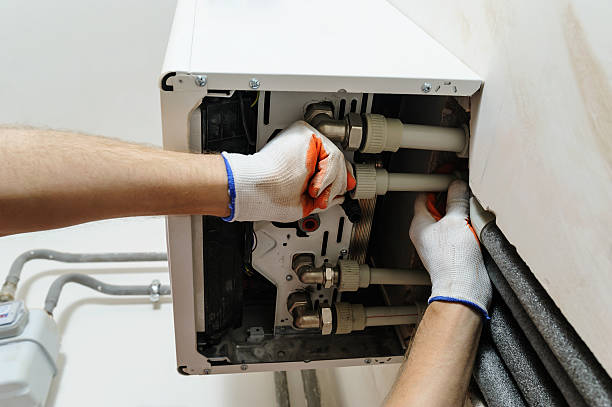
A qualified technician follows a systematic process to find and fix problems while optimizing efficiency. Typical diagnostic steps and service tasks:
- Visual inspection of indoor and outdoor units for damage, corrosion, debris, and clearances.
- Check refrigerant levels and pressures; locate and evaluate leaks if present.
- Measure temperatures, airflow, and amp draws to identify inefficient components.
- Inspect and clean coils, condensate drains, and blower assembly to restore airflow.
- Test defrost cycle and reversing valve operation for proper winter performance.
- Evaluate electrical connections, capacitors, relays, and safety controls.
- Calibrate thermostat and verify system controls and sequence of operation.
- Provide a written summary of findings and prioritized repair recommendations.
Technicians aim to explain issues in plain language and show how repairs will improve comfort and energy use.
Typical repairs and solutions offered
Repair options depend on diagnostics and system age. Common repairs include:
- Filter and coil cleaning to restore airflow and performance.
- Refrigerant leak repair and recharge (using approved refrigerant for your system).
- Fan motor replacement, capacitor or contactor replacement to restore reliability.
- Defrost sensor and control repairs to prevent ice buildup.
- Replacing reversing valves, compressors, or control boards when necessary.
- Thermostat replacement or control upgrades for better system communication.
- Duct sealing and airflow balancing to improve overall system efficiency.
When repairs are made promptly and correctly, most issues are resolved without a full system replacement.
Emergency heat pump service in Woodland
Breakdowns during a cold snap are stressful. Emergency service options typically prioritize:
- Diagnosis and temporary fixes to restore heat quickly (safety-first).
- Temporary heat solutions while waiting for parts or major repairs.
- Fast identification of components requiring replacement to minimize repeat visits.
Emergency service is valuable when a failing component risks freezing, loss of heat, or safety hazards from electrical faults.
Recommended service intervals and routine maintenance
A proactive maintenance schedule prevents most mid-season failures. Recommended intervals:
- Heat pump tune-up: twice yearly - once before heating season (fall) and once before cooling season (spring). These tune-ups include the full diagnostic checklist above.
- Air filter checks: monthly to every three months depending on filter type and household conditions. Replace or clean as needed.
- Coil and drain cleaning: annually, or more often in damp, pollen-heavy months.
- Duct inspection and sealing: every 2–3 years or when you notice uneven temperatures or dirt buildup.
- Thermostat and control checks: during each tune-up.
Following these intervals keeps performance optimal and helps detect small problems before they turn into major repairs.
Is a maintenance plan worth it for Woodland homeowners?
A maintenance plan is often a smart choice for Woodland homes because it offers predictable, scheduled service that reduces the risk of seasonal failures. Typical benefits include:
- Priority scheduling during peak seasons and faster emergency response.
- Lower long-term repair costs through preventive care and early detection.
- Consistent documentation of system history, which helps identify recurring issues and supports warranty compliance.
- Often reduced rates on parts and labor and seasonal tune-up reminders.
Consider a maintenance plan if your heat pump is the primary heat source, your household values uninterrupted comfort, or the system is between 5–15 years old and you want to extend its useful life.
When repair isn’t the best option
Repairing is not always the most economical choice. Consider replacement when:
- Your heat pump is older than about 10–15 years and shows declining efficiency.
- Repair costs are a significant fraction of replacement cost or failures are frequent.
- The system uses obsolete refrigerant that is costly or restricted.
- You want higher efficiency or more modern controls that will lower operating costs.
A technician can provide a replacement vs. repair cost comparison and expected payback based on your Woodland climate and energy use.
- Stay proactive: biannual tune-ups and regular filter changes deliver the best balance of reliability and efficiency.
- Watch for warning signs: unusual noises, rising energy bills, uneven heating, or frequent cycling all warrant inspection.
- Keep outdoor units clear of vegetation, debris, and winter ice buildup to preserve airflow and prevent corrosion.
- Document service visits so you and future buyers have a clear maintenance history.
Professional heat pump service in Woodland, WA protects comfort and investment. With local weather patterns and humidity in mind, regular preventive care and informed repair decisions keep your system running efficiently year-round.