
Garage Heating and A/C in Brush Prairie, WA
Reliable Garage Heating and A/C Services in Brush Prairie, WA
Keeping a garage comfortable and usable year-round in Brush Prairie, WA requires solutions tailored to the Pacific Northwest climate: cool, damp winters, occasional freezing nights, and mild summers. Properly designed garage heating and A/C improves comfort for hobbies and workshops, protects vehicles and stored items from moisture damage, and reduces condensation and mold risk. Below is a clear, practical guide to common systems, sizing and installation concerns, insulation and ventilation best practices, energy and cost tradeoffs, and recommended maintenance and warranty/financing options for Brush Prairie homes.
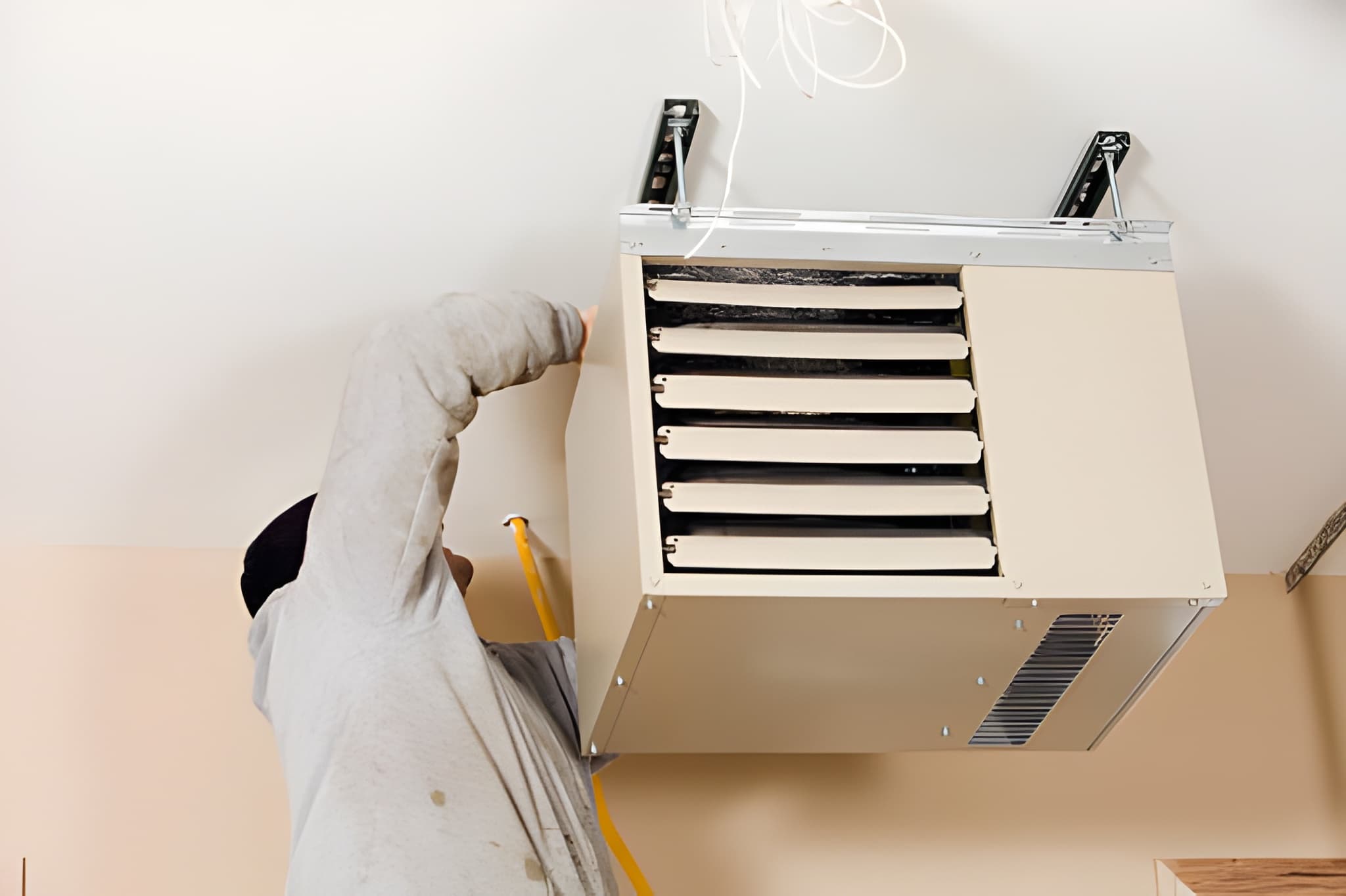
Common garage heating and cooling systems
Understanding the typical options helps match performance, budget, and space needs.
- Electric garage heaters (forced-air or radiant)
- Pros: Lower upfront cost, simple installation, good for occasional use.
- Cons: Higher operating cost for continuous heating; less effective at dehumidifying.
- Best for: Small to mid-size garages used intermittently or as supplement heat.
- Ductless mini-split heat pump systems
- Pros: High efficiency, both heating and cooling, inverter-driven for precise temperature control, minimal ductwork.
- Cons: Higher installation cost than simple electric heaters, but lower running cost.
- Best for: Detached or attached garages converted to workshops or living spaces where year-round comfort and humidity control matter.
- Compact packaged units and gas wall furnaces
- Pros: Powerful output for larger spaces; packaged units can combine heating and cooling.
- Cons: Require appropriate venting and combustion air when gas-fired; likely higher installation complexity.
- Best for: Large garages or mixed-use spaces needing robust capacity.
Sizing, load calculations, and what matters in Brush Prairie
Correct sizing prevents short cycling, high bills, or underperformance. For garages in Brush Prairie, factor in:
- Garage volume (square footage and ceiling height)
- Insulation levels of walls, roof, and garage door
- Whether the garage is attached or detached (attached garages lose heat into the home and vice versa)
- Door exposure and frequent opening
- Local climate: moderate heating needs with high humidity and occasional subfreezing nights
Typical sizing guidance (ballpark - confirm with a professional load calculation):
- Small, insulated garage (200-400 ft2): 6,000-12,000 BTU or a 9,000-12,000 BTU mini-split
- Larger or poorly insulated garages: 15,000-30,000 BTU or packaged units
Always use a formal heat loss/gain calculation that considers R-values, infiltration, and planned usage. Oversizing leads to humidity problems and inefficiency; undersizing leaves the space uncomfortable.
Insulation, air sealing, and ventilation recommendations
A well-insulated and ventilated garage reduces equipment size, saves energy, and controls moisture.
- Insulation priorities:
- Walls: target at least R-13 where practical for single-stud walls.
- Ceiling/roof: aim for R-30 to R-38 if the attic above is unconditioned.
- Garage door: use an insulated door or add R-6 to R-12 door insulation panels for significant gains.
- Air sealing:
- Seal gaps around door frames, windows, and the threshold to minimize cold drafts and humidity infiltration.
- Weatherstrip the garage door and use a threshold seal to prevent moisture and pests.
- Ventilation:
- Provide controlled ventilation to avoid buildup of vehicle exhaust and fumes; mechanical ventilation or a timer-driven exhaust fan can help.
- For gas-fired equipment, ensure proper combustion air per code and install a CO alarm in the garage and adjacent living areas.
Installation steps and safety/code considerations
Installations for garages come with specific safety and code issues that protect occupants and homes.
- Typical installation workflow:
- Site assessment and measurement, including insulation audit and electrical/gas availability.
- Load calculation to size equipment and estimate airflow.
- Equipment selection and permit submission where required.
- Installation: mount unit, run electrical/gas, refrigerant lines if applicable, set up controls, and make necessary sealing and duct connections.
- Startup, commissioning, and safety checks (CO testing, electrical disconnects, thermostat calibration).
- Inspection per local building codes.
- Safety/code points:
- Combustion appliances must get sufficient combustion air and venting; many jurisdictions require sealed combustion for garages attached to living spaces.
- Maintain required clearances from combustibles and flammable storage.
- Electrical work should comply with National Electrical Code and local amendments; garages often require dedicated circuits and GFCI-protected receptacles.
- Fire separation between garage and occupied spaces (fire-rated drywall, self-closing doors) is commonly mandated.
Energy efficiency and cost comparisons
Choosing the right system balances upfront cost, operating cost, and long-term comfort.
- Electric heaters: low upfront cost but higher operating cost during frequent use. Good for supplemental heat or occasional use.
- Ductless mini-splits (heat pumps): higher upfront cost but significantly lower operating cost and better humidity control. In the mild winters of Brush Prairie, heat pumps are often the most energy-efficient long-term choice.
- Packaged units/gas furnaces: may be cost-effective if natural gas is available and if the garage needs continuous heat. Consider venting and combustion safety.
Insulation and air sealing frequently deliver the biggest ROI. Reducing heat loss by improving insulation can allow selection of a smaller, less expensive unit and reduce operating expenses.
Maintenance plans, warranties, and financing
Long-term reliability and predictable costs come from proper maintenance and warranty coverage.
- Maintenance plans (typical features):
- Annual or biannual tune-ups for heating and cooling components
- Filter changes, coil cleaning, and refrigerant pressure checks for heat pump systems
- Electrical connection tightening and safety checks
- Priority service and diagnostic visits included in many plans
- Warranties:
- Manufacturer warranties commonly cover parts from 5 to 10 years; compressors or major components may have extended warranties up to 10–12 years depending on brand.
- Ask about labor coverage and options to extend warranty length.
- Financing:
- Many homeowners use financing plans to spread the upfront cost of higher-efficiency systems or full conversions. Options include low-interest loans, deferred interest plans, or equipment financing tailored to home improvement projects.