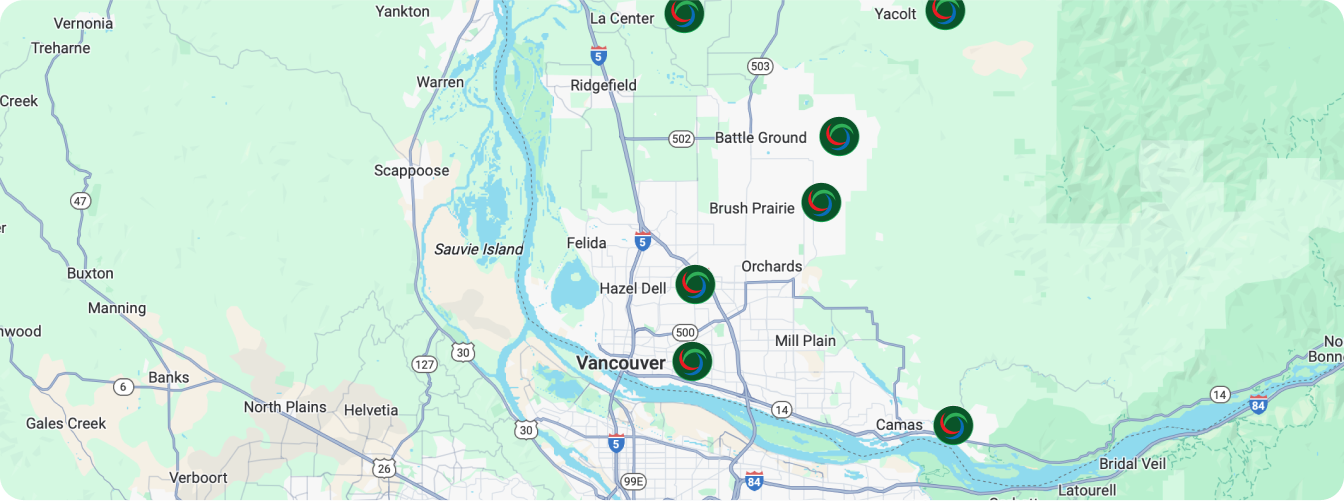
Air Conditioning Tune-Up in Vancouver, WA
Keeping your air conditioner running reliably and efficiently is especially important in Vancouver, WA, where warm, humid summer days and occasional heat waves make home cooling essential. An annual AC tune up detects small problems before they become breakdowns, restores peak performance, and helps protect indoor comfort when temperatures climb. Below is a clear, expert overview of what a professional Air Conditioning Tune Up in Vancouver, WA includes, how it helps, and what to expect.
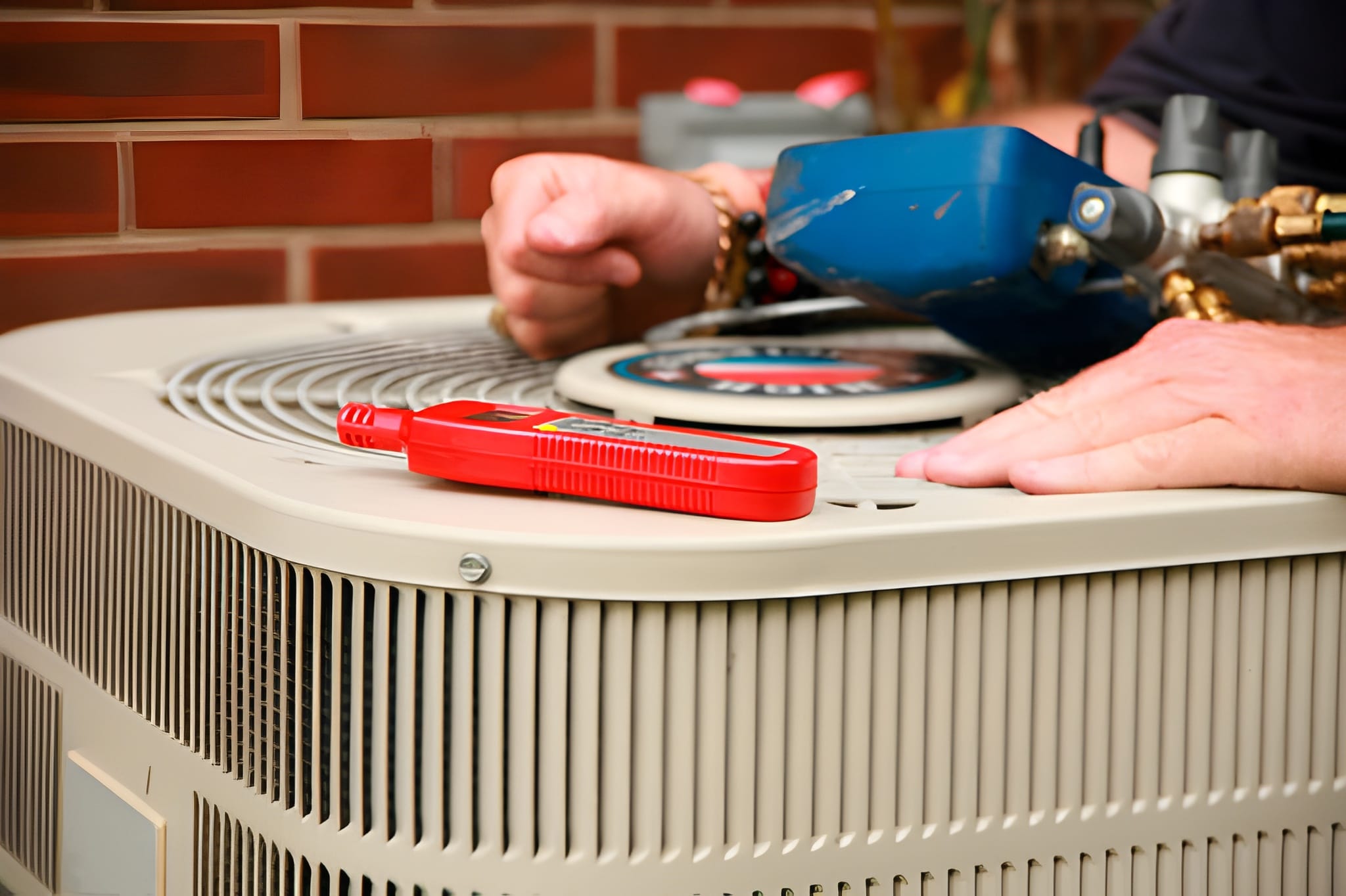
Why an AC tune up matters in Vancouver, WA
- Vancouver's Pacific Northwest climate brings cool, wet winters and muggy summers. Seasonal humidity increases strain on cooling systems and raises the risk of condensate issues and coil corrosion.
- Spring tune ups prepare systems for higher summer demand, reducing the chance of mid-season failures when repair response times can be longer.
- Local air quality challenges, including pollen and occasional wildfire smoke, increase filter loading and make maintenance more important for indoor air quality.
Common AC problems we find during tune ups in Vancouver, WA
- Clogged or dirty air filters that restrict airflow and reduce efficiency
- Dirty evaporator or condenser coils that lower heat transfer and increase runtime
- Slow or blocked condensate drains causing water leaks or microbial growth
- Loose electrical connections, failing capacitors, or worn contactors
- Incorrect refrigerant charge or undetected refrigerant leaks reducing cooling capacity
- Miscalibrated thermostats or poor thermostat placement causing short cycling
- Worn fan motors or blower issues that decrease airflow and comfort
Standard inspection checklist (what a complete tune up covers)
A comprehensive AC tune up follows a systematic checklist to ensure reliability and performance:
- Filter inspection and replacement recommendation: Check standard and media filters; replace or recommend replacement as needed.
- Evaporator and condenser coil cleaning: Remove dirt and debris to restore efficient heat transfer.
- Condenser area clearance: Ensure outdoor unit has proper airflow and no vegetation or debris crowding it.
- Condensate drain and pan check: Clear blockages, check slope, and test drain safety switch to prevent water damage.
- Motors and fans: Inspect blower and condenser fan for proper operation, lubrication where applicable, and secure mounting.
- Electrical system check: Tighten connections, test capacitors, contactors, and measure amp draw for abnormal signs.
- Refrigerant level and pressure check: Verify charge and look for signs of leaks or undercharge conditions.
- Thermostat calibration and control checks: Confirm accurate temperature control and proper cycle operation.
- System performance test: Measure temperature split, operating pressures, and run time to evaluate capacity and efficiency.
- Safety and operational tests: Confirm all safety controls operate correctly and that the system starts/stops reliably.
Performance optimization procedures included
Beyond basic inspection, a tune up should include targeted adjustments to improve efficiency and comfort:
- Precision refrigerant charging when needed to factory or system-specific specifications
- Adjusting blower speed or fan settings to balance airflow and indoor comfort
- Cleaning and straightening coil fins and applying fin combing where needed
- Replacing or servicing worn capacitors and contactors to stabilize electrical performance
- Sealing minor duct or cabinet air leaks found during the visit to reduce losses
- Fine-tuning thermostat settings and recommending better placement or programmable options for efficiency
Expected outcomes after a professional tune up
When performed correctly, a tune up delivers measurable benefits:
- Improved cooling efficiency and lower energy use compared with an unmaintained unit
- More consistent indoor comfort with fewer hot or cold spots and shorter run times
- Greater reliability and fewer emergency repairs during peak summer periods
- Extended equipment life by reducing wear on components
- Better indoor air quality from cleaner coils and properly maintained filtration
- Documentation of system condition so you understand when replacement or repairs are advisable
What’s typically included in a tune up package
A standard residential tune up package in Vancouver, WA generally includes:
- Full inspection using the checklist above
- Coil cleaning and condenser area cleanup
- Filter inspection and, if included in the plan, a filter change
- Electrical and safety component checks
- Refrigerant level verification and leak detection scan
- Blower and fan inspection and minor adjustments
- Thermostat calibration and performance testing
- Written service report with observations and recommended next steps
Recommended tune-up frequency
- Annual tune up (spring) is the baseline recommendation to prepare the system for summer demand.
- Semiannual service may be appropriate for older systems, homes with heavy use, or properties affected by high particulate loading (wildfire smoke or heavy pollen seasons).
- Enrolling in a routine maintenance program provides scheduled service reminders and often prioritized scheduling during busy months.
When to book sooner than a scheduled tune up
Arrange service right away if you notice:
- Reduced cooling capacity or warm rooms
- Unusual noises, burning smells, or visible refrigerant oil
- Water leaks or constant condensate overflow
- Rapidly rising energy bills without a change in use
- System short cycling or frequent on/off cycling
Local considerations for Vancouver homeowners
- Schedule tune ups in early spring to avoid the seasonal rush and ensure your system is ready before heat waves.
- Homes near busy roads or with significant landscaping may need more frequent filter changes.
- If wildfire smoke has impacted your area, consider upgrading filtration and scheduling a tune up to address elevated particulate buildup.
Practical maintenance tips between tune ups
- Replace or check filters monthly during high-use seasons.
- Keep the outdoor condenser clear of leaves and debris; maintain at least 2 feet of clearance.
- Use programmable thermostat settings to reduce unnecessary run time.
- Monitor system performance and note any changes to report at your next tune up.
A professional Air Conditioning Tune Up in Vancouver, WA gives you confidence that your cooling system will perform when you need it most, operate more efficiently, and avoid preventable breakdowns. Regular, documented maintenance is the most effective way to protect comfort, energy costs, and equipment investment across Vancouver area homes.