Air Conditioning Tune-Up in Portland, OR
A seasonal Air Conditioning Tune Up in Portland, OR keeps your cooling system ready for the warm months, lowers energy use, and reduces the risk of mid-summer breakdowns. Portland summers are typically mild but can include extended heat waves, high pollen in spring, and smoky conditions in late summer. These local factors put specific strain on air conditioners: pollen and smoke load filters and coils, damp springs encourage corrosion and biological growth on coils, and unusual heat events expose any hidden weaknesses in a neglected system. A professional tune up addresses those Portland-specific stresses and restores reliable, efficient performance.
Why get an AC tune up before Portland summers
- Maintain consistent comfort during heat waves when service call wait times are longest.
- Prevent energy waste from a system running with poor airflow, low refrigerant, or dirty coils.
- Reduce indoor particulate levels from pollen and wildfire smoke by ensuring filters and drainage are functioning.
- Preserve equipment life and protect any remaining manufacturer warranties that require regular maintenance.
Common air conditioning tune up issues in Portland homes
- Dirty evaporator and condenser coils from pollen, dust, and outdoor debris. Reduced heat transfer drops efficiency and increases runtime.
- Restricted airflow caused by loaded filters, blocked returns, or failing blower motors, leading to uneven cooling and frozen coils.
- Low refrigerant due to slow leaks. Low charge forces the compressor to work harder and risks compressor failure.
- Electrical wear: loose connections, failing capacitors, and corroded terminals that cause intermittent operation or prevent startup.
- Clogged condensate drain from algae or debris, which leads to water backup and potential water damage or humidity problems.
- Thermostat or control issues creating short cycling, inaccurate temperatures, or improper staging.
- Outdoor unit corrosion and fan damage from Portland’s damp climate that accelerate component wear.
What a professional tune up includes
A thorough seasonal tune up inspects, tests, and services every part of the cooling system that affects performance and reliability. Typical checks and tasks include:
- System performance evaluation
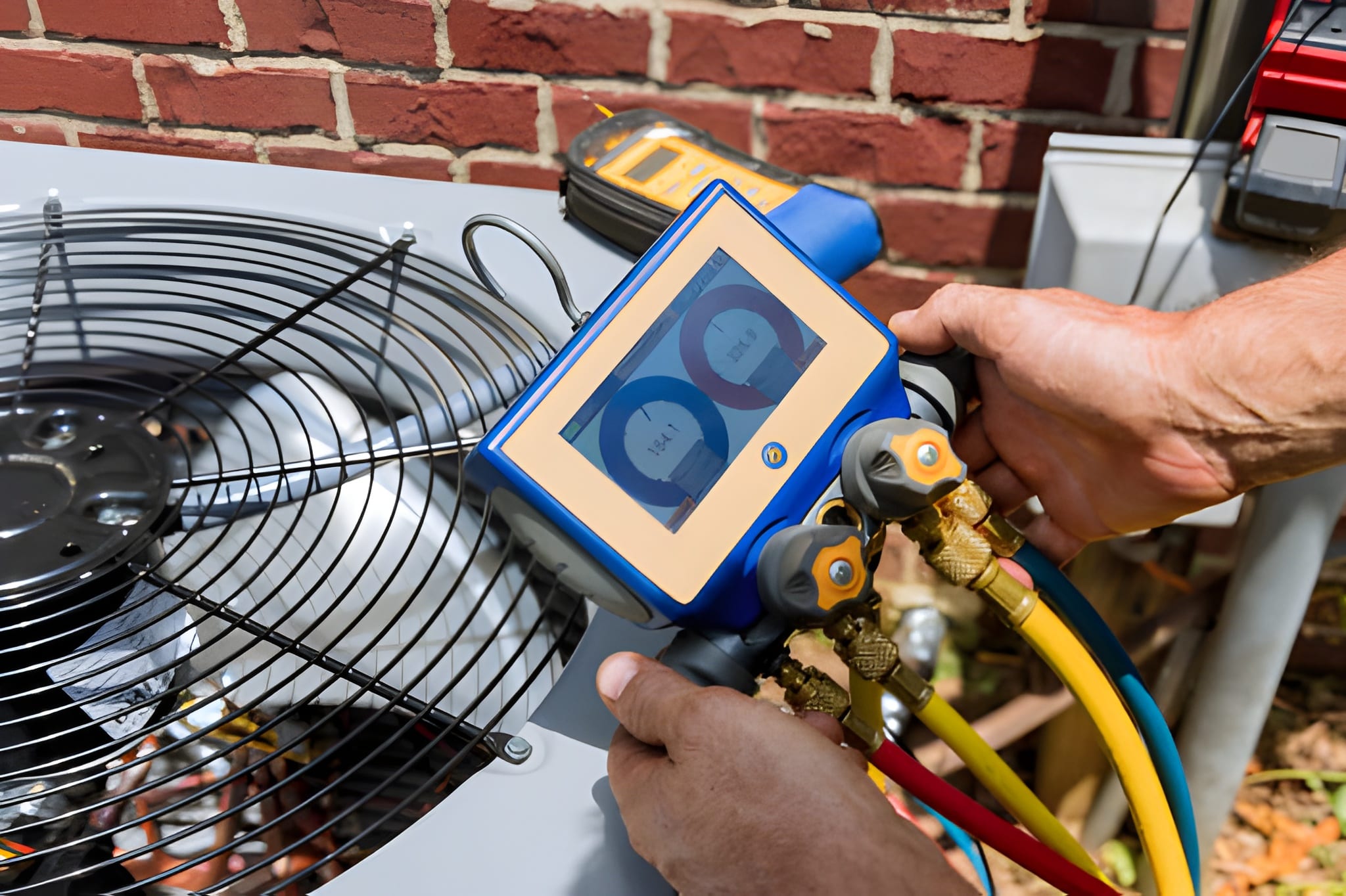
- Measure refrigerant pressures and temperatures to verify correct charge and cooling capacity.
- Record compressor amp draw and motor voltages to assess electrical load.
- Compare supply and return temperatures to quantify system cooling effectiveness.
- Refrigerant inspection
- Check for leaks and test refrigerant level. Technicians diagnose whether the system is undercharged, overcharged, or within manufacturer specs.
- For older systems using phased-out refrigerants, the tune up will identify compliance and repair implications.
- Coils and airflow
- Clean condenser and evaporator coils to restore heat transfer.
- Inspect and clean blower assembly, check belt condition if applicable, and measure static pressure.
- Replace or recommend filter replacement and inspect return vents for blockages.
- Electrical and controls
- Tighten all electrical connections, inspect contactors and relays, and test capacitors for adequate capacitance.
- Verify thermostat calibration and control sequencing. Test safety and limit switches.
- Drainage and condensate
- Clear condensate lines and check the condensate pump if installed.
- Inspect drain pan for corrosion or microbial growth that can clog drains or lead to odors.
- Outdoor unit and refrigerant lines
- Inspect fins and fan motor, straighten fins as needed, and check line set insulation.
- Look for signs of outdoor corrosion and seal or treat components where appropriate.
- System documentation
- Provide a performance summary, including measured temperatures, pressures, and any recommended repairs or efficiency improvements.
How tune ups prevent breakdowns and save money
A properly executed tune up restores efficiency and identifies small problems before they become major failures. Examples:
- Cleaning coils and restoring airflow can reduce run time and energy use, often by double-digit percentages compared with a neglected unit.
- Finding and repairing a refrigerant leak early prevents compressor burnout, which is one of the most costly component failures.
- Tightening electrical connections and replacing a weak capacitor stops hard starts and prevents motor damage.Because Portland can experience intense heat spells, those preventative fixes dramatically reduce the chance of an emergency service call on the hottest days.
When a tune up might lead to repair or replacement
A tune up may reveal:
- Minor repairs such as refrigerant line leaks, a clogged drain, or a failed capacitor that are economical to fix and restore reliable operation.
- Moderate issues like a failing compressor or significant coil corrosion that warrant discussion about repair cost versus remaining service life.
- End-of-life indicators: systems older than 10 to 15 years with repeated failures, poor SEER, or use of obsolete refrigerants are often better replaced than repeatedly repaired. The tune up provides the data needed to make that informed decision.
Seasonal timing and frequency for Portland homes
- Schedule your tune up in late spring before sustained cooling is needed. That timing avoids delays during peak heat and prepares the system after the wet, pollen-heavy spring.
- Annual tune ups are standard for most homeowners. For homes with heavy smoke exposure during wildfire season, high pollen loads, or larger systems with heavy use, consider twice-annual checks.
Long-term benefits beyond immediate fixes
- Improved energy efficiency and lower monthly cooling costs.
- Longer equipment life with fewer emergency repairs.
- More reliable comfort during Portland heat events.
- Better indoor air quality when filters and coils are clean and drains function properly.
- Documentation that helps with warranty compliance and future HVAC planning.
A seasonal Air Conditioning Tune Up in Portland, OR is more than routine maintenance. It is a prevention-first approach tailored to the region’s climate and air quality challenges that keeps systems efficient, extends equipment life, and avoids inconvenient breakdowns when you need cooling the most.